HP CM's Office Celebrates Diwali With Girls at Mashobra Ashram
Synopsis
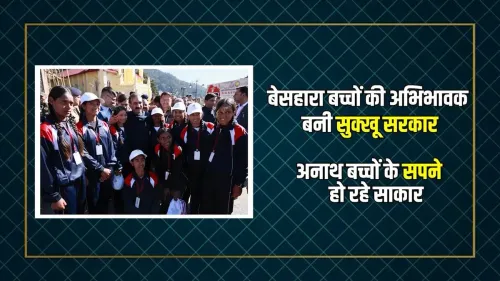
The Chief Minister's Office of Himachal Pradesh celebrated Diwali with girls at Balika Ashram, Mashobra on 8 November 2026, sharing lunch and festival blessings with children in state care under the Juvenile Justice Act framework.
Key Takeaways
The Chief Minister's Office of Himachal Pradesh celebrated Diwali with girls at Balika Ashram, Mashobra on 8 November 2026 .
Officials shared a midday meal and extended festival wishes to children described as 'Children of the State' — orphans and children in state care.
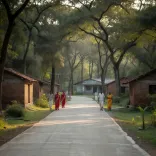
Balika Ashram, Mashobra is a government-run residential facility for girls in Shimla district , Himachal Pradesh.
Child-protection institutions in Himachal Pradesh operate under the framework of the Juvenile Justice (Care and Protection of Children) Act, 2015 .
Festival visits to child-care institutions are a recurring practice across Indian state governments aimed at promoting emotional inclusion among children under state guardianship.
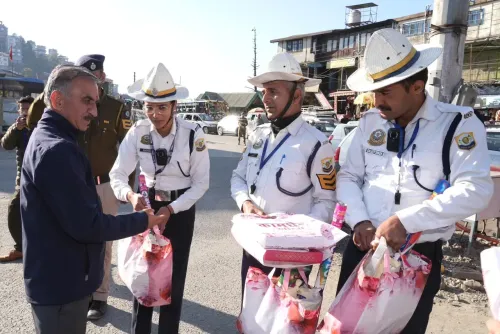
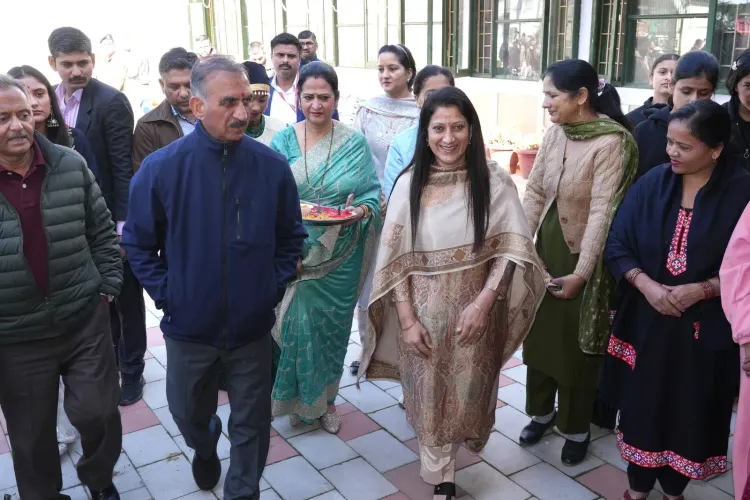
On a festive Sunday afternoon in Mashobra, Shimla, the state did not just send wishes — it showed up. The Chief Minister's Office of Himachal Pradesh shared on 8 November 2026 that officials celebrated Diwali alongside the resident girls at Balika Ashram, Mashobra, sharing a midday meal and the warmth of the festival with children who are wards of the state.
The post, shared in Hindi, reads: 'Aaj Balika Ashram, Mashobra mein 'Children of the State' ke saath Deepawali ki khushiyaan saajha kiin' — 'Today, Diwali joy was shared with the 'Children of the State' at Balika Ashram, Mashobra, and the auspicious wishes of the great festival were extended to them. During this time, lunch was also shared with the children. The time spent with the children was pleasant and heartfelt. May happiness always remain in the lives of these children and may they...'
Who Are the 'Children of the State' at Balika Ashram?
Balika Ashram, Mashobra is a government-run residential facility for girls in Shimla district, providing shelter, care, and protection to children under state guardianship. The phrase 'Children of the State' refers specifically to orphans and children in need of care and protection who are housed in state-supported institutions across Himachal Pradesh — children for whom the government itself stands in as guardian.
Their care falls under the framework of the Juvenile Justice (Care and Protection of Children) Act, 2015, which strengthened institutional care and rehabilitation provisions for vulnerable children across Indian states, including Himachal Pradesh. The Act mandates not only physical shelter but efforts to restore a sense of normalcy and belonging to children separated from family structures.
A Festival Tradition With a Welfare Purpose
The gesture — sharing a festival meal, extending personal greetings — is part of a broader pattern seen across Indian state governments: marking major festivals such as Diwali with direct visits to child-care institutions. These interactions go beyond symbolic optics. For children growing up without families, a shared lunch on a festival afternoon is a deliberate act of emotional inclusion, one that official policy alone cannot manufacture.
Such visits combine material support with an effort to signal to these children that the state's guardianship is not purely administrative. Himachal Pradesh, like several other states, uses festival occasions to maintain visible engagement with its child-protection network — keeping these institutions, and the children in them, in public view.
As the season of lights closes, the question worth asking is whether the warmth of a single afternoon translates into the sustained budget commitments and staffing that institutions like Balika Ashram need every other day of the year.
Point of View
An annual ritual like this also carries quiet political signalling: that the government sees and acknowledges its most invisible constituents. The real test, however, lies in whether such visible engagement precedes or follows genuine budgetary and institutional investment in child-protection infrastructure. Ceremonial warmth and structural commitment are not the same thing, and the gap between them is where welfare policy either succeeds or stalls.
NationPress
8 Nov 2026
Frequently Asked Questions
What is Balika Ashram Mashobra in Himachal Pradesh?
Balika Ashram, Mashobra is a government-run residential facility for girls in Shimla district, Himachal Pradesh, providing shelter and care to orphans and children in need of protection who are wards of the state.
Who are 'Children of the State' in Himachal Pradesh?
'Children of the State' refers to orphans and children in need of care and protection who live in state-supported institutions in Himachal Pradesh, with the government acting as their legal guardian.
What law governs care of orphaned children in Himachal Pradesh?
The Juvenile Justice (Care and Protection of Children) Act, 2015 governs the institutional care, rehabilitation, and protection of vulnerable children across Indian states, including Himachal Pradesh.
Why do Indian state governments visit child-care homes during Diwali?
Indian state governments visit child-care institutions during major festivals like Diwali to promote emotional inclusion, share meals and greetings, and maintain visible engagement with children growing up without family structures.
Where is Mashobra located in Himachal Pradesh?
Mashobra is a town in Shimla district, Himachal Pradesh, located a short distance from the state capital Shimla and known for its scenic forested surroundings.