HP CM's Office Halts at Rangrik for Tribal Cuisine Night
Synopsis
The Chief Minister's Office of Himachal Pradesh halted overnight at Rangrik, a remote tribal village, on October 14, 2026. Village women prepared traditional tribal dishes, prompting the CMO to pay tribute to the intergenerational transmission of indigenous culinary heritage.
Key Takeaways
The CMO of Himachal Pradesh posted from Rangrik village on October 14, 2026 , recording an overnight halt there.
Women of the village were preparing traditional tribal dishes described as prepared with deep warmth and affection.
The post framed indigenous culinary practice as a form of cultural heritage passed from generation to generation.
Rangrik is located in one of Himachal Pradesh's tribal belt areas, home to communities with distinct indigenous traditions.
The messaging continues HP's pattern of field outreach to tribal districts, spotlighting human detail over formal policy announcements.
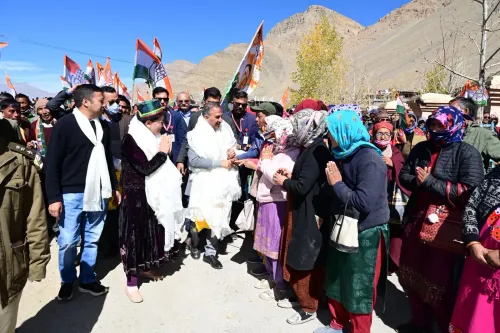
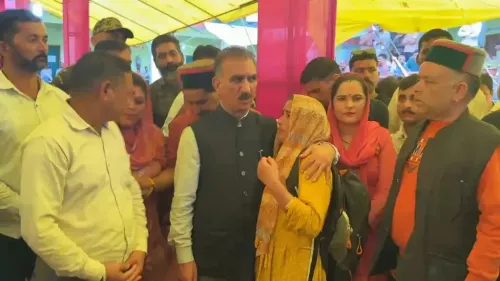
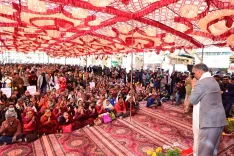
A remote tribal village in Himachal Pradesh became the overnight stop for the state's top leadership on Wednesday, October 14, 2026 — and the women of Rangrik made sure the occasion was anything but ordinary. The Chief Minister's Office of Himachal Pradesh shared the moment on X, describing how village women were preparing traditional tribal dishes with deep warmth and affection.
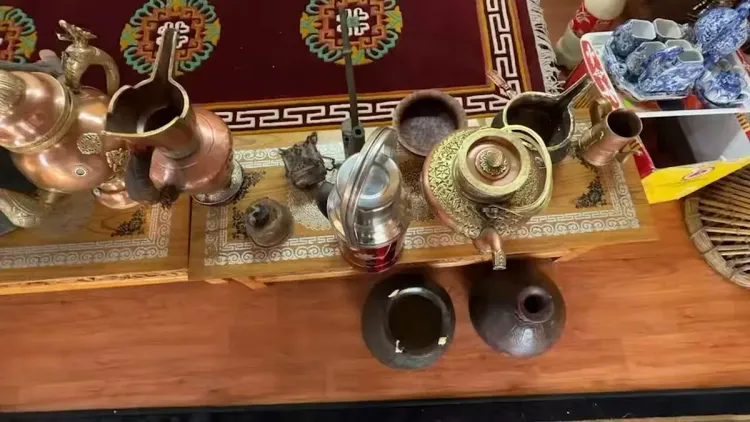
In a post written in Hindi, the CMO wrote: 'आज रात्रि विश्राम रंगरिक गाँव में है। हमारी माताएँ-बहनें बड़े आत्मीय भाव से अपने पारंपरिक जनजातीय व्यंजन तैयार कर रही हैं।' ('Tonight's rest halt is at Rangrik village. Our mothers and sisters are preparing their traditional tribal dishes with great warmth and affection.')
The post went on to pay tribute to the intergenerational craft at work: 'This is a traditional skill that has enriched our cultural heritage from generation to generation.' It closed with a salute — 'A heartfelt bow to your love and dedication.'
Rangrik's Place in Himachal's Tribal Heartland
Rangrik sits in one of Himachal Pradesh's designated tribal belts, where indigenous communities have maintained distinct culinary, linguistic, and artistic traditions for centuries. The state is home to multiple Scheduled Tribe groups, each carrying knowledge systems — from fermented grain recipes to hand-woven textiles — passed down through women in particular. That transfer of knowledge rarely makes headlines. This post puts it squarely in the frame.Women as Custodians of a Living Culture
The framing here is deliberate and worth noting. By centering the mothers and sisters of Rangrik — not officials, not schemes, not budgets — the CMO's messaging acknowledges that cultural continuity in tribal Himachal Pradesh runs through domestic and community practice, not government corridors. A bowl of traditional food prepared by hand is, in this telling, an act of heritage preservation as meaningful as any documented archive. Himachal Pradesh has maintained steady outreach to its tribal districts, often using field visits to spotlight indigenous knowledge without framing them as formal policy announcements. This overnight halt fits that pattern — low ceremony, high human detail.Point of View
Nudging the narrative of tribal identity away from deprivation toward living tradition. Whether this translates into substantive support for heritage documentation or cultural tourism in tribal districts remains the open question. For now, it is meaningful as a signal of whose labour and knowledge the state chooses to salute.
NationPress
14 Oct 2026
Frequently Asked Questions
Where is Rangrik village in Himachal Pradesh?
Rangrik is a remote village located in a tribal region of Himachal Pradesh, one of the state's designated Scheduled Tribe belt areas.
What did the HP CMO post about Rangrik village?
The HP CMO posted on October 14, 2026 about an overnight halt at Rangrik, describing how village women were warmly preparing traditional tribal dishes and paying tribute to their intergenerational cultural skill.
What traditional food is prepared in tribal villages of Himachal Pradesh?
Tribal communities in Himachal Pradesh prepare a range of indigenous dishes using local grains, dairy, and seasonal produce, with recipes and techniques passed down through generations of women within families.
Does the Himachal Pradesh government support tribal cultural heritage?
Himachal Pradesh maintains ongoing outreach to its tribal belts, with field visits and public messaging that acknowledge indigenous heritage, though specific new schemes were not announced in this particular post.
Why is intergenerational knowledge important in HP tribal communities?
In Himachal Pradesh's tribal areas, women are primary custodians of culinary, textile, and cultural knowledge. That transmission from mother to daughter preserves distinct identities that formal institutions rarely fully capture.