HP CM's Office Holds Public Hearing in Shimla, Orders On-Spot Relief
Synopsis
The Chief Minister's Office of Himachal Pradesh announced on 24 July 2026 that the CM met citizens from across the state in Shimla, heard their grievances, and issued on-the-spot directives to departmental officials, reaffirming a commitment to bridging the gap between government and people.
Key Takeaways
The Chief Minister of Himachal Pradesh held a public grievance meeting in Shimla on 24 July 2026 .
Citizens from multiple districts across the state attended to present their concerns directly.
The CM directed officials of concerned departments to ensure necessary solutions on the spot .
The CM stated his belief that 'there should be no distance between the government and the people.' Such public hearings follow a tradition of Janata Darbar -style governance practised across Indian states since the 1990s.
Whether the on-spot instructions are implemented within timelines will be the key measure of the session's impact.
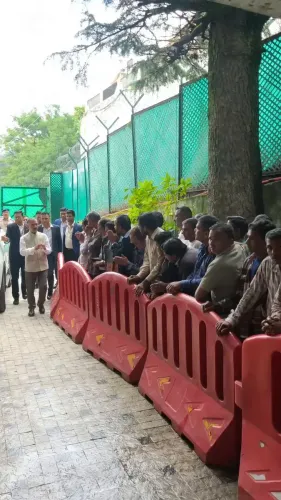
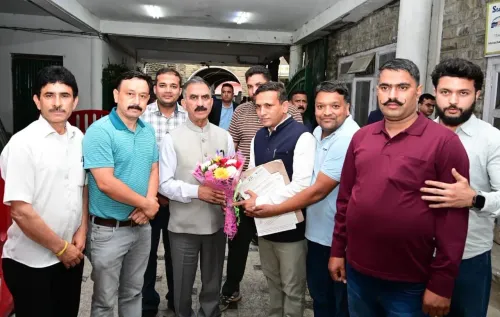
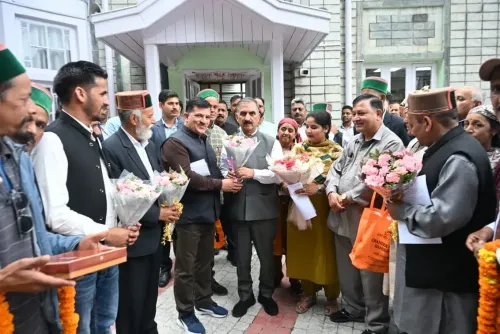
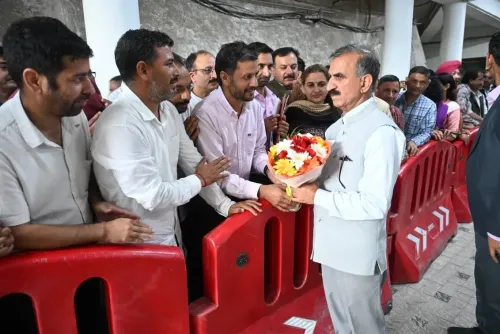
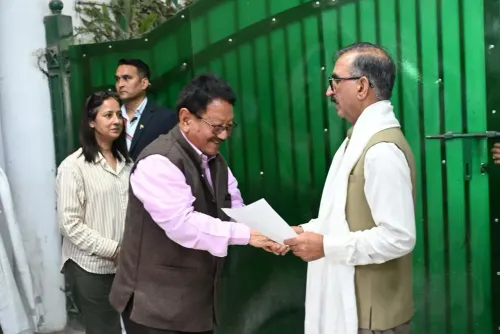
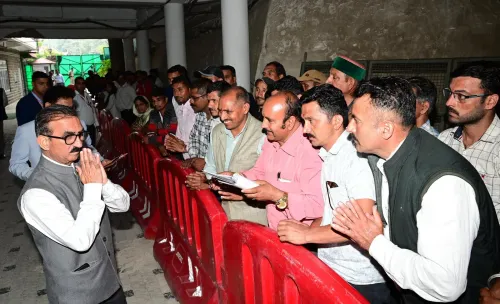
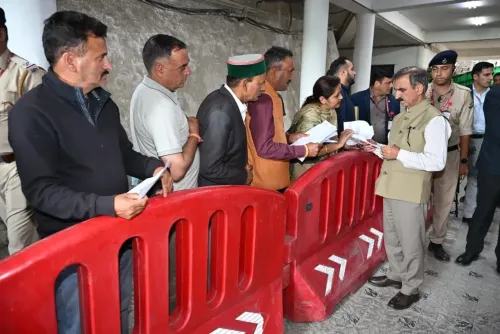
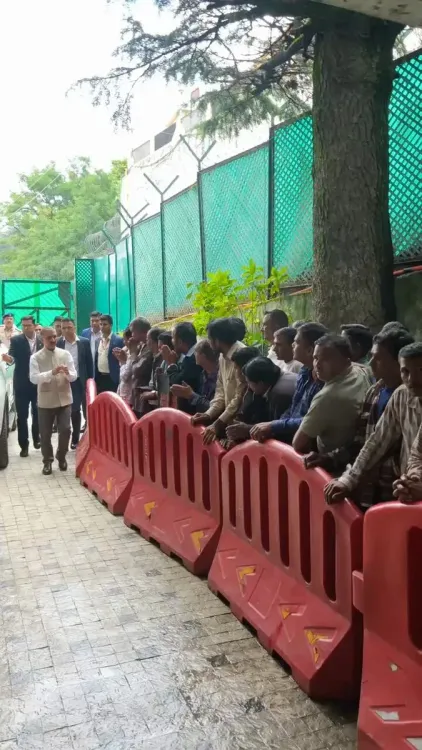
The Chief Minister's Office of Himachal Pradesh announced on Friday, 24 July 2026 that the Chief Minister met citizens who had travelled from various districts across the state to Shimla, listened to their grievances, and directed officials of the concerned departments to ensure necessary solutions on the spot.
Context
The post, shared by the official CMO Himachal Pradesh account, quoted the Chief Minister: 'aaj Shimla mein pradesh ke alag-alag zilon se aaye logon se bhent kar unki baatein sunin' — 'Today in Shimla, I met people who came from different districts of the state, listened to them, and directed the officials of the concerned departments to ensure necessary solutions on the spot.' The statement closed with the Chief Minister's stated conviction: 'There should be no distance between the government and the people. There should be such a bridge of dialogue between the two.'
The meeting was held at the state capital, where citizens from multiple districts of Himachal Pradesh gathered to present their concerns directly before the Chief Minister and senior departmental officers.
Policy Backdrop
Public grievance hearings of this kind — often called Janata Darbar or open public hearings — have been a feature of state-level governance in India since at least the 1990s. The format is designed to reduce bureaucratic layers between the executive and ordinary citizens, particularly those from remote or hill districts who may otherwise struggle to access state machinery.
Himachal Pradesh, with its dispersed hill geography and districts spread across difficult terrain, has historically relied on such direct outreach mechanisms to ensure that grievances from far-flung areas reach the highest levels of government without being filtered out by intermediary layers.
Stakeholders and Impact
The primary beneficiaries of such sessions are district residents — especially those from areas with limited administrative infrastructure — who gain direct access to decision-makers. By having departmental officers present at the same venue, the format aims to convert complaints into actionable directives within the same sitting, bypassing the delays typical of written petition processes.
State government officials, particularly those heading departments dealing with land, water, roads, welfare, and health, are placed under immediate accountability when the Chief Minister issues on-the-spot instructions in a public setting. This public visibility is itself a mechanism of administrative pressure.
What's Next
The critical question following any such public hearing is implementation: whether the instructions issued on 24 July 2026 translate into measurable outcomes within stated timelines. Observers of Himachal Pradesh governance will also watch whether similar outreach sessions are scheduled in other districts or conducted at the district level itself, extending the reach of the exercise beyond the state capital.
If institutionalised on a regular calendar, such meetings could form a visible pillar of the current administration's governance identity heading into future political cycles in the state.
Point of View
The optics of direct access carry real political weight. The emphasis on 'no distance between government and people' signals an attempt to anchor the administration's identity in responsiveness rather than policy output alone. The durability of this approach, however, will depend on whether departmental follow-through is tracked and made public, or whether the sessions remain episodic theatre.
NationPress
24 Jul 2026
Frequently Asked Questions
What happened at the HP CM's public meeting in Shimla on 24 July 2026?
The Chief Minister of Himachal Pradesh met citizens who had come from various districts to Shimla, listened to their grievances, and issued on-the-spot instructions to officials of the relevant departments to resolve their issues.
What is a Janata Darbar and does Himachal Pradesh hold them?
A Janata Darbar is a public grievance hearing where citizens can meet senior government officials or the Chief Minister directly. Indian states have held such sessions since at least the 1990s, and Himachal Pradesh uses similar open meeting formats at the state capital.
Why do people from districts travel to Shimla for the CM's public hearing?
Himachal Pradesh's hill geography means many districts have limited direct access to senior state officials. Travelling to Shimla for a public hearing gives citizens from remote areas a chance to present their concerns directly to the Chief Minister and get departmental action initiated on the same day.
What did the HP CM say about the relationship between government and citizens?
The Chief Minister stated that 'there should be no distance between the government and the people' and that a bridge of dialogue must exist between the two — framing direct public outreach as a core governance principle.
How will we know if the grievances raised at the Shimla meeting were resolved?
Implementation depends on whether the departments that received on-the-spot instructions follow through within stated timelines. Analysts and citizens will watch for public updates or follow-up meetings to assess whether the directives translated into actual relief.