Jaishankar Speaks at UNCITRAL 60th Anniversary Conference
Synopsis
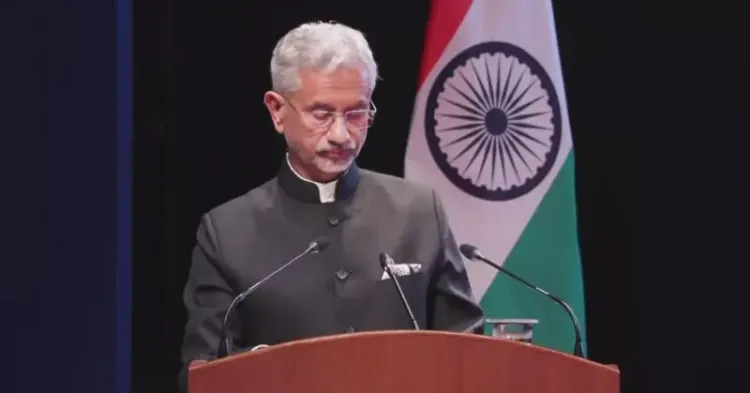
External Affairs Minister Dr. S. Jaishankar spoke at the inaugural of the International Conference commemorating the 60th anniversary of UNCITRAL on 25 July 2026, reflecting India's active engagement with multilateral trade law frameworks and its push for greater emerging-economy influence in global commercial rule-making.
Key Takeaways
Jaishankar addressed the inaugural session of the UNCITRAL 60th anniversary International Conference on 25 July 2026 .
UNCITRAL was established by the UN General Assembly in December 1966 to harmonise and unify international trade law.
India has adopted multiple UNCITRAL model laws — including those on arbitration and electronic commerce — into domestic legislation.
The conference comes as emerging economies push for greater voice in global commercial rule-making bodies.
India's participation at the ministerial level signals New Delhi 's strategic interest in shaping international trade law norms.
Watch for India's positions in upcoming UNCITRAL working group sessions and related domestic legislative activity.
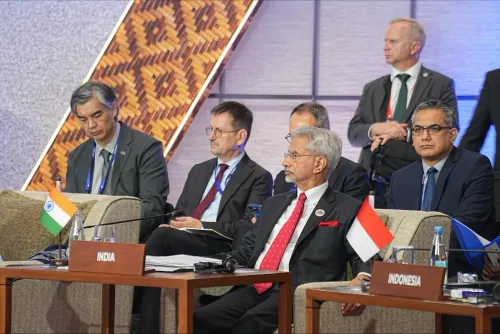
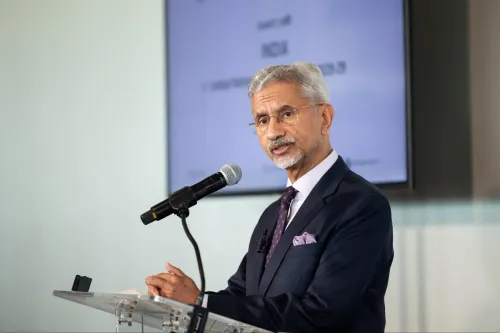
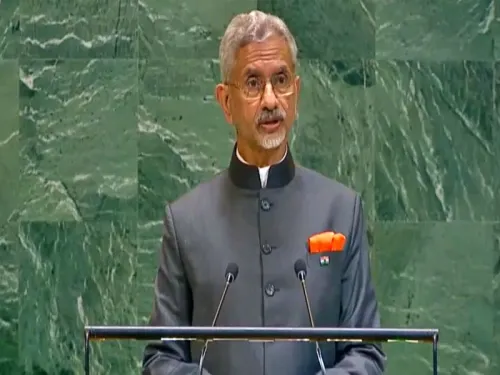
Union External Affairs Minister Dr. S. Jaishankar addressed the inaugural session of an International Conference marking the 60th anniversary of the United Nations Commission on International Trade Law (UNCITRAL) on Friday, 25 July 2026, underscoring India's engagement with multilateral frameworks that govern global commerce.
Context
UNCITRAL was established by the UN General Assembly through Resolution 2205 (XXI) in December 1966 as the principal legal body within the United Nations system for international trade law. Over six decades, it has promoted the harmonisation and unification of rules governing cross-border commerce, producing model laws on arbitration, electronic commerce, and insolvency that have shaped domestic legislation in dozens of countries.
The 60th anniversary conference brings together governments, legal practitioners, and international businesses to reflect on the body's legacy and chart its course in an evolving global trade environment. Dr. Jaishankar's presence at the inaugural signals the importance New Delhi attaches to multilateral rule-making bodies that set the architecture for international economic relations.
Policy Backdrop
India has a substantive history with UNCITRAL. The country has adopted several of its model laws — including frameworks on international commercial arbitration and electronic commerce — into domestic legislation, aligning Indian commercial law with globally accepted standards. These adoptions have been central to India's efforts to improve its ease-of-doing-business rankings and attract foreign investment.
Engagement with UNCITRAL also fits within India's broader multilateral diplomacy posture, where New Delhi has consistently sought to amplify the voice of emerging economies in bodies that craft global commercial norms. As trade flows increasingly shift toward the Global South, the rules governing them carry growing strategic weight for countries like India.
Stakeholders and Impact
The immediate audience for UNCITRAL's work includes international businesses, trade lawyers, arbitration practitioners, and national governments that rely on harmonised legal standards to reduce the cost and uncertainty of cross-border transactions. For Indian exporters and investors operating globally, a robust and equitable international trade law framework directly affects dispute resolution, contract enforcement, and digital commerce.
Emerging economies have increasingly sought a larger say in UNCITRAL working groups, where model laws and conventions are negotiated. India's high-level representation at the anniversary conference reinforces that ambition and signals continued active participation in shaping the next generation of international commercial rules.
What's Next
Attention will now turn to India's positions in upcoming UNCITRAL working group sessions, particularly those dealing with dispute resolution, digital trade, and insolvency. Any domestic legislative proposals that draw on new or revised UNCITRAL model laws will also be closely watched by legal and business communities. Dr. Jaishankar's inaugural address sets a tone of constructive engagement at a moment when the global trade law order is under pressure to adapt to new economic realities.
Point of View
UNCITRAL faces pressure to modernise its frameworks for digital trade and sovereign debt — areas where India's regulatory experience gives it credible standing. High-level ministerial presence at such a forum is a signal to partners that India intends to be a co-author, not just a consumer, of international commercial law. This engagement also feeds into the broader 'Viksit Bharat' narrative of India as a responsible, globally integrated economy.
NationPress
24 Jul 2026
Frequently Asked Questions
What is UNCITRAL and why does it matter to India?
UNCITRAL — the United Nations Commission on International Trade Law — is the UN's core body for international trade law, established in 1966. India has adopted several of its model laws on arbitration and e-commerce, making it central to Indian commercial and foreign investment policy.
Why did Jaishankar speak at the UNCITRAL conference?
As Union External Affairs Minister, Dr. S. Jaishankar represented India at the inaugural of the International Conference marking UNCITRAL's 60th anniversary on 25 July 2026, reflecting India's active multilateral trade law diplomacy.
When was UNCITRAL established?
UNCITRAL was established by the UN General Assembly through Resolution 2205 (XXI) in December 1966 to promote the harmonisation and unification of international trade law.
How has India engaged with UNCITRAL over the years?
India has participated in UNCITRAL sessions and incorporated its model laws on international commercial arbitration, electronic commerce, and insolvency into domestic legislation, aligning Indian law with global commercial standards.
What is the significance of the UNCITRAL 60th anniversary conference?
The 60th anniversary conference provides a platform to assess UNCITRAL's legacy and shape its future direction, particularly as emerging economies seek a larger role in setting global commercial rules for digital trade, dispute resolution, and insolvency.