Mahua Moitra Says Govt Wants Gen Z 'Taken Down'
Synopsis
TMC MP Mahua Moitra on 24 July 2026 accused the Government of India of wanting Gen Z youth 'taken down,' intensifying opposition criticism over the BJP-led government's record on youth rights, employment, and political expression. The remark follows years of parliamentary debate on campus protests, unemployment, and digital regulation.
Key Takeaways
TMC MP Mahua Moitra posted on 24 July 2026 accusing the Government of India of wanting Gen Z youth 'taken down.' The statement is consistent with Trinamool Congress and broader opposition criticism of the BJP-led central government on youth and civil liberties issues.
Opposition MPs have raised youth unemployment and campus protest crackdowns in Parliament since at least 2018 , citing Periodic Labour Force Survey data.
Proposed social media and data protection regulations have drawn additional scrutiny from civil society groups concerned about Gen Z's digital freedoms.
No specific triggering event for the post has been confirmed, and no formal government response has been recorded.
Upcoming parliamentary sessions and the 2026–27 budget cycle are expected to be key arenas for these debates.
TMC MP Mahua Moitra on Friday, 24 July 2026, accused the Government of India of actively working against the country's youth, particularly Gen Z, claiming the administration wants them 'taken down.' The sharp remark, posted on X, adds to a sustained pattern of opposition criticism targeting the BJP-led central government on its treatment of young citizens.
Context
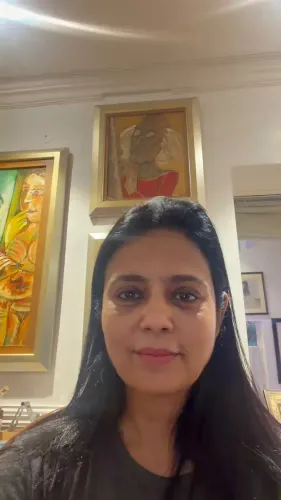
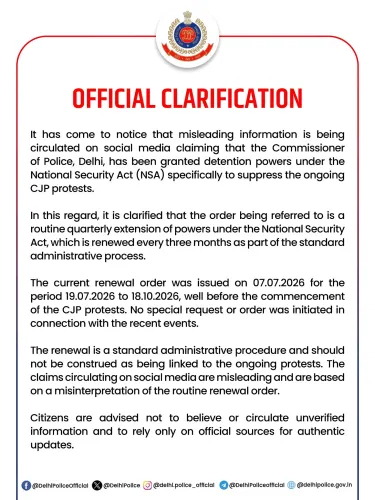
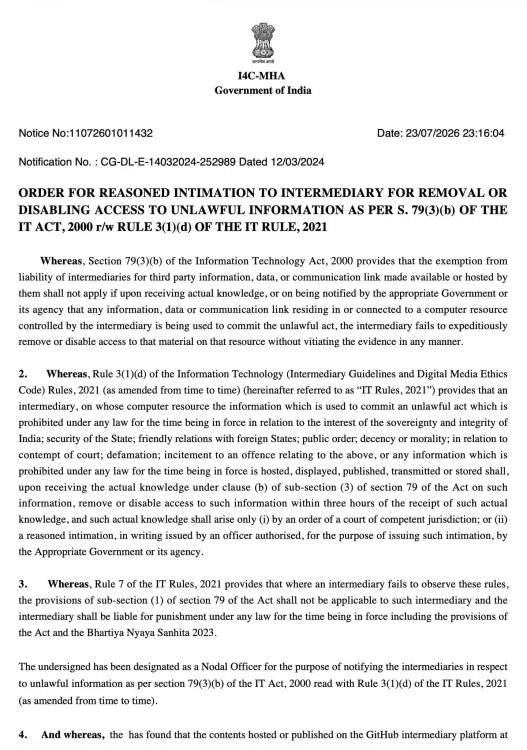
Moitra's post states plainly: 'The government of India does not also like youth like GenZ and want them taken down.' While no specific triggering event has been confirmed, the remark fits into a broader charge by Trinamool Congress and other opposition parties that the central government has consistently undermined youth political expression and economic opportunity. The post was accompanied by two images, the contents of which have not been independently detailed.
Moitra, the Lok Sabha MP from Krishnanagar, West Bengal, has a record of raising civil liberties and youth-related concerns in Parliament, making the statement consistent with her established political voice.
Policy Backdrop
Opposition MPs, including those from TMC, have repeatedly flagged the central government's handling of campus protests and student demonstrators during the 2019–2020 CAA-NRC agitations as evidence of hostility toward young dissenters. Parliamentary debates since 2018 have also centred on rising youth unemployment figures drawn from Periodic Labour Force Surveys, with opposition parties arguing these numbers reflect deliberate policy neglect.
More recently, proposed regulations around digital platforms and data protection have drawn criticism from civil society and opposition legislators who argue such frameworks could disproportionately restrict the online spaces where Gen Z organises and expresses dissent. No formal government response to Moitra's specific post has been recorded.
Stakeholders and Impact
Gen Z Indians — broadly those born between the late 1990s and early 2010s — represent a significant and growing share of the electorate and the labour force. Concerns about job creation, campus freedoms, and digital rights are central to this demographic's political engagement. Opposition parties have increasingly framed these issues as a litmus test for the ruling dispensation's democratic credentials.
Regional parties such as TMC have positioned themselves as defenders of youth political participation, particularly in states like West Bengal where student politics remains highly active. Moitra's statement is likely to resonate within that constituency and may be amplified in upcoming parliamentary sessions.
What's Next
Attention will now turn to Parliament's upcoming sessions, where debates on proposed social media regulation and data protection rules are expected to provide a formal arena for these arguments. The 2026–27 Union Budget cycle's announcements on youth employment and skilling schemes will also be closely watched as a measure of the government's stated commitment to Gen Z. Whether the ruling party responds to Moitra's charge — in Parliament or through official channels — will shape how the exchange develops in the coming days.
Point of View
Designed to mobilise a demographic that is both digitally vocal and electorally consequential. For TMC, positioning itself as the defender of youth political space serves a dual purpose: it pressures the BJP on a terrain where the ruling party is visibly vulnerable, and it builds a national profile beyond West Bengal. The charge lands at a moment when debates over digital regulation and campus freedoms are already live in Parliament, giving it policy traction beyond social media. Whether the government engages or ignores the provocation will itself become part of the political narrative heading into the next legislative session.
NationPress
23 Oct 2026
Frequently Asked Questions
What did Mahua Moitra say about Gen Z and the government?
On 24 July 2026 , Mahua Moitra posted on X that 'the government of India does not also like youth like GenZ and want them taken down,' directly accusing the BJP-led central government of hostility toward young citizens.
Why is Mahua Moitra criticising the government over youth issues?
Mahua Moitra and TMC have a long record of raising concerns about youth unemployment, campus protest crackdowns, and digital restrictions in Parliament, framing these as evidence that the central government suppresses youth political participation.
What is the government's response to Mahua Moitra's Gen Z remark?
No formal response from the Government of India to Moitra's 24 July 2026 post has been recorded at the time of publication.
What is Gen Z's political significance in India?
Gen Z Indians — broadly those born between the late 1990s and early 2010s — form a large and growing share of both the electorate and the labour force, making them a key constituency on issues like employment, digital rights, and campus freedoms.
What policy debates are linked to Mahua Moitra's statement on youth?
The statement connects to ongoing parliamentary debates on youth unemployment data from Periodic Labour Force Surveys, the handling of CAA-NRC campus protests in 2019–2020, and proposed social media and data protection regulations that critics say could restrict Gen Z's online expression.