Karnataka electoral roll revision: 58.54 lakh voters flagged as ASDDO, 71% digitised
Synopsis
Karnataka's Special Intensive Revision has flagged over 58.54 lakh voters — nearly 10.5% of the state's 5.54-crore electorate — as absent, shifted, dead, duplicate, or otherwise invalid. With 71% of forms already digitised and a hard deadline of 8 August, this is the most data-intensive voter roll cleansing the state has undertaken in recent memory.
Key Takeaways
58,54,874 voters in Karnataka have been marked under the ASDDO category during the ongoing Special Intensive Revision (SIR) of electoral rolls.
Karnataka's total electorate stands at 5,54,32,314 as of 16 June 2026 .
3,95,79,617 enumeration forms — 71.40% of the total — have been digitised so far.
34,76,017 electors ( 6.27% ) were found to have permanently shifted; 12,17,592 ( 2.20% ) were identified as deceased.
The house-to-house enumeration drive runs until 8 August 2026 , conducted in line with Election Commission of India guidelines.
6,18,924 electors ( 1.12% ) have submitted enumeration forms online.
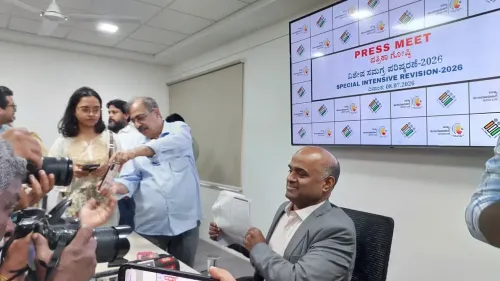
More than 58.54 lakh voters in Karnataka have been categorised under the ASDDO (Absent, Shifted, Dead, Duplicate and Others) classification as part of the ongoing Special Intensive Revision (SIR) of electoral rolls, according to data released by the Office of the Chief Electoral Officer (CEO), Karnataka on 25 July 2026. The figures, current as of 16 June 2026, point to a large-scale cleansing of the state's voter database ahead of future elections.
Scale of the Revision Exercise
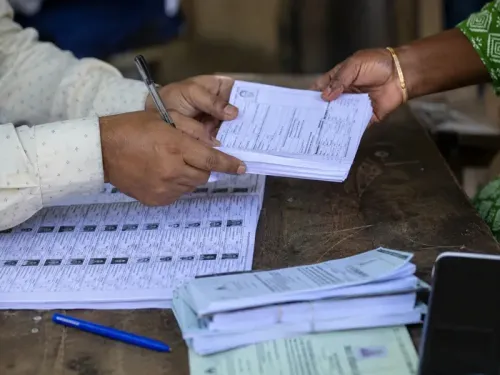
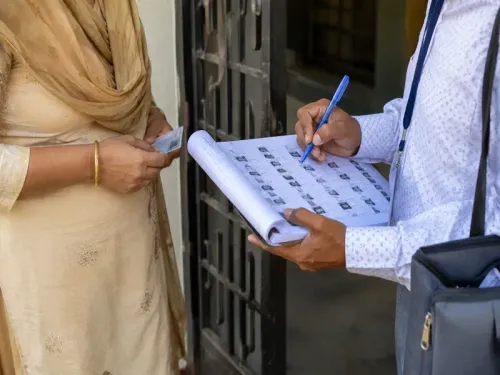
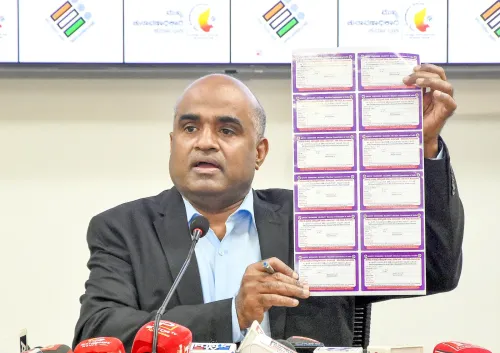
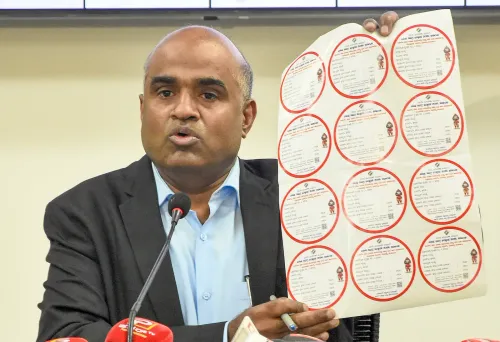
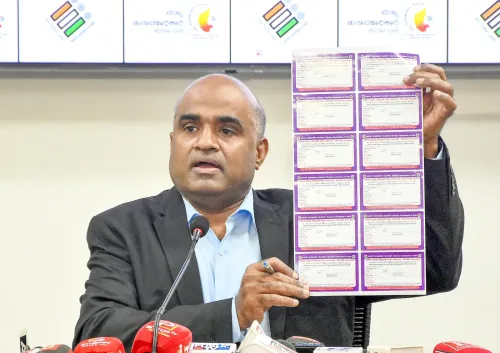
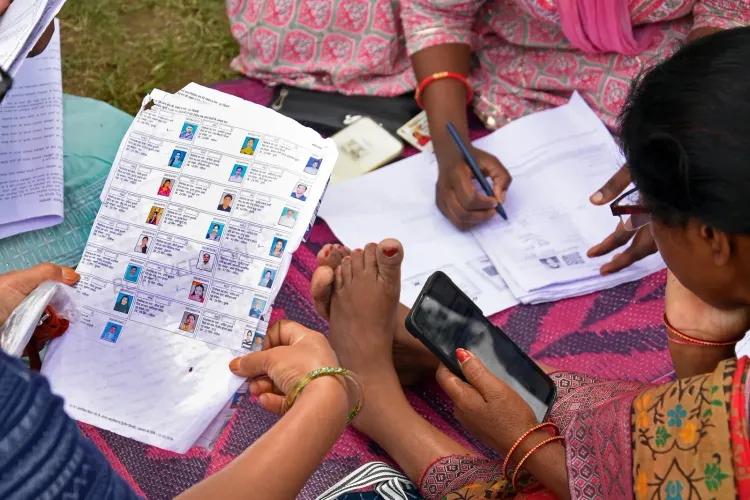
As of 16 June 2026, Karnataka's electoral rolls listed a total of 5,54,32,314 electors. Enumeration forms (EFs) have been fully printed and distributed to Booth Level Officers (BLOs) across all constituencies in the state. The house-to-house enumeration and digitisation drive, which commenced on 30 June 2026, is scheduled to run until 8 August 2026.
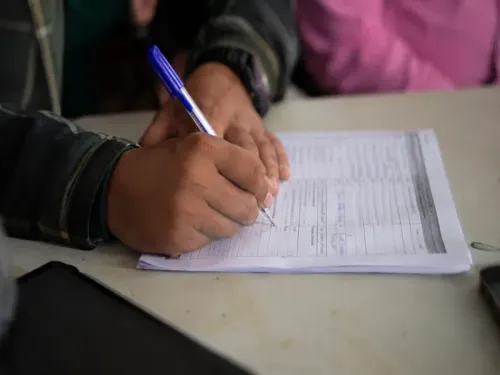
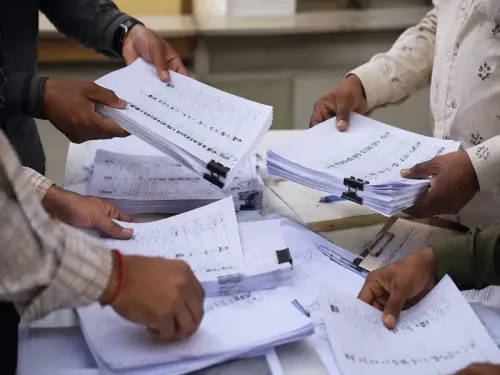
Of the 5.54 crore forms distributed, 3,95,79,617 — accounting for 71.40 per cent of the total electorate — have already been digitised, placing the exercise well into its final stretch.
Breakdown of ASDDO Categories
Of the 58,54,874 electors flagged under ASDDO, the CEO's office provided a detailed category-wise split. The largest segment comprises voters who have permanently shifted from their registered addresses — 34,76,017 electors, or 6.27 per cent of the total electorate.
12,17,592 electors (2.20 per cent) were identified as deceased. A further 3,82,083 electors (0.69 per cent) were found to be already enrolled elsewhere, while 7,62,867 voters (1.38 per cent) were deemed untraceable or absent during the field verification. An additional 16,315 electors were placed under the residual 'Others' category.
Online Participation and Digitisation Progress
The revision exercise has also recorded a modest but notable uptake in digital self-submission: 6,18,924 electors, representing 1.12 per cent of the total, have submitted their enumeration forms online. This comes amid a broader push by election authorities to integrate digital channels into the voter verification process.
With nearly three-fourths of all forms already digitised, officials are expected to intensify field operations to meet the 8 August 2026 deadline. BLOs continue door-to-door outreach to cover the remaining households.
Why This Revision Matters
The SIR is being conducted in accordance with the guidelines of the Election Commission of India (ECI) and is aimed at ensuring the accuracy and integrity of Karnataka's voter database. Bloated electoral rolls — carrying names of deceased, migrated, or duplicate voters — can distort representation and create scope for electoral malpractice. Notably, Karnataka's electorate of over 5.54 crore makes it one of India's largest state-level voter bases, amplifying the stakes of any inaccuracy.
The CEO's office has urged all voters to cooperate with BLOs during the verification process. As the revision enters its final phase, the completeness of digitisation and the resolution of ASDDO cases will determine the quality of the updated rolls ahead of the next electoral cycle.
Point of View
Not a deletion, and the process for final removal must be transparent and grievance-friendly to avoid disenfranchising legitimate voters who were simply unavailable during field visits. With the 8 August deadline approaching and 28.6% of forms still to be digitised, the pace of resolution will test the CEO office's operational capacity. The ECI's push for digitisation is welcome, but the 1.12% online submission rate suggests digital uptake among Karnataka's voters remains thin — a gap that future revisions will need to close.
NationPress
24 Jul 2026
Frequently Asked Questions
What is the ASDDO category in Karnataka's electoral roll revision?
ASDDO stands for Absent, Shifted, Dead, Duplicate and Others — a classification used during the Special Intensive Revision to flag voters whose details could not be verified during field enumeration. In Karnataka's current SIR exercise, 58,54,874 voters have been placed in this category, pending further review before any final deletion from the rolls.
What is the Special Intensive Revision (SIR) of electoral rolls in Karnataka?
The SIR is a comprehensive door-to-door voter verification and digitisation drive mandated by the Election Commission of India. In Karnataka, it began on 30 June 2026 and runs until 8 August 2026, covering all 5.54 crore registered electors through Booth Level Officers who collect and digitise enumeration forms.
How many Karnataka voters have been digitised so far?
As of the latest data, 3,95,79,617 enumeration forms — representing 71.40% of Karnataka's total electorate of 5,54,32,314 — have been digitised. The remaining forms are expected to be processed before the 8 August 2026 deadline.
Will voters marked as ASDDO be automatically removed from the electoral rolls?
Not immediately. ASDDO is a preliminary flag applied during field verification. Officials will review each case before any final decision on deletion is made, in accordance with Election Commission of India guidelines. Voters who believe they have been incorrectly flagged are encouraged to cooperate with local BLOs during the ongoing revision.
Why is Karnataka conducting this electoral roll revision?
The revision aims to improve the accuracy and integrity of Karnataka's voter database by removing entries for deceased, migrated, duplicate, or untraceable individuals. A clean electoral roll reduces the risk of electoral malpractice and ensures that representation data reflects the actual resident population ahead of future state and national elections.