Punjab suspends DSP Satbir Singh Bains over Barnala sanitation worker lathi-charge
Synopsis
A DSP-rank officer in Punjab has been suspended after a statutory national commission intervened over an alleged lathi-charge on sanitation workers in Barnala. The NCSK's suo motu action — demanding a DGP report and scrutiny of senior officers within seven days — signals rare institutional accountability for police conduct against one of India's most vulnerable workforces.
Key Takeaways
Punjab government suspended DSP Satbir Singh Bains over alleged use of force against protesting sanitation workers in Barnala .
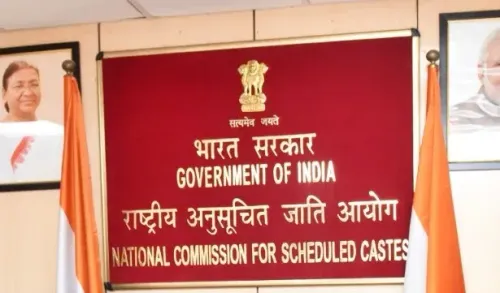
The National Commission for Safai Karamcharis (NCSK) took suo motu cognisance of the incident on 24 July .
NCSK Vice-Chairperson Hardeep Singh Gill directed the Punjab Chief Secretary to submit a factual report within seven days .
The commission called for a detailed report from the Director General of Police (DGP) and examination of senior officers involved.
Gill stated that if any official is found guilty, strict action in accordance with the law must follow.
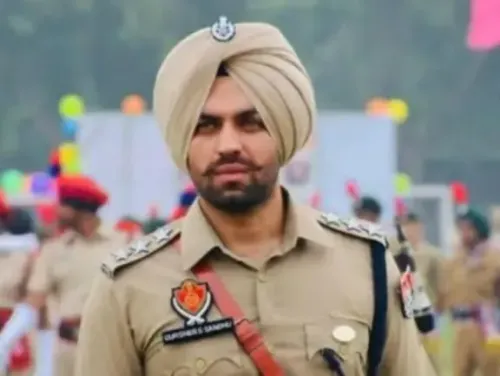
The Punjab government has suspended Deputy Superintendent of Police (DSP) Satbir Singh Bains following allegations of excessive force against protesting sanitation workers in Barnala, in what marks a swift administrative response after a statutory commission intervened. The action was taken after the National Commission for Safai Karamcharis (NCSK) took suo motu cognisance of the incident on 24 July and directed the state to submit a factual report within seven days.
How the Commission Stepped In
NCSK Vice-Chairperson Hardeep Singh Gill wrote to the Punjab Chief Secretary, citing media reports that raised serious allegations of police action against the protesting workers. Gill underscored that protecting the rights, dignity, and security of Safai Karamcharis is a constitutional obligation of the state — not a discretionary measure — and that any alleged violation must be examined with the highest degree of seriousness.
The commission directed the Chief Secretary to ensure a fair and transparent inquiry, obtain a detailed report from the Director General of Police (DGP), and submit findings within the stipulated timeframe. It also called for a specific examination of the conduct of senior police officers involved in the incident.
What the Commission Said on Accountability
Gill stated that such disputes should be resolved through dialogue and a humane approach rather than the use of force. He made clear that if any official is found culpable during the inquiry, strict action must follow in accordance with the law. The NCSK, he affirmed, would closely monitor the matter to ensure accountability, transparency, and justice for the affected workers.
Background: Barnala Protest and Police Action
The incident involves sanitation workers — a community that falls under the constitutional mandate of the NCSK — who were allegedly lathi-charged while staging a protest in Barnala, a district in central Punjab. Sanitation workers across India have repeatedly raised concerns over irregular pay, lack of safety equipment, and contractualisation of permanent posts. This is not the first time a Punjab protest by this workforce has drawn scrutiny; the NCSK's suo motu intervention signals the commission is taking a more proactive posture on field incidents. Notably, the suspension of a DSP-rank officer is a significant escalation in accountability — such actions are relatively rare and typically follow sustained political or institutional pressure.
What Happens Next
The Punjab government must submit its factual report to the NCSK within seven days of the directive. The DGP's detailed account of the incident and the role of senior officers will form the basis of the inquiry. The NCSK has indicated it will not treat this as a closed matter once the report is received, but will continue monitoring outcomes. Whether the suspended DSP faces further departmental or criminal proceedings will depend on the findings of that inquiry.
Point of View
But the real test is what follows. Suo motu interventions by statutory commissions frequently generate reports that gather dust — accountability depends on whether the Punjab government's seven-day submission leads to substantive findings or becomes a paperwork exercise. Sanitation workers, predominantly from Scheduled Caste communities, are among the most structurally vulnerable in India's labour force; the pattern of protests across Punjab over wages and working conditions is not new. What is new is the NCSK signalling it will monitor outcomes, not just receive reports. Whether that monitoring has teeth will define whether this case sets a precedent or joins a long line of incidents that ended with a transfer rather than accountability.
NationPress
24 Jul 2026
Frequently Asked Questions
Why was DSP Satbir Singh Bains suspended in Punjab?
DSP Satbir Singh Bains was suspended by the Punjab government following allegations that police used force against sanitation workers who were protesting in Barnala. The action came after the National Commission for Safai Karamcharis took suo motu cognisance of the incident and directed the state to act.
What is the NCSK and why did it intervene?
The National Commission for Safai Karamcharis (NCSK) is a statutory body mandated to protect the rights and dignity of sanitation workers. It intervened after media reports alleged that police had lathi-charged protesting Safai Karamcharis in Barnala, with Vice-Chairperson Hardeep Singh Gill noting this was a constitutional responsibility of the state.
What has the NCSK directed the Punjab government to do?
The NCSK directed the Punjab Chief Secretary to ensure a fair and transparent inquiry, obtain a detailed report from the Director General of Police (DGP), examine the role of senior officers involved, and submit all findings to the commission within seven days.
What happens if officials are found guilty in the inquiry?
NCSK Vice-Chairperson Hardeep Singh Gill stated that if any official is found guilty during the inquiry, strict action must be taken in accordance with the law. The commission has said it will closely monitor the matter to ensure accountability and justice for the affected workers.
Who are Safai Karamcharis and why are their rights significant?
Safai Karamcharis are sanitation workers — a community predominantly from marginalised Scheduled Caste backgrounds — whose rights are protected under a dedicated national commission. The NCSK's mandate recognises that this workforce is constitutionally entitled to dignity, safety, and fair treatment, making any alleged police action against them a matter of statutory concern.