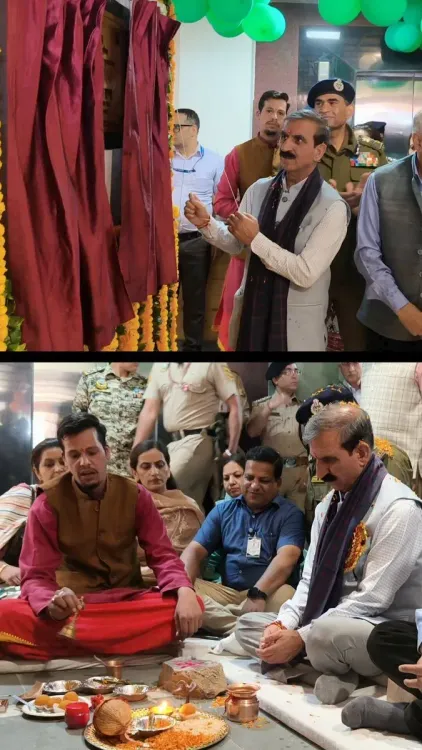
CM Sukhu launches HP's first govt rehab centre for women in Mashobra
Synopsis
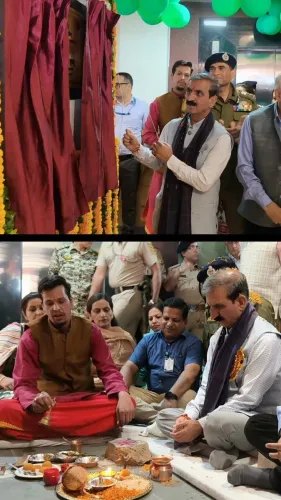
Chief Minister Sukhvinder Singh Sukhu has inaugurated Himachal Pradesh's first government-run rehabilitation centre for women in Mashobra, Shimla, offering treatment and counselling to those affected by chitta addiction, while vowing continued action against drug traffickers.
Key Takeaways
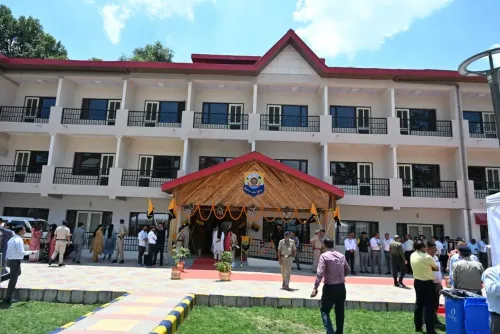
Himachal Pradesh's first government rehabilitation centre exclusively for women has been launched in Mashobra, Shimla district .
The centre offers treatment, counselling, and rehabilitation services aimed at restoring dignity and enabling reintegration into mainstream society.
CM Sukhvinder Singh Sukhu announced the facility on 9 June 2026 via social media, framing it as part of a twin-track approach.
The state government has simultaneously pledged an unrelenting campaign to arrest and prosecute chitta traffickers .
Himachal Pradesh has faced a growing chitta (heroin/synthetic opioid) epidemic mirroring patterns seen in neighbouring Punjab.
The Mashobra centre is expected to serve as a template for district-level facilities across the state.
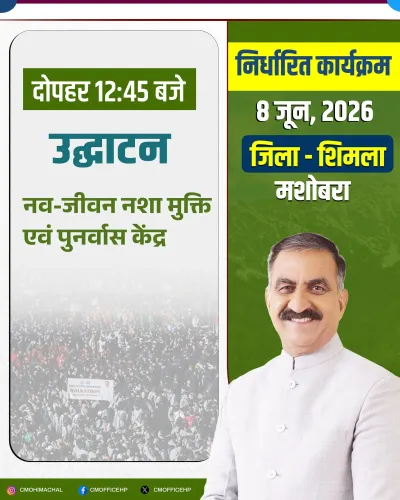
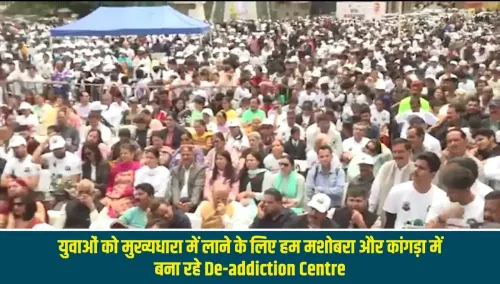
Himachal Pradesh Chief Minister Sukhvinder Singh Sukhu on Tuesday, 9 June 2026, announced the launch of the state's first government-run drug rehabilitation centre in Mashobra, Shimla district, dedicated exclusively to women trapped in chitta addiction. The centre is designed to offer treatment, counselling, and rehabilitation services aimed at restoring dignity and enabling a fresh start for affected women.
Context
In his post, CM Sukhu stated: 'Mashobra mein pradesh ka pehla sarkari punarvas kendra shuru kiya gaya hai' ['The state's first government rehabilitation centre has been launched in Mashobra']. He underlined that the facility will give women caught in the grip of chitta 'an opportunity for a new beginning with self-respect through treatment, counselling, and rehabilitation.'
The Chief Minister also stressed a twin-track approach — reintegrating addicted individuals into mainstream society while simultaneously maintaining a firm crackdown on traffickers. 'The campaign to put chitta traffickers behind bars will continue with full resolve and commitment,' he wrote.
Policy Backdrop
Himachal Pradesh has mirrored neighbouring Punjab in confronting a growing chitta — a street name for heroin and synthetic opioids — epidemic that spread through cross-border supply routes into rural and semi-urban communities. Successive state administrations have paired de-addiction infrastructure expansion with intensified policing of trafficking networks.
The current Indian National Congress administration, which came to power in December 2022, has prioritised women-specific facilities after data indicated rising female addiction rates. The Mashobra centre marks the first time the state government has operationalised a dedicated rehabilitation unit for women rather than relying on general or private facilities.
Stakeholders and Impact
The primary beneficiaries are women from Himachal Pradesh struggling with opioid dependency, who previously had limited access to gender-sensitive, government-funded care. Families of addicted individuals, healthcare workers, and civil society groups working on substance abuse are also key stakeholders watching the centre's rollout.
On the enforcement side, drug traffickers — particularly those operating chitta supply chains from border areas — face what CM Sukhu described as an unrelenting campaign of arrests and prosecutions. The dual emphasis on care and deterrence reflects a model that public health advocates have long recommended for tackling synthetic opioid crises.
What's Next
Attention will now turn to whether the state government rolls out additional district-level rehabilitation centres to extend coverage beyond Shimla district. Legislators and civil society groups are also watching for any proposed amendments that would stiffen penalties for chitta smuggling and trafficking under existing narcotic laws.
The Mashobra centre's performance — in terms of patient intake, recovery outcomes, and community outreach — will likely shape the template for future facilities across the state's twelve districts.
Point of View
CM Sukhu is calibrating a message that appeals both to welfare-oriented voters and to those demanding law-and-order action. The move also positions the Congress government to draw a contrast with earlier administrations that relied heavily on private or general-purpose de-addiction facilities. Whether the state can sustain this dual approach — adequate funding for rehabilitation alongside consistent enforcement — will determine its long-term credibility on the chitta issue.
NationPress
19 Sept 2026
Frequently Asked Questions
What is the Mashobra drug rehabilitation centre?
It is Himachal Pradesh's first government-run rehabilitation centre dedicated to women affected by chitta addiction, located in Mashobra, Shimla district, offering treatment, counselling, and reintegration support.
What is chitta and why is it a problem in Himachal Pradesh?
Chitta is a street name for heroin and synthetic opioids that has spread through cross-border supply routes into Himachal Pradesh, affecting rural and semi-urban communities and increasingly women.
Who launched the Mashobra rehabilitation centre?
Chief Minister Sukhvinder Singh Sukhu of the Indian National Congress announced the launch on 9 June 2026.
What action is the Himachal Pradesh government taking against drug traffickers?
CM Sukhu has stated that the campaign to arrest chitta traffickers and put them behind bars will continue with full resolve and commitment alongside the rehabilitation effort.
Will more such centres open in Himachal Pradesh?
The government has not yet confirmed a specific timeline, but the Mashobra centre is expected to serve as a model for potential district-level facilities across the state's twelve districts.