Punjab Congress protests sugar price surge of 40%, blames BJP policies
Synopsis
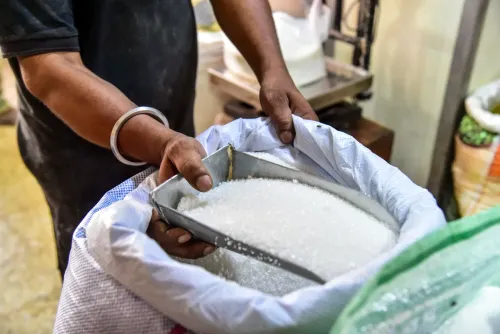
Punjab Congress took its sugar-price anger to the streets of Chandigarh — literally serving sugarless tea to make the point. With retail prices reportedly hitting ₹67 per kg across eight states and a 40% year-on-year jump, Congress chief Warring is framing the crisis as a direct consequence of the BJP's flip-flopping on sugar exports and the E20 ethanol-blending mandate.
Key Takeaways
Hundreds of Punjab Congress workers protested in Chandigarh on 26 August over rising sugar prices.
Sugar retail prices have risen by approximately 40% year-on-year, reaching up to 50% in some states, according to Warring .
Prices have climbed from ₹48 to ₹67 per kg in three months; jaggery rose from ₹50 to ₹65 per kg .
Sugar prices have crossed ₹65 per kg in eight states .
Congress blamed the Centre's sugar export policy and the E20 ethanol-blending mandate for diverting supply and driving up costs.
Warring questioned why petrol prices have not fallen despite Union Minister Nitin Gadkari's 2018 projections on ethanol-blending savings.
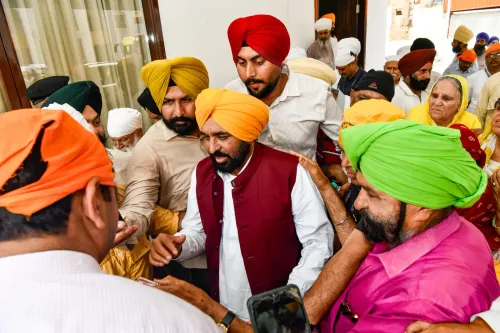
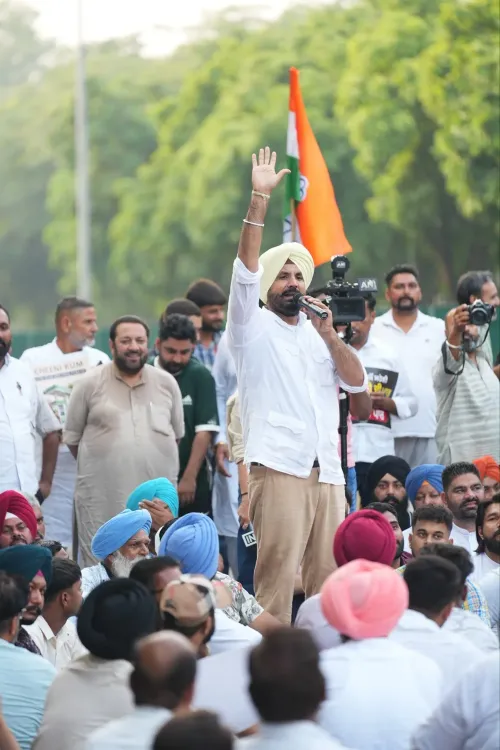
Hundreds of Punjab Congress workers staged a protest in Chandigarh on Wednesday, 26 August against the sharp rise in sugar prices across the country, holding the Bharatiya Janata Party (BJP)-led Central government responsible for the crisis. The demonstration was led by Punjab Congress President Amarinder Singh Raja Warring.
The Symbolic Protest
In a pointed act of symbolism, protesters served tea without sugar, sending the message that the commodity had become unaffordable for ordinary households. The demonstration drew hundreds of party workers and drew attention to what the Congress termed a failure of the Centre's food and agricultural policies.
Key Numbers Behind the Outrage
Citing data, Warring said retail and wholesale sugar prices had risen by approximately 40% compared to the corresponding period last year, with increases reaching as high as 50% in some states. Sugar prices have reportedly crossed ₹65 per kg in eight states. Over the past three months alone, he said, prices had climbed from ₹48 to ₹67 per kg, while jaggery prices had moved from ₹50 to ₹65 per kg.
What the Congress Blames
Warring attributed the price surge to what he described as contradictory and flawed government policies on sugar exports and ethanol production. 'First exports, then diversion for ethanol and now imports to control inflation,' he said, adding, 'what kind of policy is this?' He questioned why repeated government intervention was necessary to stabilise prices if the Centre's economic and agricultural policies were working as intended.
The Ethanol Blending Question
The Congress leader also linked rising food prices to the Union government's E20 ethanol-blending policy, alleging it was squeezing both household budgets and transport costs. He recalled that Union Minister Nitin Gadkari had in 2018 projected that ethanol blending would deliver significant relief in petrol and diesel prices — relief that, Warring argued, consumers have yet to see. He asked why essentials including flour, pulses, cooking oil, sugar, jaggery, and onions were all becoming more expensive while petrol prices had not fallen despite the policy's stated savings.
Broader Context
The protest reflects growing political pressure over food inflation, which has remained a persistent concern for urban and rural consumers alike. This comes amid a period of elevated retail prices for multiple food commodities, with the Centre having already moved to restrict sugar exports and push for imports to stabilise domestic supply. Whether those interventions will translate into meaningful price relief at the retail level remains to be seen.
Point of View
But the numbers Warring cites — a 40% year-on-year retail jump and ₹67/kg prices in eight states — are hard to dismiss as mere opposition theatre. The deeper contradiction the BJP must answer is structural: the E20 ethanol mandate, designed to cut import bills and boost farmer incomes, has created a supply diversion that is now visibly pressuring sugar and jaggery prices. The Centre's response — export curbs followed by import facilitation — looks reactive rather than planned, lending credibility to the 'policy flip-flop' charge. If food inflation continues to erode household purchasing power ahead of state elections, this protest in Chandigarh could be a preview of a much larger political reckoning.
NationPress
26 Aug 2026
Frequently Asked Questions
Why did Punjab Congress workers protest over sugar prices?
Punjab Congress workers protested in Chandigarh on 26 August to highlight a reported 40% rise in sugar prices compared to the same period last year. Party president Amarinder Singh Raja Warring blamed the BJP-led Central government's sugar export decisions and the E20 ethanol-blending policy for diverting supply and driving up retail costs.
How much have sugar prices risen in India recently?
According to Congress leader Warring, sugar retail prices have risen by around 40% year-on-year, with increases of up to 50% in some states. Over the past three months, prices reportedly climbed from ₹48 to ₹67 per kg, crossing ₹65 per kg in eight states.
What is the Congress's criticism of the ethanol-blending policy?
The Congress alleges that the Centre's E20 ethanol-blending mandate diverts sugar away from food supply, contributing to higher retail prices. Warring also pointed out that Union Minister Nitin Gadkari projected in 2018 that ethanol blending would lower petrol prices — a benefit consumers have not experienced, he argued.
What symbolic gesture did protesters make at the Chandigarh demonstration?
Protesters served tea without sugar to symbolise that the commodity had become unaffordable for the common man. The gesture was intended to draw public attention to what the Congress described as a household-level inflation crisis driven by government policy failures.
What government actions has the Centre taken on sugar prices?
The Centre has reportedly restricted sugar exports and facilitated imports to stabilise domestic supply. Critics, including the Congress, argue these reactive measures reflect inconsistent policy rather than a coherent long-term strategy for managing essential food commodity prices.