PMFBY in Dhamtari: 81,000 farmers insure 84,277 hectares, a 5-year high

Synopsis
Dhamtari district in Chhattisgarh has logged its highest crop insurance enrolment in five years under PMFBY — 81,000 farmers covering 84,277 hectares, a jump of 9,300 farmers over last year. It is a rare ground-level data point showing a government scheme gaining organic traction in rural India.
Key Takeaways
81,000 farmers in Dhamtari, Chhattisgarh have enrolled in PMFBY this year — the highest in five years .
Insured crop area stands at 84,277.75 hectares , reflecting a 10 percent rise over last year.
Enrolment increased by 9,300 farmers compared to the previous period, according to Agriculture Officer Monesh Sahu .
Dhamtari Collector Avinash Mishra confirmed the surge, attributing it to greater farmer awareness about risk management.
The PMFBY was launched in February 2016 , with farmers paying as low as 2 percent of the premium for kharif crops.
The Pradhan Mantri Fasal Bima Yojana (PMFBY), launched in 2016, has emerged as a critical financial lifeline for India's farming community — and in Chhattisgarh's Dhamtari district, its impact is now measurable in record numbers. This year, 81,000 farmers in Dhamtari have enrolled in the crop insurance scheme, covering 84,277.75 hectares — the highest figure recorded in the last five years.
Record Enrolment in Dhamtari
The 81,000 enrolled farmers represent an increase of 9,300 farmers over the previous period, according to Agriculture Officer Monesh Sahu. Enrolment has grown by approximately 10 percent compared to last year, as confirmed by Dhamtari Collector Avinash Mishra. Officials attribute the surge to heightened awareness among farmers about climate-related crop risks and the financial safety net the scheme provides.
Notably, a review of five-year records confirms this is the highest number of crop insurance policies issued in the district in that period — a signal that grassroots acceptance of formal risk management is deepening in one of Chhattisgarh's key agrarian belts.
What PMFBY Means for Farmers on the Ground
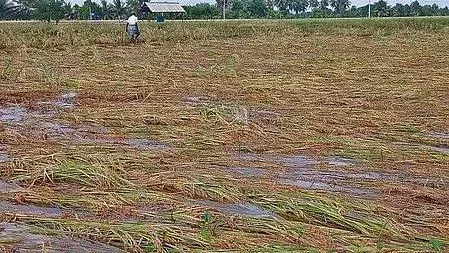
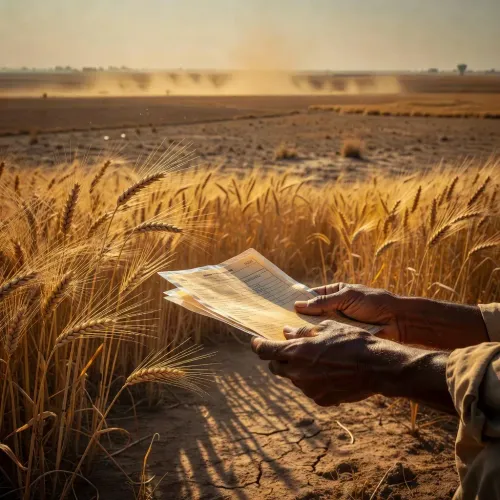
Before the scheme's introduction, crop failures caused by floods, drought, or unseasonal rainfall routinely pushed small and marginal farmers into debt cycles with little recourse. The PMFBY provides compensation for crop loss due to natural calamities, helping farmers recover financially and prepare for the next sowing season without depending on informal moneylenders.
Several beneficiaries in Dhamtari said the scheme had directly helped them survive crop loss events. One farmer said, 'The central government has implemented many schemes for farmers. As for the Pradhan Mantri Fasal Bima Yojana, it is an extremely important scheme. Whenever a natural disaster strikes and crops are damaged, the central government provides compensation. I have personally benefited from it. It is a very good scheme.'
Another farmer noted, 'The Pradhan Mantri Fasal Bima Yojana is proving to be a boon for small and medium-scale farmers. I, too, benefited from this scheme when my crops were destroyed, which helped me overcome financial hardship.'
District Administration's Assessment
Dhamtari Collector Avinash Mishra confirmed that the volume of crop insurance policies issued this season has exceeded last year's, marking a rise of around 10 percent. Agriculture Officer Monesh Sahu added that the upward trend reflects farmers' growing confidence in the scheme and their increasing willingness to formally manage agricultural risk.
This comes amid broader concerns about erratic monsoon patterns and climate variability, which have made income protection increasingly important for farming households across central India.
Broader Context: PMFBY's National Footprint
Launched in February 2016, the PMFBY replaced earlier crop insurance schemes with a unified, premium-subsidised framework. The Centre and state governments jointly bear the bulk of the premium, with farmers paying a fraction — typically 2 percent for kharif crops and 1.5 percent for rabi crops. The scheme has faced implementation challenges in some states, including delays in claim settlements, but districts like Dhamtari demonstrate that where awareness campaigns are active, enrolment can reach meaningful scale.
With enrolment at a five-year high in Dhamtari, the district's experience could serve as a reference point for other agrarian districts in Chhattisgarh looking to expand coverage in the coming kharif and rabi cycles.
Point of View
Which has been the PMFBY's persistent weak link in several states. If Chhattisgarh can pair this enrolment surge with timely, dispute-free payouts, Dhamtari could become a credible model. Until claim data is public and auditable, the 'boon' narrative remains incomplete.
NationPress
11 Oct 2026
Frequently Asked Questions
What is the Pradhan Mantri Fasal Bima Yojana (PMFBY)?
The PMFBY is a government-backed crop insurance scheme launched in February 2016 that provides financial compensation to farmers for crop losses caused by natural calamities. Farmers pay a subsidised premium — as low as 2 percent for kharif crops — while the Centre and state governments cover the remainder.
How many farmers enrolled in PMFBY in Dhamtari this year?
A total of 81,000 farmers in Dhamtari district, Chhattisgarh, enrolled in the PMFBY this year, covering 84,277.75 hectares — the highest enrolment figure in the last five years, according to Agriculture Officer Monesh Sahu.
By how much has PMFBY enrolment grown in Dhamtari?
Enrolment has grown by approximately 10 percent compared to last year, adding 9,300 more farmers to the scheme, as confirmed by Dhamtari Collector Avinash Mishra.
Why are more farmers enrolling in crop insurance in Dhamtari?
Officials attribute the rise to greater awareness about climate-related agricultural risks and the financial protection the scheme offers. Farmers who previously received compensation say it helped them recover from crop loss and prepare for the next sowing season without falling into debt.
Who is eligible for PMFBY benefits?
All farmers growing notified crops in notified areas are eligible, including tenant and sharecropper farmers. The scheme covers losses from natural calamities such as floods, drought, hailstorms, and unseasonal rainfall.