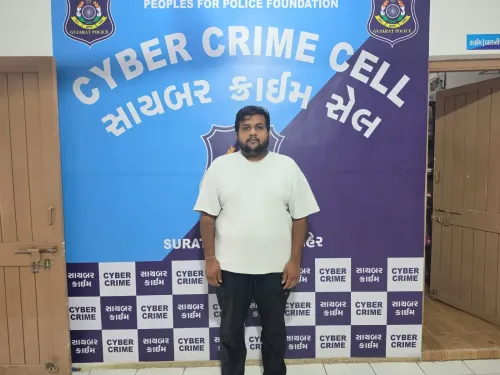
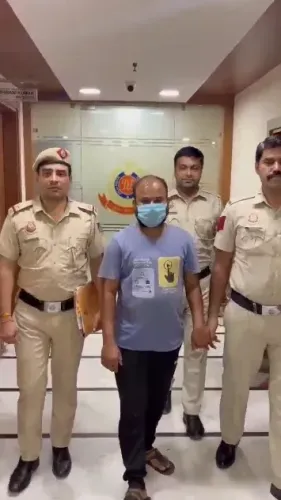
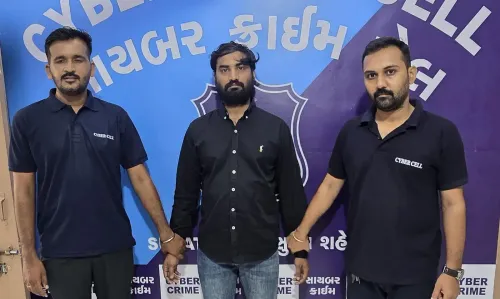
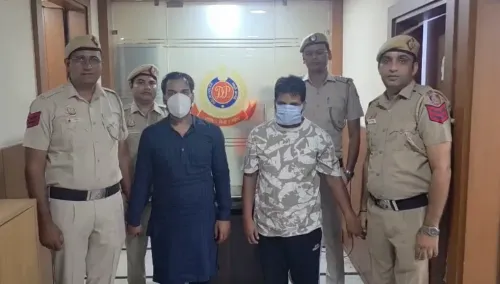
Hyderabad Cyber Police bust ₹1.22 crore trading fraud, 6 arrested

Synopsis
A Hyderabad resident lost ₹1.22 crore to fraudsters running a fake 'Barclays' trading group on WhatsApp — and the mule bank accounts used to launder the money were tied to 26 separate cybercrime cases across India. Six arrests later, Hyderabad Cyber Police have cracked open a commission-driven account supply network that fuelled far more than one scam.
Key Takeaways
Hyderabad Cyber Crime Police arrested six individuals on 24 June 2026 over a ₹1.22 crore investment trading fraud.
The victim was deceived via a WhatsApp group impersonating Barclays and directed to fake platforms BarclaysDailyTrading.com and app.bulishmark.com .
A YES Bank mule account linked to the case was connected to 26 cybercrime cases across India, with ₹1.10 crore transacted through it.
A Central Bank of India account was tied to 18 cases nationwide , with ₹3.37 crore routed through it.
The accused allegedly earned commissions for procuring and supplying bank accounts to criminal networks.
Three accused are from Maharashtra and one from Andhra Pradesh ; investigation is ongoing.
The Cyber Crime Police of Hyderabad have arrested six individuals in connection with an investment trading fraud that siphoned ₹1.22 crore from a city resident, officials announced on Wednesday, 24 June 2026. Investigations uncovered a sophisticated network of mule bank accounts used to route cybercrime proceeds through fake online trading platforms.
How the Fraud Was Executed
According to police, the victim — a Hyderabad resident — was lured in January 2026 through a WhatsApp investment group called '282 BARCLAYS India High-Quality Stock Trading Research Group'. He was directed to invest via two fraudulent platforms: www.BarclaysDailyTrading.com and app.bulishmark.com, with promises of high returns and IPO allotments.
To build trust, the fraudsters initially allowed the victim to withdraw ₹1,05,000. Emboldened, he went on to invest ₹1,22,18,029.50 across 19 transactions. The platforms then displayed fictitious profits of ₹15.69 crore and demanded an additional ₹35 lakh as a fee for releasing IPO allotments — a classic advance-fee trap.
The Mule Account Network
Deputy Commissioner of Police (Cyber Crimes) V. Arvind Babu said investigations revealed that one of the key accused had established a company specifically to open high-value current bank accounts and share internet banking credentials with third parties. Additional accounts were activated using remote access tools and OTP manipulation.
A YES Bank account supplied by one accused was linked to 26 cases across India, including four in Telangana, with credits and debits totalling ₹1,10,86,009. A Central Bank of India account provided by two other accused was linked to 18 cases nationwide — including two in Telangana — with ₹3.37 crore routed through it for online trading platforms.
Profile of the Accused
Of the six arrested, three are residents of Maharashtra and one is from Andhra Pradesh. The accused reportedly earned commissions for procuring and supplying bank accounts to entities engaged in illegal online activities. Genuine business accounts were also obtained through commission-based arrangements, according to police.
Significance of the Arrests
This case is part of a broader pattern of 'pig butchering' investment scams that have surged across India, targeting victims through social media and messaging platforms with fabricated trading portals. The arrests mark a notable disruption of the financial infrastructure supporting such fraud networks. Police said the findings confirm active facilitation by the accused in laundering and transferring proceeds of cybercrime. Further investigation is ongoing.
Point of View
Supplying bank accounts on commission to whoever needed them. That infrastructure layer is often harder to prosecute than the frontline fraudsters, yet it is what keeps the entire racket liquid. The linkage of a single YES Bank account to 26 separate cases across India underscores how one compromised account can multiply damage at scale. Hyderabad Cyber Police deserve credit for tracing the money trail upstream, but the broader question is systemic: KYC norms at banks are evidently insufficient if high-value current accounts can be opened and handed over to criminals with this ease.
NationPress
23 Sept 2026
Frequently Asked Questions
What was the Hyderabad investment trading fraud?
A Hyderabad resident was defrauded of ₹1.22 crore after being lured into a fake WhatsApp investment group impersonating Barclays and directed to fraudulent trading platforms. The victim invested across 19 transactions after being shown fictitious profits of ₹15.69 crore.
Who were the six people arrested by Hyderabad Cyber Crime Police?
Three of the six accused are residents of Maharashtra and one is from Andhra Pradesh. They allegedly procured and supplied mule bank accounts on commission to criminal networks involved in online trading fraud and money laundering.
How were the mule bank accounts used in this fraud?
The accused opened or obtained high-value current bank accounts and shared internet banking credentials with third parties. These accounts were used to route cybercrime proceeds; one YES Bank account was linked to 26 cases across India, while a Central Bank of India account was tied to 18 cases.
How much money was laundered through the bank accounts?
According to police, ₹1,10,86,009 was transacted through the YES Bank account linked to the case, while ₹3.37 crore was routed through the Central Bank of India account supplied by two of the accused.
What should people know to avoid such investment scams?
Authorities warn against joining unsolicited WhatsApp investment groups, especially those promising guaranteed returns or IPO allotments. Legitimate brokers do not operate through unregulated apps or private messaging groups, and any platform not registered with SEBI should be treated with caution.