IIT Guwahati Uses Drones to Reach Flood Victims in Sivasagar
Synopsis
IIT Guwahati has deployed drone technology in Sivasagar, Assam, to deliver relief to flood-stranded residents, the Chief Minister's Office announced on 23 July 2026. The mission reflects a growing shift toward UAV-assisted last-mile logistics in Northeast India's chronically flood-affected districts.
Key Takeaways
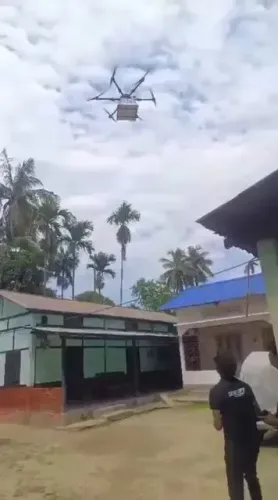
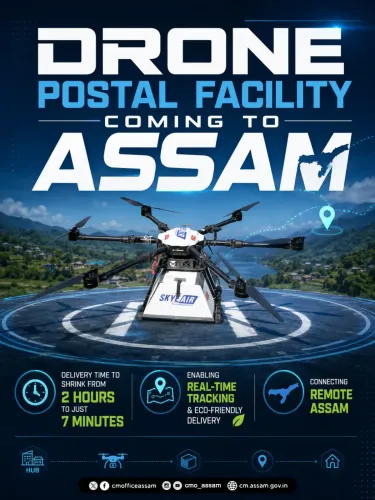
The Chief Minister's Office of Assam confirmed on 23 July 2026 that IIT Guwahati is using drones to deliver relief in Sivasagar district .
Sivasagar lies in the Brahmaputra floodplains and faces severe inundation almost every monsoon season.
IIT Guwahati has established research programmes in UAV systems and disaster-management applications relevant to Northeast India.
The Government of India's Drone Rules (2021) simplified UAV approvals for humanitarian and disaster-relief missions, enabling such deployments.
The operation could serve as a model for scaling drone relief corridors to other flood-affected districts in Assam during the remaining monsoon months.
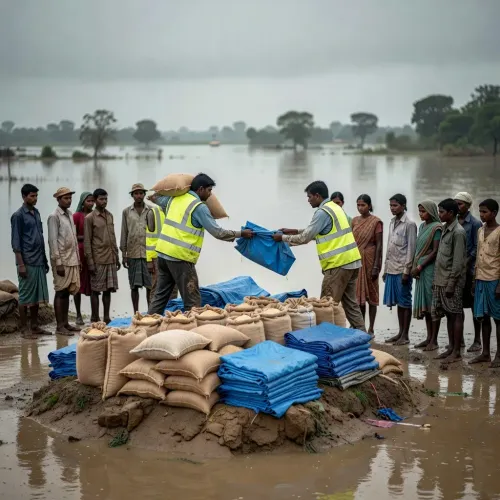
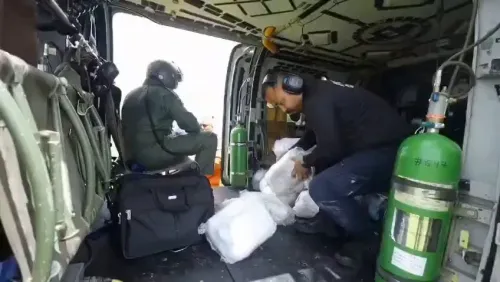
Drone logistics complement traditional boat and helicopter operations, extending reach to villages cut off by floodwaters.
The Chief Minister's Office of Assam announced on Thursday, 23 July 2026 that IIT Guwahati has deployed drone technology in Sivasagar district to deliver relief supplies to residents stranded by the ongoing monsoon floods.
Context
Sivasagar, a historic district in eastern Assam situated in the Brahmaputra floodplains, faces severe inundation almost every monsoon season. Floodwaters routinely cut off villages, making conventional road and boat access difficult or impossible for relief teams. The deployment of drones this season marks a notable shift toward technology-assisted last-mile delivery in the state's relief operations.
The Chief Minister's Office post stated plainly: 'In Sivasagar, IIT Guwahati is using drone technology to help deliver relief to people stranded by the floods.' The brevity of the announcement underscores that the operation is already under way rather than being a future proposal.
Policy Backdrop
The use of drones for humanitarian missions gained formal regulatory footing when the Government of India notified the Drone Rules in 2021, which simplified approvals for unmanned aerial vehicle operations — including those for disaster relief. That framework opened the door for institutions like IIT Guwahati to deploy UAV systems in real-world emergency settings without lengthy clearance delays.
IIT Guwahati has active research programmes in UAV systems, robotics, and disaster-management applications, making it well-positioned to operationalise drone logistics in the field. Its location in Northeast India — a region chronically exposed to flood vulnerability — has allowed the institute to develop and test such solutions close to the contexts where they are most needed.
Stakeholders and Impact
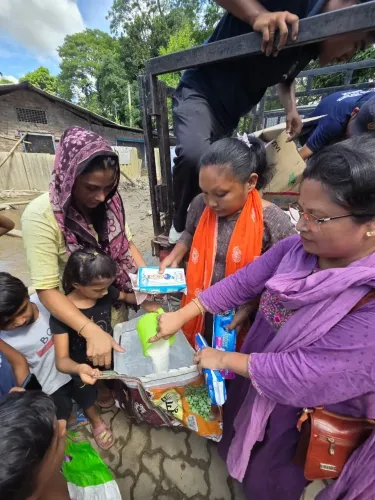
The most immediate beneficiaries are flood-stranded residents of Sivasagar who may be cut off from road networks and unable to receive supplies through conventional means. State disaster-response teams stand to benefit as well, since drone corridors can supplement — and in some scenarios replace — slower boat and helicopter operations that are constrained by weather, fuel, and crew availability.
Across Assam, the annual monsoon floods displace lakhs of people and damage critical infrastructure. Technology-assisted relief, when integrated into standard operating procedures, can reduce response time and extend the reach of relief agencies into areas that are otherwise inaccessible during peak inundation.
What's Next
The Sivasagar operation could serve as a proof-of-concept for scaling drone-based relief corridors to other vulnerable districts in Assam during the remaining monsoon months. Authorities and disaster-management planners will likely assess the mission's logistics — payload capacity, flight range, turnaround time — before deciding whether to expand the model statewide.
If the IIT Guwahati drone mission demonstrates consistent reliability in Sivasagar, it could accelerate the integration of UAV logistics into Assam's formal flood-management standard operating procedures, setting a precedent for other flood-prone states in Northeast India to follow.
Point of View
Not merely a logistical tool. This fits a broader national pattern in which state governments increasingly partner with technical institutions to demonstrate innovation in disaster management — particularly in electorally and administratively complex regions like Northeast India. The 2021 Drone Rules gave such partnerships a clear regulatory runway, and Assam appears to be among the early movers in converting that framework into field operations. How consistently and transparently the state scales this model across other vulnerable districts will determine whether the initiative represents genuine institutional change or a one-off showcase.
NationPress
22 Oct 2026
Frequently Asked Questions
Why is IIT Guwahati using drones in Sivasagar floods?
IIT Guwahati is deploying drone technology in Sivasagar to deliver relief supplies to residents stranded by monsoon flooding, where conventional road and boat access is difficult. The institute has active UAV and disaster-management research programmes suited to such operations.
Which district in Assam is getting drone flood relief in 2026?
Sivasagar district in eastern Assam is the site of the drone-based relief mission confirmed by the Chief Minister's Office on 23 July 2026.
Is drone use for disaster relief legal in India?
Yes. The Government of India notified the Drone Rules in 2021, which simplified approvals for UAV operations including humanitarian and disaster-relief missions, making deployments like the one in Sivasagar legally permissible.
How do drones help in flood relief operations?
Drones can deliver essential supplies such as food and medicine to flood-stranded communities that are cut off from road networks, complementing slower boat and helicopter operations and reducing response time.
Could Assam expand drone relief to other districts?
The Sivasagar mission could serve as a proof-of-concept. If it demonstrates reliable logistics, authorities may scale drone corridors to other flood-affected districts in Assam during the remaining monsoon months and integrate UAV operations into the state's standard flood-management procedures.