Karnataka adds Indi taluk to drought list after Congress MLA Patil resigns in protest
Synopsis
A single MLA's resignation letter was enough to move the Karnataka government. Within 24 hours of Congress MLA Yashwantharayagowda Patil resigning in protest, Indi taluk was added to the drought-hit list — a rare instance of individual legislator pressure visibly shifting state policy, and a signal of the quiet tensions inside the ruling Congress over drought relief and ministerial recognition.
Key Takeaways
The Karnataka government added Indi taluk (Vijayapura district) to its drought 'ground-truthing' list on 24 September 2026 , issuing a formal notification.
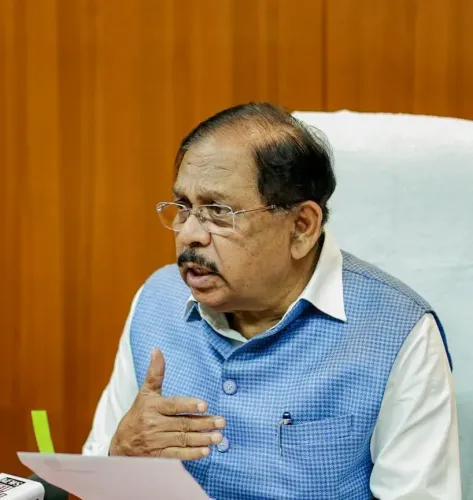
Congress MLA Yashwantharayagowda Patil had submitted his resignation to Assembly Speaker G.S.
Patil on Wednesday , protesting exclusion of Indi and Chadachan taluks from the drought declaration.
12 other taluks in Vijayapura district had already been declared drought-hit; Chadachan taluk remains excluded.
The resignation was not accepted by the Speaker, as it did not comply with prescribed procedural rules.
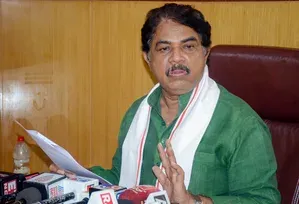
BJP's Leader of Opposition R.
Ashoka demanded CM Shivakumar accept the resignation, citing Shivakumar's own earlier statement on accepting MLA resignations.
Karnataka has declared 188 taluks drought-affected across four phases under Centre guidelines framed in 2020 .
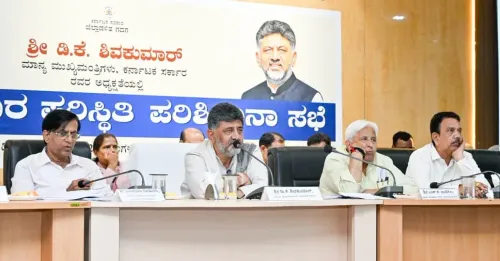
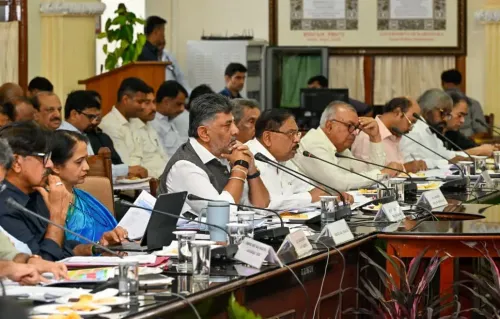
The Karnataka government on Thursday, 24 September 2026, added Indi taluk in Vijayapura district to its official drought-hit list, yielding to sustained pressure from Congress MLA Yashwantharayagowda Patil — just a day after the legislator submitted his resignation to protest the taluk's exclusion. The government has included Indi taluk in the 'ground-truthing' list and issued a formal notification to that effect.
The Resignation That Triggered Action
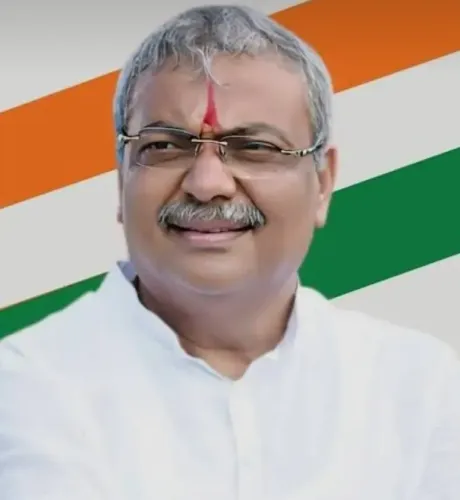
Patil, the Congress legislator from the Indi constituency, had on Wednesday submitted his resignation letter to Assembly Speaker G.S. Patil, simultaneously informing Chief Minister D.K. Shivakumar of his decision. His protest centred on the exclusion of both Indi and Chadachan taluks from the drought declaration, even as 12 other taluks in Vijayapura district had already been designated drought-hit.
'I have conveyed my concerns to the Chief Minister, and he has assured me that the issue will be rectified... Ours is the last taluk, yet it has not been declared drought-hit. Chief Minister D.K. Shivakumar has understood my concern, and I am confident that he will rectify the issue,' Patil said.
Political Uproar in the Assembly
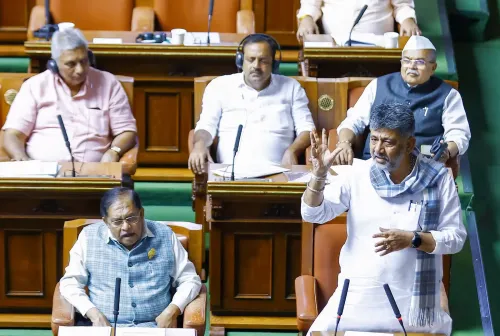
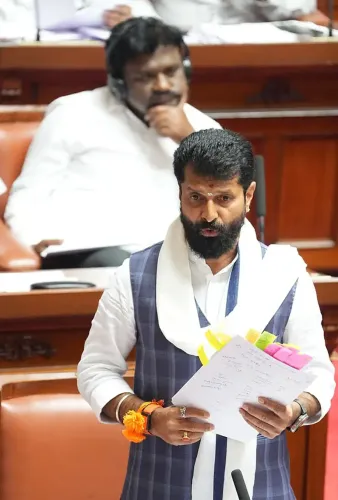
The resignation triggered an immediate political storm in the Karnataka Legislative Assembly, with the Opposition Bharatiya Janata Party (BJP) pressing for clarification. Former Home Minister and BJP MLA Araga Jnanendra raised the matter on the floor, demanding the Speaker address the status of the resignation. Leader of Opposition R. Ashoka also intervened, asserting he had a copy of the resignation letter and recalling an earlier statement by Shivakumar that resignations from legislators would be accepted.
'Is the resignation now accepted? If so, does D.K. Shivakumar's word have any value? If you have the courage, accept the resignation,' Ashoka said.
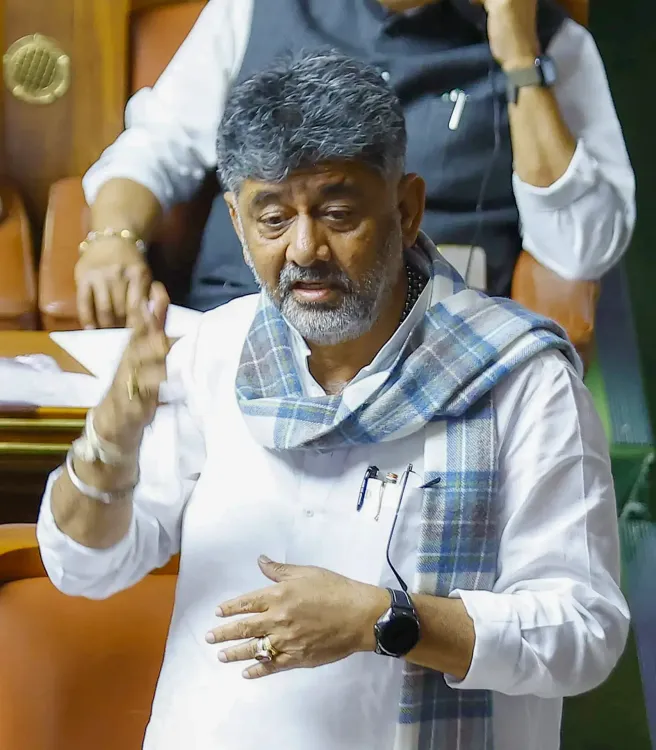
Responding, Chief Minister Shivakumar dismissed calls for alarm, framing the resignation as rooted in constituency concerns rather than factional politics. 'This is a resignation given for the sake of the people's livelihood. The Prime Minister has also warned us about the drought situation,' he said. The Speaker subsequently clarified that Patil's resignation had not been accepted, as it did not comply with prescribed procedural rules.
Context: A Pattern of Dissatisfaction
Notably, this is not the first time Patil has moved to resign. He had previously expressed dissatisfaction after being denied a ministerial berth in the recent Cabinet expansion, and had submitted an earlier resignation that was subsequently withdrawn following intervention by Shivakumar and senior Congress leaders. The latest episode underscores continuing friction within the Karnataka Congress over resource allocation and political recognition for legislators from drought-prone regions.
The Chief Minister acknowledged that farmers in Patil's constituency had borrowed money and invested in cultivation, adding pressure on the legislator to secure drought relief. He also stressed that established Centre-framed guidelines govern drought declarations and that the government cannot arbitrarily designate an area as drought-hit.
Karnataka's Drought Declaration: The Larger Picture
Karnataka has, across four phases, declared 188 taluks as drought-affected under guidelines framed by the Centre in 2020. The first phase covered 101 taluks, followed by 23 in the second, 53 in the third, and 11 in the fourth. The inclusion of Indi in the ground-truthing list now places it on the pathway to a formal drought declaration, though Chadachan taluk's status remains unresolved.
With Chadachan still excluded and assembly session politics running high, the pressure on the Shivakumar government from drought-belt legislators is unlikely to ease in the near term.
Point of View
The queue will only grow; Chadachan's exclusion is already an open wound. More fundamentally, the episode exposes a contradiction at the heart of the process: if Centre-mandated scientific guidelines govern drought declarations, they should not bend to political pressure — but if they can bend this quickly, the credibility of those guidelines is compromised. The BJP's opportunism is predictable, but the real accountability question belongs to the Congress high command.
NationPress
24 Sept 2026
Frequently Asked Questions
Why was Indi taluk added to Karnataka's drought list?
Indi taluk in Vijayapura district was added to Karnataka's drought 'ground-truthing' list on 24 September 2026, a day after Congress MLA Yashwantharayagowda Patil submitted his resignation protesting the taluk's exclusion. The government issued a formal notification after Chief Minister D.K. Shivakumar acknowledged the legislator's concerns.
What did Congress MLA Yashwantharayagowda Patil demand?
Patil demanded that both Indi and Chadachan taluks in Vijayapura district be declared drought-hit, arguing that 12 other taluks in the same district had already received the designation. He submitted his resignation to Assembly Speaker G.S. Patil and informed Chief Minister Shivakumar of his decision.
Was Patil's resignation accepted by the Karnataka Assembly Speaker?
No. Assembly Speaker G.S. Patil clarified that the resignation was not accepted because it did not comply with the prescribed procedural rules. The BJP had raised the matter on the assembly floor, demanding the Speaker act on it.
How many taluks has Karnataka declared drought-affected in 2026?
Karnataka declared 188 taluks as drought-affected across four phases under guidelines framed by the Centre in 2020. The first phase covered 101 taluks, the second 23, the third 53, and the fourth 11. Indi taluk's inclusion in the ground-truthing list brings it closer to a formal declaration.
What is the BJP's position on Patil's resignation?
The BJP used the resignation to target Chief Minister D.K. Shivakumar, with Leader of Opposition R. Ashoka demanding the resignation be accepted and questioning Shivakumar's credibility. Former Home Minister Araga Jnanendra also raised the issue in the assembly, seeking clarification on the Speaker's position.