India, BASIC nations push for equitable climate action at COP31 in Antalya
Synopsis
At COP31 in Antalya, India and the BASIC bloc drew a firm line: climate action must be equitable and development-sensitive. Environment Minister Bhupender Yadav also pushed a broader accountability yardstick for the India-Japan carbon crediting mechanism — measuring success not just by emission cuts, but by finance flows and technology transfer.
Key Takeaways
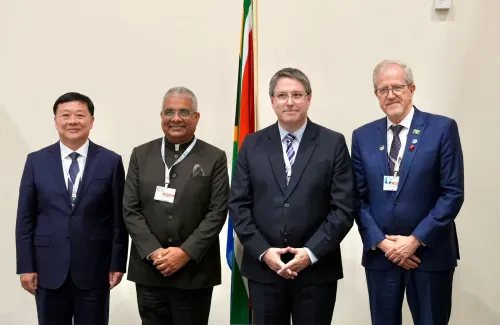
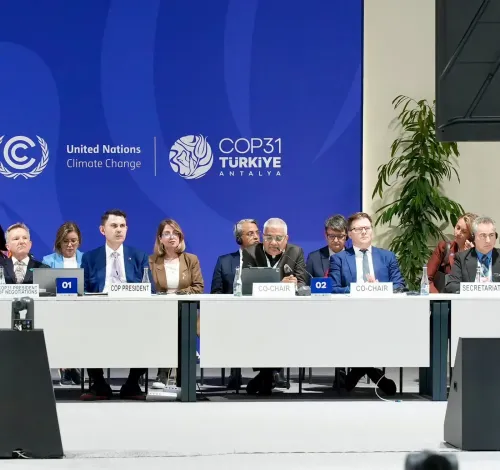
Union Minister Bhupender Yadav represented India at the BASIC Ministerial Meeting on the sidelines of COP31 in Antalya, Turkey on 18 November 2026 .
The BASIC bloc — Brazil, South Africa, India, and China — reaffirmed commitment to equitable climate action aligned with the Paris Agreement .
The four nations agreed to coordinate on shared priorities in international climate negotiations, emphasising multilateralism and development equity.
India and Japan are progressing on operationalising the India-Japan Joint Crediting Mechanism (JCM) , with digitalisation of the project cycle underway.
Yadav argued JCM success should be measured by finance mobilised, technologies transferred, and capacities built — beyond emission reductions alone.
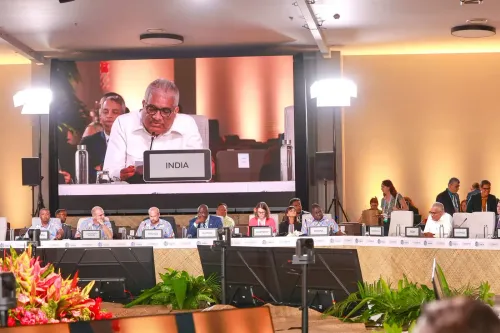
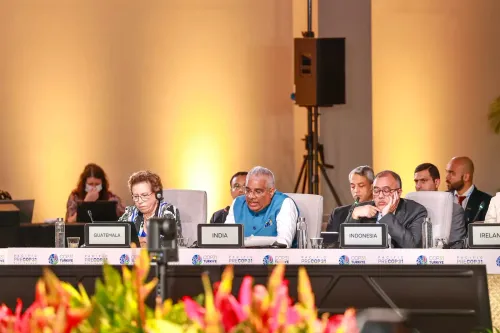
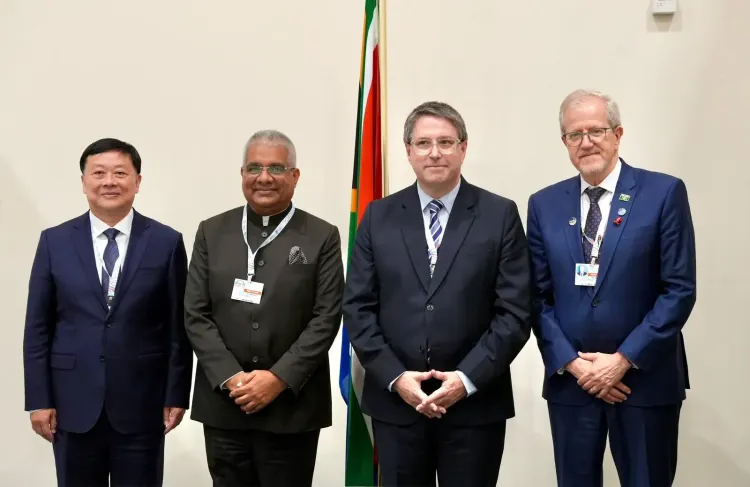
Union Minister for Environment, Forest and Climate Change Bhupender Yadav on 18 November 2026 participated in the BASIC (Brazil, South Africa, India and China) Ministerial Meeting on Climate Change, held on the sidelines of the 31st Conference of the Parties (COP31) in Antalya, Turkey. The four-nation bloc reaffirmed its collective commitment to equitable, inclusive climate action anchored in the principles of the Paris Agreement.
Key Commitments from the BASIC Meeting
The four nations agreed to strengthen cooperation and coordination at both technical and ministerial levels, working collectively towards climate outcomes that preserve the balance of the Paris Agreement and uphold multilateralism. The discussions underscored the importance of a coordinated approach among developing economies in advancing shared priorities in international climate negotiations.
Notably, the bloc emphasised that global climate action must remain equitable and aligned with the development priorities of nations — a stance that has consistently placed the BASIC grouping in tension with wealthier economies over burden-sharing in emissions reduction targets.
India-Japan Joint Crediting Mechanism
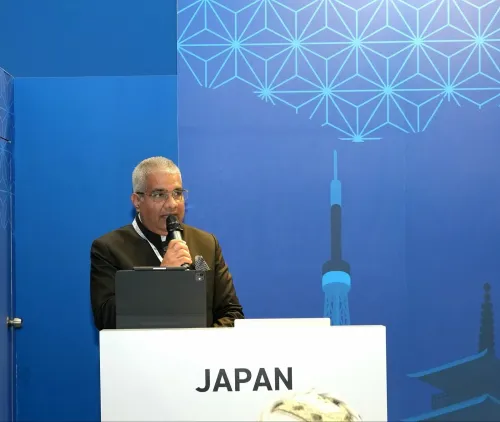
On the sidelines of the UN Climate Change Conference, Minister Yadav also highlighted progress in operationalising the India-Japan Joint Crediting Mechanism (JCM) at the 12th JCM Partner Countries' Meeting. He emphasised the platform's potential in promoting scalable climate cooperation while supporting national priorities of developing countries.
Yadav stated that the success of the JCM should be measured not only by emission reductions, but also by finance mobilised, technologies transferred, domestic capacities strengthened, and sustainable development benefits generated — a broader accountability framework than is typically applied to such bilateral mechanisms.
Digitalisation and Transparency on the Agenda
India and Japan are reportedly working towards digitalising the JCM project cycle to streamline submissions, facilitate processing, and enhance transparency. Immediate priorities include inviting applications for third-party entities, receiving proposed methodologies, and facilitating Project Idea Note submissions.
Minister Yadav also underscored the importance of strengthening domestic validation and verification capacities to ensure robust monitoring, reporting, and verification — critical safeguards as carbon crediting mechanisms face growing scrutiny globally.
Why the BASIC Bloc Matters at COP31
The BASIC grouping — formed ahead of COP15 in Copenhagen in 2009 — remains one of the most consequential coalitions in multilateral climate diplomacy, collectively representing a significant share of the world's population, emissions, and economic growth. This comes amid intensifying pressure on large emerging economies to accelerate their emissions timelines, with developed nations pushing for more ambitious near-term targets.
The group's reaffirmation of equity and development priorities at COP31 signals that the fault line between developed and developing nations over climate finance and transition responsibility remains firmly in place as negotiations advance.
Point of View
As developed nations quietly narrow their own climate finance commitments. The India-Japan JCM is a pragmatic bilateral workaround in this gridlocked multilateral environment, but its credibility will hinge on whether the digitalised verification framework is genuinely independent. The deeper question COP31 must answer is whether equity language translates into binding finance architecture — or remains aspirational text in a final agreement.
NationPress
18 Nov 2026
Frequently Asked Questions
What is the BASIC grouping and why does it matter at COP31?
BASIC is a coalition of Brazil, South Africa, India, and China, formed ahead of COP15 in Copenhagen in 2009 to coordinate climate positions among major developing economies. At COP31, the bloc reaffirmed its push for equitable, development-sensitive climate action, making it a key counterweight to developed-nation pressure for faster emissions timelines.
What did India commit to at the BASIC ministerial meeting at COP31?
India, alongside Brazil, South Africa, and China, committed to strengthening cooperation at both technical and ministerial levels and working towards climate outcomes that preserve the balance of the Paris Agreement. The group emphasised that global climate action must remain equitable, inclusive, and aligned with the development priorities of nations.
What is the India-Japan Joint Crediting Mechanism (JCM)?
The India-Japan Joint Crediting Mechanism is a bilateral carbon crediting platform through which Japan supports emissions-reduction projects in partner countries, including India, in exchange for carbon credits. At COP31, Minister Yadav highlighted progress in operationalising the mechanism and pushed for a broader measure of success beyond emission reductions, including finance mobilised and technology transferred.
How is India working to improve transparency in the JCM?
India and Japan are working towards digitalising the JCM project cycle to streamline submissions, facilitate processing, and enhance transparency. Immediate steps include inviting applications for third-party entities and receiving proposed methodologies to strengthen monitoring, reporting, and verification.
Where is COP31 being held and what is its significance?
The 31st Conference of the Parties (COP31) is being held in Antalya, Turkey, bringing together nations to advance international climate action under the Paris Agreement framework. It is a key venue for multilateral negotiations on emissions targets, climate finance, and technology transfer between developed and developing nations.