India-Canada CEPA 2026: Energy, minerals and tech drive renewed economic push
Synopsis
After years of diplomatic friction, India and Canada are now racing toward a CEPA deadline of end-2026, backed by a concrete uranium deal worth CAD 2.6 billion and a fresh strategic energy partnership. A former Indian High Commissioner to Canada argues the complementarities — in energy, critical minerals, AI, and space — have always existed; the missing ingredient was political will, and that may have finally arrived.
Key Takeaways
The Joint Leaders' Statement of March 2026 identified energy, critical minerals, clean tech, space and talent mobility as priority cooperation areas and revived the CEPA talks.
Both governments are targeting conclusion of the CEPA by end-2026 , according to analysis by former High Commissioner Sanjay Kumar Verma .
A CAD 2.6 billion (approximately US$ 1.88 billion) uranium supply deal between Cameco and India's Department of Atomic Energy underpins the new Strategic Energy Partnership .
India will seek better access for pharmaceuticals, IT services and professional services ; Canada will prioritise agriculture, energy and minerals .
Three decades of ISRO–Canadian Space Agency cooperation provide a foundation for expanded space collaboration.
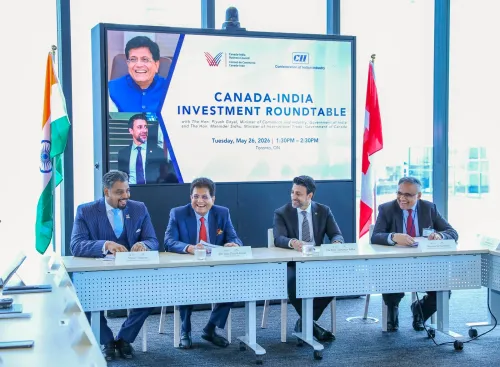
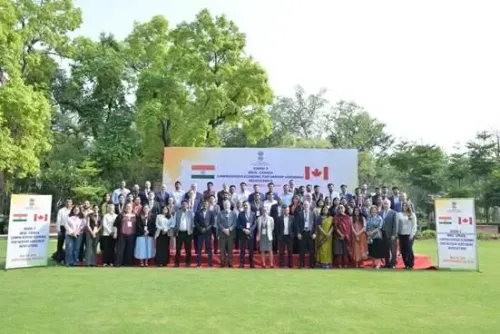
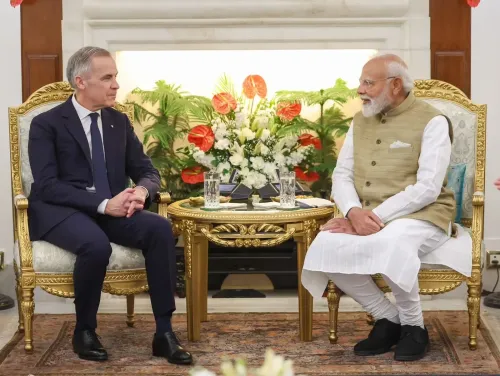
The India-Canada economic relationship is showing fresh signs of momentum in 2026, with both governments targeting the conclusion of a Comprehensive Economic Partnership Agreement (CEPA) by year-end, backed by the landmark Joint Leaders' Statement of March 2026. The statement gave the bilateral reset a substantial economic dimension, according to a detailed analysis by Sanjay Kumar Verma, former Indian High Commissioner to Canada, published in India Narrative.
Verma argues that the foundational elements of a strong economic partnership have long existed between the two countries — what has periodically been absent is the political and institutional will to convert those complementarities into tangible outcomes. That gap, he suggests, may now be closing.
What the Joint Leaders' Statement Put on the Table
The March 2026 statement identified energy, critical minerals, clean technologies, science and technology, space, resilient supply chains, and talent mobility as priority areas for deeper cooperation. Crucially, it reinstated the CEPA at the centre of the bilateral economic agenda — a deal that had stalled for years amid diplomatic turbulence.
Both governments have expressed determination to finalise the agreement before the end of 2026. The central question, according to Verma, is not whether a deal will be struck, but what shape it will take and how effectively it can be used to structurally reshape the relationship.
Energy and Critical Minerals: Natural Complementarity
Canada's capacity as a supplier of LNG, LPG, crude oil, and uranium aligns directly with India's status as one of the world's largest and fastest-growing energy markets. The March 2026 statement formalised this with a Strategic Energy Partnership covering conventional energy, civil nuclear cooperation, clean energy, and critical minerals.
A concrete anchor for the nuclear dimension is already in place: a CAD 2.6 billion (approximately US$ 1.88 billion) long-term uranium supply agreement between Cameco and India's Department of Atomic Energy. Negotiations on a long-term LPG supply arrangement are also under way, the analysis notes.
On critical minerals, Canada brings significant reserves and processing expertise in materials central to batteries, advanced manufacturing, and clean technologies. A bilateral memorandum on critical minerals provides a basis for moving beyond one-off resource transactions into joint exploration, processing, investment, and supply-chain partnerships.
Clean Energy and Technology: Where Growth Potential Is Largest
India's demonstrated capabilities in solar deployment, storage systems, and scalable renewable energy solutions could support Canada's own grid modernisation ambitions. The two sides have agreed to cooperate across solar, wind, bioenergy, small hydro, and storage.
Technology may ultimately represent the largest canvas of all. Canada has recognised strengths in artificial intelligence, quantum technologies, advanced research, and aerospace. India offers a large digital ecosystem, a substantial technology workforce, and proven experience in deploying digital platforms at scale. A renewed bilateral science and technology framework is intended to channel these complementarities into concrete projects.
Space cooperation, too, has a three-decade institutional history, with ISRO and the Canadian Space Agency providing an established foundation for expanded collaboration, Verma's analysis points out.
CEPA Negotiations: What Each Side Wants
India is expected to push for improved access for its pharmaceuticals, engineering products, machinery, IT services, and professional services in the Canadian market. Canada, in turn, will prioritise access for its agriculture and agri-food products, energy, minerals, wood products, and other resource-intensive goods.
Verma acknowledges that these negotiations will not be straightforward. Domestic sensitivities on both sides are real and will need to be accommodated — a political reality that has derailed earlier rounds of trade discussions.
What Comes Next
With a self-imposed deadline of end-2026 and a more structured cooperation architecture than at any previous point, the India-Canada economic relationship appears better positioned than it has been in years. Whether the political momentum translates into a CEPA with genuine market-opening provisions — rather than a framework agreement in name only — will be the key measure of success in the months ahead.
Point of View
Frameworks signed, and momentum lost to diplomatic headwinds. The March 2026 reset is more substantive than earlier iterations, with a uranium deal already signed and a named CEPA deadline, but the history of this bilateral demands scepticism about follow-through. India's services-access demands and Canada's agricultural sensitivities have derailed talks before, and domestic politics on both sides remain unpredictable. The real test is whether the end-2026 CEPA target survives contact with negotiating reality — or becomes another missed deadline dressed up as strategic alignment.
NationPress
7 Oct 2026
Frequently Asked Questions
What is the India-Canada CEPA and when is it expected to be finalised?
The Comprehensive Economic Partnership Agreement (CEPA) is a broad bilateral trade deal covering goods, services, investment, and supply chains. Both governments have set a target of concluding the agreement by the end of 2026, following the Joint Leaders' Statement of March 2026 that placed it back at the centre of the economic relationship.
What is the Cameco uranium deal with India?
Canadian uranium company Cameco has signed a long-term uranium supply agreement with India's Department of Atomic Energy worth CAD 2.6 billion (approximately US$ 1.88 billion). It forms a concrete pillar of the new India-Canada Strategic Energy Partnership announced in March 2026.
What sectors are prioritised under the India-Canada Strategic Energy Partnership?
The Strategic Energy Partnership covers conventional energy, civil nuclear cooperation, clean energy, and critical minerals. It also encompasses cooperation on LNG, LPG, crude oil, and uranium supply, reflecting India's growing energy demand and Canada's resource strengths.
What does India want from the CEPA negotiations?
India is expected to seek improved market access for pharmaceuticals, engineering products, machinery, IT services, and professional services in Canada. Canada, in turn, is prioritising access for its agriculture and agri-food products, energy, minerals, and wood products.
Why have India-Canada economic ties underperformed their potential in the past?
According to former Indian High Commissioner Sanjay Kumar Verma, the core ingredients for a strong economic relationship have consistently existed — the missing factor has been sustained political and institutional momentum. Diplomatic tensions and domestic sensitivities on both sides have periodically stalled negotiations, including earlier rounds of CEPA talks.