India's defence budget rises to ₹7.85 lakh crore; ₹2.19 lakh crore for modernisation in FY2026-27
Synopsis
India's defence budget has crossed ₹7.85 lakh crore for FY2026-27 — with ₹2.19 lakh crore ring-fenced for modernisation alone. Defence Minister Rajnath Singh's Jaisalmer address revealed a defence production sector that has quadrupled since 2014-15 and exports that have leapt from under ₹2,000 crore to ₹40,000 crore. The government's next bet: ₹3 lakh crore in production and ₹50,000 crore in exports by 2029.
Key Takeaways
India's total defence budget for FY2026-27 has risen to ₹7.85 lakh crore , announced by Defence Minister Rajnath Singh in Jaisalmer on 3 November 2026 .
Capital outlay for modernisation and procurement stands at ₹2.19 lakh crore .
Defence production has grown from ₹46,429 crore in 2014-15 to approximately ₹1.78 lakh crore in 2025-26 .
Defence exports have risen from below ₹2,000 crore in 2014 to approximately ₹40,000 crore currently.
Government targets: defence production of ₹3 lakh crore and exports of ₹50,000 crore by 2029 .
New Army platforms — Ashni , Bhairon , and Shaktibaan — cited as examples of indigenous modernisation progress.
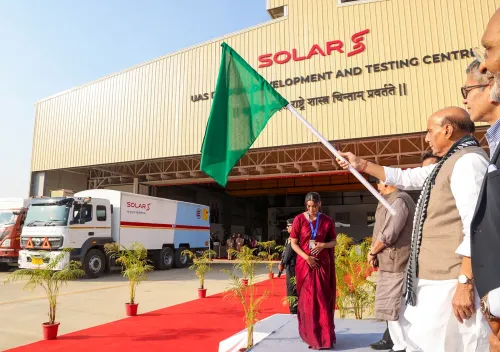
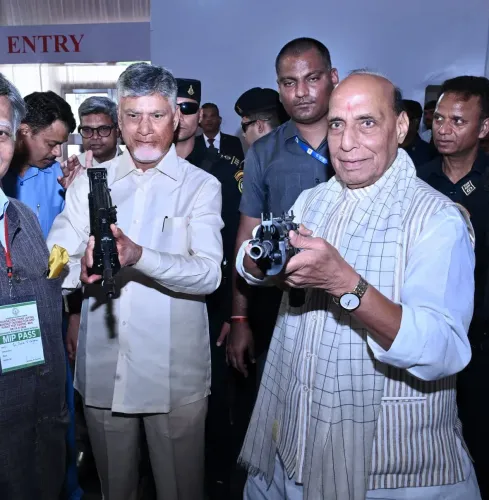
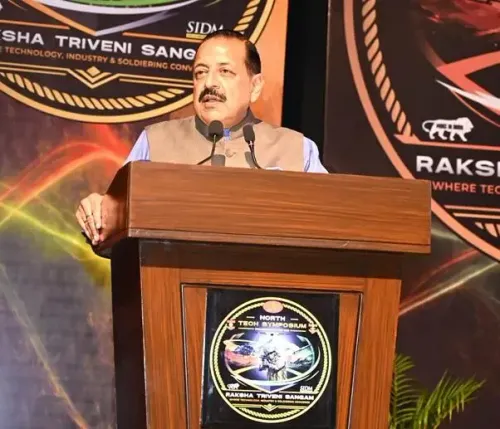
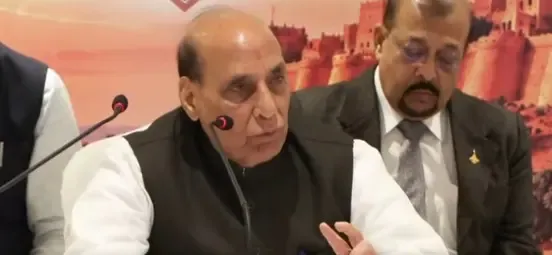
Defence Minister Rajnath Singh on 3 November 2026 announced that India's total defence budget for financial year 2026-27 has risen to ₹7.85 lakh crore, with a dedicated capital outlay of ₹2.19 lakh crore set aside for modernisation and capital procurement. Singh made the disclosure while addressing a session of the Parliamentary Consultative Committee in Jaisalmer, Rajasthan, underscoring the government's commitment to transforming the armed forces to meet evolving security challenges.
What the Defence Budget Covers
The minister outlined three strategic pillars driving the modernisation push: increased budgetary allocation and capital acquisition, technological advancement, and human resource development. Singh emphasised that funds were not only being allocated but were being fully utilised, noting that the armed forces maintain a priority list to ensure efficient deployment of resources.
'The armies also understand very well that the government is committed to their needs. They put very important things in a priority list and utilise the budget well,' Singh said.
Defence Production and Exports: The Self-Reliance Story
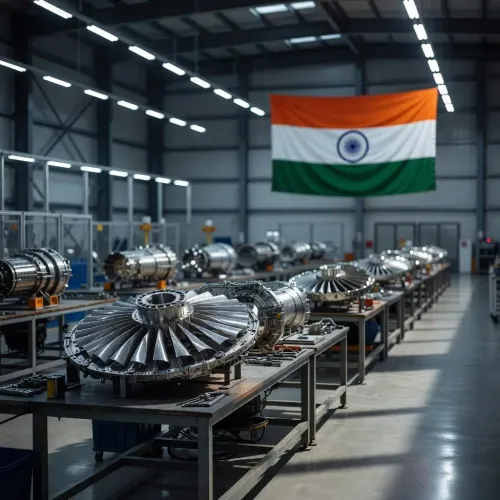
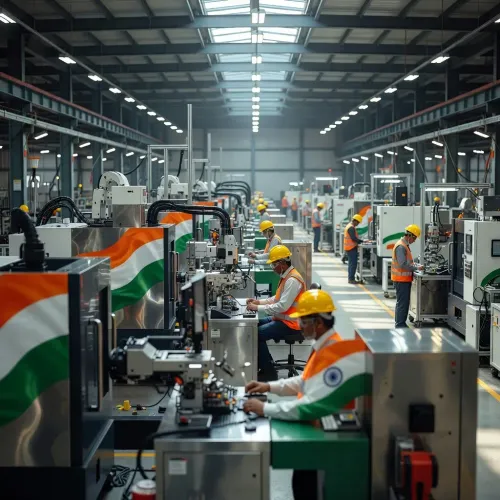
Singh highlighted India's rapid strides in defence manufacturing. Domestic defence production, which stood at approximately ₹46,429 crore in 2014-15, has surged to around ₹1.78 lakh crore in 2025-26 — a near four-fold increase in just over a decade. Defence exports, which were below ₹2,000 crore in 2014, have now climbed to approximately ₹40,000 crore.
The government has set ambitious targets: defence production to reach ₹3 lakh crore and defence exports to touch ₹50,000 crore by 2029. Singh expressed confidence that export figures would in fact exceed the stated target.
Technology, DRDO, and Private Sector Push
The minister stressed that modern warfare is increasingly being shaped by technologies such as drones, missiles, and air defence systems. He pointed to the ongoing conflicts between Russia and Ukraine and Israel and Iran as evidence of how the nature of warfare is changing, and said India's forces must prepare accordingly.
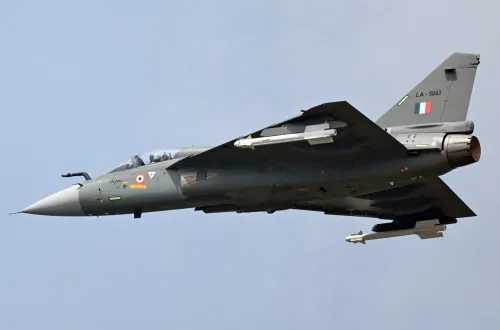
The Defence Research and Development Organisation (DRDO) is actively developing new weapons systems and missiles, he said. Alongside state-led R&D, the government is extending a level playing field to private sector entities — from MSMEs to large industrial players — encouraging broader participation in India's defence ecosystem. Notably, new Army platforms including 'Ashni', 'Bhairon', and 'Shaktibaan' were cited as examples of formations addressing operational requirements.
Strategic Autonomy and Human Resource Development
Singh underlined that modernisation goes beyond procuring advanced equipment — it encompasses strengthening operational readiness and developing skilled personnel. All three services, he said, are undertaking structural and organisational reforms aligned with the demands of contemporary warfare.
The overarching objective, he said, is to build an indigenous defence ecosystem that reduces India's strategic dependence on foreign suppliers and reinforces the country's strategic autonomy.
The Jaisalmer Meeting
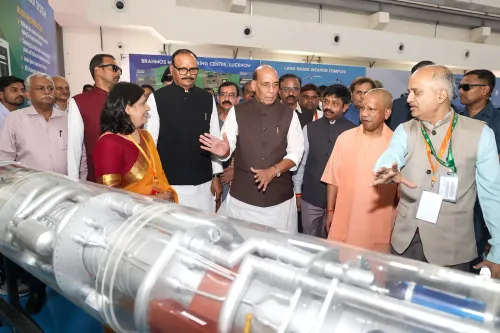
The Parliamentary Consultative Committee gathering in Jaisalmer was followed by a detailed presentation on armed forces modernisation. Singh said the border-region venue was deliberate — allowing members to connect with ground realities in frontier and farming areas. He assured lawmakers that recommendations emerging from such meetings are formally considered by the ministry. With targets set for 2029 and a defence production ecosystem rapidly taking shape, the next milestone will be whether export growth can keep pace with the minister's projections.
Point of View
Production quadrupled, and a credible private-sector pipeline now supporting DRDO. Yet the 2029 targets of ₹3 lakh crore in production and ₹50,000 crore in exports require sustained annual growth that has thus far been government-incentive-driven rather than market-led. The Jaisalmer setting — border country — was not incidental; it was a message to both lawmakers and adversaries. Whether India's indigenous ecosystem can absorb the capital outlay without the procurement delays that have historically plagued large defence programmes remains the unresolved question behind every confident figure Singh cited.
NationPress
3 Nov 2026
Frequently Asked Questions
What is India's defence budget for FY2026-27?
India's total defence budget for financial year 2026-27 has been set at ₹7.85 lakh crore, with ₹2.19 lakh crore specifically earmarked for modernisation and capital procurement. Defence Minister Rajnath Singh announced the figures at a Parliamentary Consultative Committee meeting in Jaisalmer on 3 November 2026.
How much has India's defence production grown since 2014?
India's defence production has grown from approximately ₹46,429 crore in 2014-15 to around ₹1.78 lakh crore in 2025-26 — nearly a four-fold increase. Defence exports have seen an even sharper rise, climbing from below ₹2,000 crore in 2014 to approximately ₹40,000 crore.
What are India's defence production and export targets for 2029?
The government aims to grow defence production to ₹3 lakh crore and defence exports to ₹50,000 crore by 2029. Rajnath Singh expressed confidence that export figures would actually exceed the stated target.
What new Army platforms did Rajnath Singh mention?
The Defence Minister cited three new Army formations and platforms — 'Ashni', 'Bhairon', and 'Shaktibaan' — as examples of how indigenous capabilities are being developed to address operational requirements in modern warfare.
Why was the Parliamentary Consultative Committee meeting held in Jaisalmer?
The Jaisalmer venue was chosen to allow parliamentary members to engage with ground realities in border and farming areas, according to Rajnath Singh. The meeting was followed by a detailed presentation on the modernisation of India's armed forces.