Is India Ready to Intensify Trade Negotiations with Israel and Russia Soon?
Synopsis
India is set to ramp up discussions with Israel on trade in January, following a significant agreement signed in November. Concurrently, negotiations with Russia regarding the EAEU free trade deal will commence post-budget presentation. This strategy aims to enhance trade relations and remove barriers, with a vision to achieve $100 billion trade by 2030.
Key Takeaways
India plans to engage in trade talks with Israel in January.
Terms of reference for an FTA with Israel were signed in November.
Negotiations with Russia regarding EAEU trade will begin post-budget.
Focus on reducing non-tariff barriers for Indian products.
Aim for $100 billion trade with Russia by 2030.
New Delhi, Dec 31 (NationPress) Officials from India’s Commerce Ministry are slated to engage with their Israeli counterparts in January for significant bilateral trade discussions, as reported by official sources.
The agenda will cover framework and gateway issues in pre-round negotiations next month. The terms of reference for a Free Trade Agreement (FTA) between India and Israel were formalized in November, paving the way for further discussions to advance this initiative.
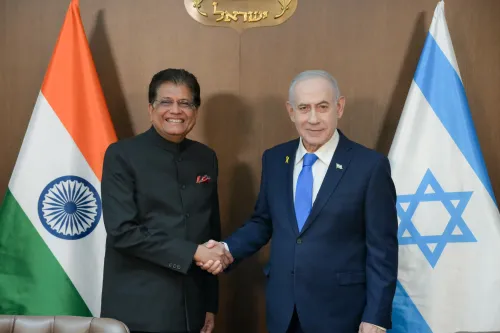
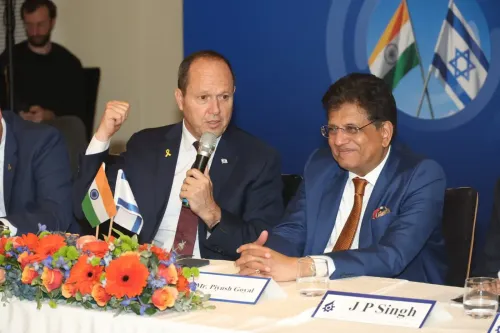
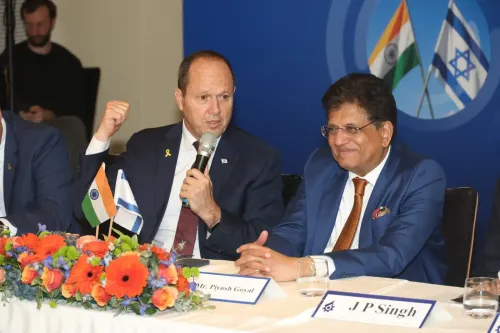
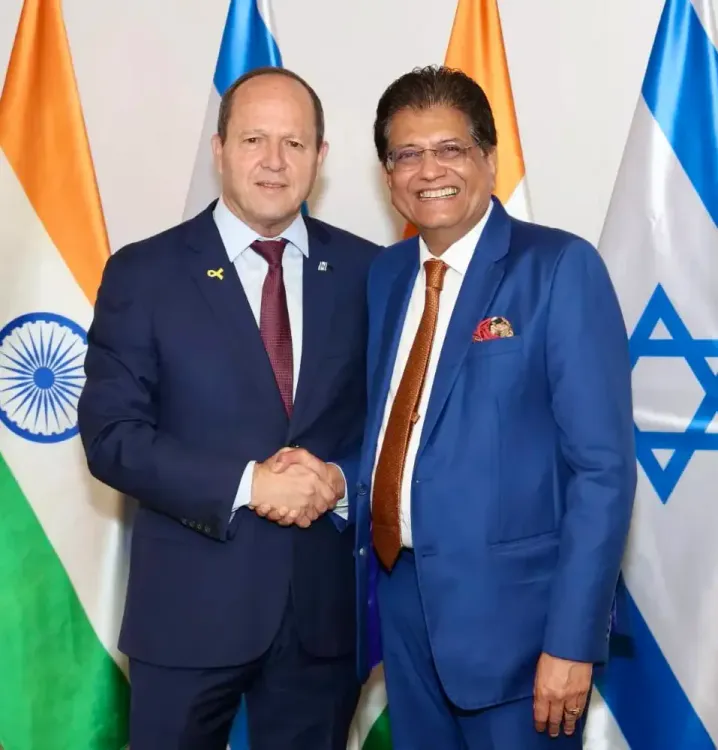
India’s Commerce Minister Piyush Goyal and Israel's Economy Minister Nir Barkat signed the terms of reference document in Tel Aviv in November, officially initiating talks for a comprehensive agreement aimed at enhancing trade, investment, and collaboration in sectors such as technology, defense, and agriculture. These agreements will serve as a foundation for discussions on a balanced, comprehensive FTA, further strengthening economic ties and market accessibility.
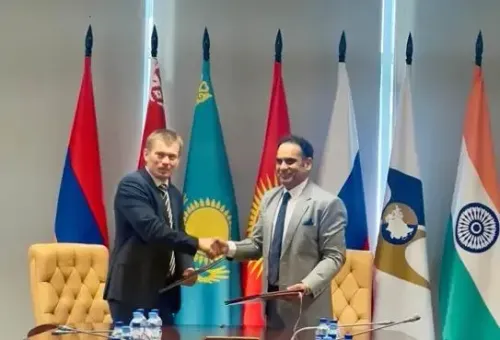
Additionally, India's trade delegation is anticipated to visit Russia for a second round of negotiations concerning the India-EAEU free trade agreement, scheduled after the Union Budget is unveiled on February 1.
The Eurasian Economic Union (EAEU) comprises five member nations: Russia, Belarus, Kazakhstan, Armenia, and Kyrgyzstan, fostering the free movement of goods, services, capital, and labor, while striving to enhance economic integration and competitiveness among its members through standardized customs and policies.
Russia has already eased import regulations for Indian marine products and is set to further relax standards to facilitate additional shipments.
The forthcoming trade discussions will concentrate on mitigating non-tariff barriers for Indian goods entering the EAEU market.
Currently, Indian exporters grapple with regulatory overlaps among Russian, EAEU, and European regulations, which India aims to eliminate. The goal is to provide clear guidelines for exporting products that require labeling in Russian both within and outside packages.
India and Russia are targeting to elevate their trade beyond energy resources and set a goal of achieving $100 billion by 2030, with a focus on dismantling trade barriers and improving connectivity for seamless commerce.
Point of View
These advanced trade negotiations highlight India's proactive approach to strengthening economic ties with key global partners. The focus on eliminating trade barriers and enhancing cooperation in various sectors showcases India's commitment to fostering robust international relations.
NationPress
23 Sept 2026
Frequently Asked Questions
What is the purpose of the trade talks between India and Israel?
The trade talks aim to establish a comprehensive FTA to enhance trade, investment, and cooperation in various sectors.
What is the significance of the India-EAEU free trade agreement?
The EAEU agreement seeks to facilitate the free movement of goods and services among member countries, promoting economic integration.
When is the next round of talks scheduled?
The next round of talks with Israel is expected in January, while discussions with Russia will occur after the Union Budget presentation on February 1.
How does this affect Indian exporters?
The negotiations aim to reduce non-tariff barriers, making it easier for Indian exporters to access the EAEU market.
What trade target has India set with Russia?
India and Russia are aiming to achieve $100 billion in trade by 2030.