India targets 100 GW nuclear power by 2047; Tripura gets ₹1,200 crore urban push
Synopsis
India has set an audacious target of 100 GW of nuclear power by 2047 — more than ten times current operational capacity — with private-sector participation flagged as the key unlock. Union Minister Khattar's Agartala visit also put a spotlight on Tripura's struggling power utility, TSECL, which carries ₹800 crore in losses and 26% distribution losses, even as the state eyes ₹1,200 crore in fresh urban investment.
Key Takeaways
India targets 100 GW nuclear power by 2047 , up from the current 8 GW operational and 9 GW under construction.
Peak electricity demand hit an all-time high of 270.8 GW on 21 May 2025 ; total capacity to rise from 283 GW to nearly 300 GW next year.
Tripura to receive urban infrastructure projects worth ₹1,200 crore within two months , part of a ₹4 lakh crore national programme.
TSECL carries accumulated losses of ₹800 crore and distribution losses of 26% ; a one-time restructuring package is under discussion.
A tender for a 200 MW solar project in Tripura has been floated; 1–2 lakh rooftop solar installations targeted by March 2027 under PM Surya Ghar Yojana.
New tenders for key transmission lines in Tripura to be floated shortly under the RDSS framework.
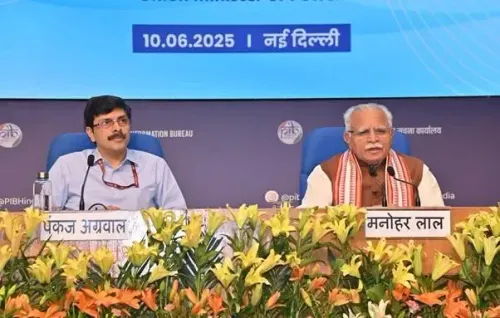
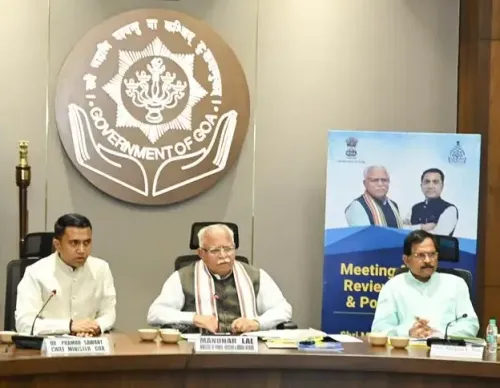
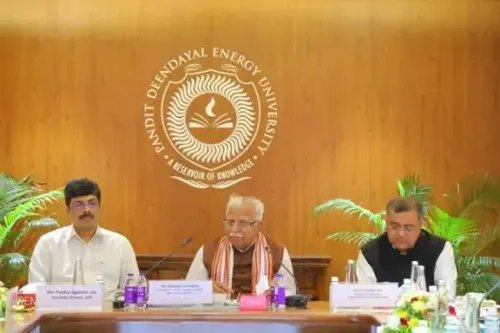
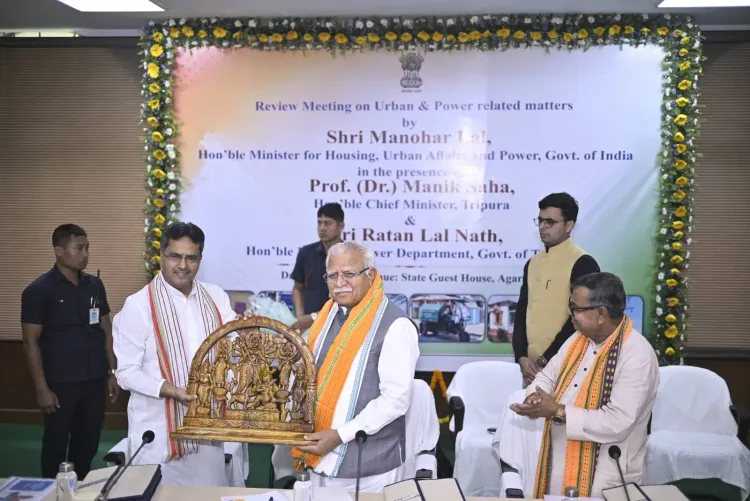
Union Minister for Housing and Urban Affairs and Power Manohar Lal Khattar on Sunday, 1 June 2025, announced that India is targeting 100 GW of nuclear power capacity by 2047, while unveiling urban infrastructure and power sector investments worth approximately ₹1,200 crore for Tripura. The announcements came after a high-level review meeting in Agartala with Tripura Chief Minister Manik Saha and state Power Minister Ratan Lal Nath.
India's Power Capacity Ambitions
Khattar told reporters that India recorded an all-time high peak electricity demand of 270.8 GW on 21 May 2025, underlining the urgency of expanding generation infrastructure. The Centre plans to scale total power generation capacity from the current 283 GW to nearly 300 GW within the next year, driven by surging demand from industrial growth, data centres, electric vehicles, and households.
A comprehensive power adequacy plan has been drawn up through 2029–30, accounting for projected demand and contributions from thermal, solar, hydro, nuclear, and other renewable sources, the minister said.
Nuclear Energy: From 8 GW to 100 GW
Nuclear power is central to India's long-term energy security strategy, according to Khattar. The country currently generates around 8 GW of nuclear power, with another 9 GW under construction. The government has set a target of achieving 100 GW by 2047 — coinciding with India's centenary of independence — through policy reforms and greater private-sector participation. This would represent more than a ten-fold increase from current operational capacity.
Notably, unlocking private investment in nuclear energy has been a long-debated structural reform. Critics have argued that regulatory and liability frameworks have historically deterred private players, making the 100 GW target contingent on legislative changes that are yet to be fully enacted.
Tripura: Urban Projects and Solar Targets
On the urban development front, Khattar announced that Tripura is expected to receive projects worth around ₹1,200 crore within the next two months, as part of a nationwide urban infrastructure programme involving investments of nearly ₹4 lakh crore.
For renewable energy, the minister highlighted Tripura's solar potential despite limited hydropower resources. A tender has already been floated for a 200 MW solar project, while under the PM Surya Ghar Yojana, between 1 lakh and 2 lakh rooftop solar installations are targeted by March 2027.
TSECL's Financial Strain
Khattar expressed concern over the financial health of the Tripura State Electricity Corporation Limited (TSECL), which carries accumulated losses of about ₹800 crore and transmission and distribution losses of around 26 per cent — well above the national average. Discussions were held with Chief Minister Saha on a one-time financial restructuring package for the utility.
The minister stressed the need to reduce power theft, identify illegal connections, and accelerate smart meter installation to improve revenue collection and operational efficiency. Progress under PM-KUSUM and the PM Surya Ghar: Muft Bijli Yojana (PMSGMBY) was also reviewed.
What the Minister Said on X
Taking to his official account on X (formerly Twitter), Khattar said: 'Detailed deliberations were held on key issues concerning the Swachh Bharat Mission and the State's power sector. Our extensive discussions focused on the implementation of RDSS (Revamped Distribution Sector Scheme), smart metering and transmission planning.' He added that special emphasis was placed on strengthening power infrastructure, improving DISCOM efficiency, reducing AT&C (Aggregate Technical and Commercial) losses, and accelerating rooftop solar adoption.
Power Minister Nath described the review as 'highly productive', saying it covered modernisation of power infrastructure, service quality improvements, and consumer-friendly initiatives. New tenders for key transmission lines are expected to be floated shortly to meet Tripura's future power requirements.
With nuclear ambitions scaled to 100 GW and northeast India's grid infrastructure under active review, the Centre's energy roadmap will face its real test in execution timelines and private-sector uptake over the next two years.
Point of View
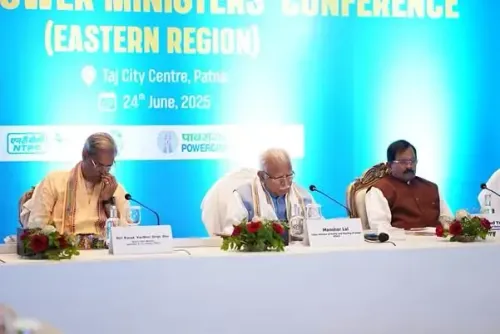
But it rests on a policy foundation that does not yet fully exist. Private-sector participation in nuclear power has been stalled for over a decade by liability provisions under the Civil Liability for Nuclear Damage Act — a structural barrier the minister did not address. Meanwhile, the TSECL situation in Tripura is a microcosm of a wider DISCOM crisis: 26% distribution losses and ₹800 crore in accumulated debt are not outliers but a pattern repeated across smaller state utilities. Announcing restructuring packages without binding reform conditionalities has historically produced little change. The real question is whether this review translates into enforceable milestones or remains a well-photographed meeting.
NationPress
19 Sept 2026
Frequently Asked Questions
What is India's nuclear power target by 2047?
India aims to achieve 100 GW of nuclear power capacity by 2047 , compared to around 8 GW currently operational and 9 GW under construction. The government plans to reach this target through policy reforms and greater private-sector participation in the nuclear energy sector.
Why is private-sector participation important for India's nuclear target?
Scaling nuclear capacity to 100 GW requires investment far beyond what public-sector entities alone can mobilise. Critics have long argued that India's existing liability framework has deterred private players, meaning legislative and regulatory reforms will be essential before private capital flows into the sector at scale.
What urban projects is Tripura set to receive?
Tripura is expected to receive urban infrastructure projects worth approximately ₹1,200 crore within the next two months , as part of a nationwide urban infrastructure programme with a total investment of nearly ₹4 lakh crore .
What is the financial condition of TSECL?
The Tripura State Electricity Corporation Limited (TSECL) is burdened with accumulated losses of about ₹800 crore and transmission and distribution losses of around 26% . The Centre is in discussions with the state government on a one-time financial restructuring package for the utility.
What are Tripura's solar energy targets?
A tender for a 200 MW solar project has already been floated in Tripura. Under the PM Surya Ghar Yojana , between 1 lakh and 2 lakh rooftop solar installations are targeted across the state by March 2027 .