India GDP grows 7.8% in Q1 2026-27 despite global headwinds: RBI Bulletin
Synopsis
India clocked 7.8% GDP growth in Q1 2026-27 even as crude oil prices surged on West Asia tensions and global markets turned volatile — and the RBI's September Bulletin says foreign exchange reserves hit a record high. The real question is whether rising inflation and geopolitical risk will force the central bank to pivot before the growth momentum stalls.
Key Takeaways
India's GDP grew 7.8% in Q1 2026-27 , according to the RBI's September 2026 Bulletin .
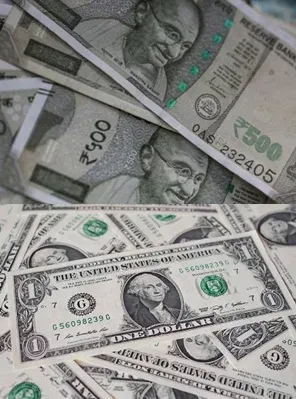
Foreign exchange reserves reached an all-time high , supported by strong FDI flows and a moderate current account deficit.
Headline CPI inflation rose to 4.8% in August 2026 , driven by food, beverages, fuel, and core components.
System liquidity remained in surplus following strong FCNR(B) deposit inflows , which could support continued credit growth.
Re-escalating geopolitical tensions in West Asia and a sharp rise in crude oil prices are flagged as key downside risks.
High-frequency indicators through August 2026 showed sustained demand across industry and services sectors.
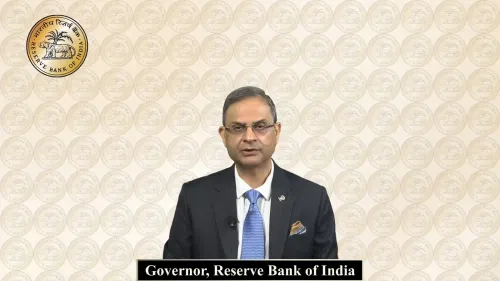
The Indian economy grew at a robust 7.8% in Q1 2026-27, demonstrating sustained resilience even as geopolitical tensions and rising energy prices weighed on global growth, according to the Reserve Bank of India (RBI)'s September 2026 Bulletin released on Friday, 25 September. High-frequency indicators through August 2026 confirmed that domestic demand held firm across key segments of industry and services.
Macroeconomic Snapshot: Growth and Trade
Strong export performance helped narrow the merchandise trade deficit during the quarter, easing external pressure on the balance of payments. The current account deficit in Q1 2026-27 remained moderate, providing further macroeconomic comfort. Notably, robust Foreign Direct Investment (FDI) flows reinforced the external sector's stability, even as global capital markets turned volatile.
Forex Reserves at Record High
Foreign exchange reserves climbed to an all-time high during the period, the Bulletin noted — a significant buffer against external shocks. System liquidity remained in surplus, driven by strong inflows from FCNR(B) deposits. The RBI indicated that the resulting deposit growth could sustain ongoing credit expansion across the banking system.
Inflation Ticks Up in August
Headline CPI inflation rose to 4.8% in August 2026, edging up from recent levels, led by the food and beverages group alongside a pickup in fuel and core components. Core inflation, excluding precious metals, also increased from the ultra-low levels recorded in recent months. The uptick, while notable, has not yet breached the RBI's upper tolerance band.
Global Risks: West Asia and Energy Prices
The RBI flagged re-escalating geopolitical tensions in West Asia as the primary external threat, warning that the conflict has triggered a sharp increase in crude oil prices and reignited concerns over disruptions to global supply chains. Rising sovereign yields in major advanced economies have added to pressure on government finances globally. The Bulletin cautioned that geopolitical developments and weather-related uncertainties remain key downside risks to India's near-term outlook.
Outlook: Resilience Intact, Risks Monitored
Despite this challenging backdrop, the RBI assessed that India's financial and external sectors continue to draw strength from the real economy. Analysts note that a 7.8% GDP print amid such global turbulence positions India as one of the fastest-growing major economies in the current cycle. The central bank's next monetary policy decision will be closely watched for signals on how it weighs persistent inflation against the need to sustain growth momentum.
Point of View
But the RBI Bulletin's own inflation and crude oil warnings tell a more complicated story. With CPI at 4.8% and core inflation climbing off ultra-low levels, the central bank's room for any accommodative signalling is narrowing. The record forex reserves are a genuine structural positive — but crude oil sensitivity remains India's perennial vulnerability, and West Asia's renewed turbulence is not a routine supply shock. The Bulletin's tone is confident; the risk register underneath it is not.
NationPress
25 Sept 2026
Frequently Asked Questions
What GDP growth did India record in Q1 2026-27?
India recorded GDP growth of 7.8% in Q1 2026-27, according to the RBI's September 2026 Bulletin. High-frequency indicators through August 2026 confirmed that demand remained sustained across industry and services sectors.
Why did India's inflation rise in August 2026?
Headline CPI inflation rose to 4.8% in August 2026, driven by the food and beverages group alongside a pickup in fuel and core components. Core inflation, excluding precious metals, also increased from ultra-low recent levels, signalling broad-based price pressures.
What is the significance of India's foreign exchange reserves hitting an all-time high?
Record forex reserves act as a critical buffer against external shocks, including currency volatility and sudden capital outflows. The RBI Bulletin attributed this milestone to strong FDI inflows and surplus system liquidity driven by FCNR(B) deposit flows.
How is the situation in West Asia affecting the Indian economy?
Re-escalating conflict in West Asia has led to a sharp rise in crude oil prices, raising concerns about global supply chain disruptions and inflationary pressures. The RBI identified geopolitical tensions and weather-related uncertainties as the key downside risks to India's near-term growth outlook.
What is an FCNR(B) deposit and why does it matter for India's liquidity?
FCNR(B) — Foreign Currency Non-Resident (Bank) — deposits are foreign-currency accounts held by non-resident Indians in Indian banks. Strong inflows into these accounts boosted system liquidity in Q1 2026-27, which the RBI said could support ongoing credit growth across the banking sector.