India-Israel FTA talks: Two more rounds due, clarity expected by February 2027
Synopsis
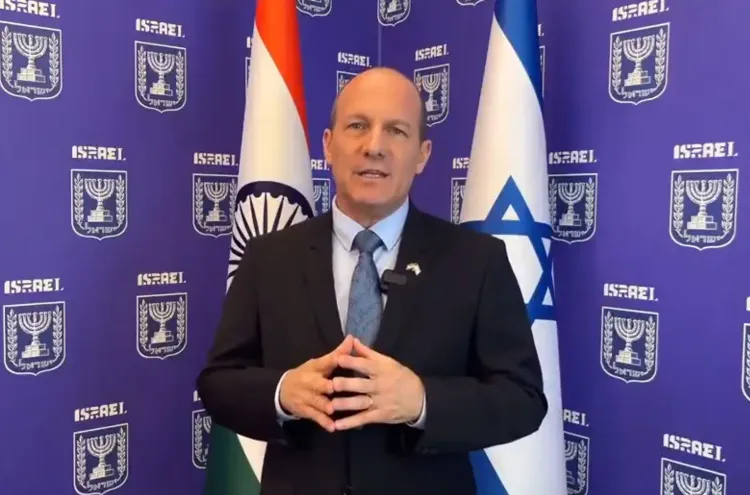
Israeli Ambassador Reuven Azar has put a firm timeline on the India-Israel FTA — two more rounds by February 2027. But the real story isn't tariffs: it's high-tech. With market-access gaps proving tricky to bridge, both sides appear to be betting on innovation and technology cooperation as the deal's defining value proposition.
Key Takeaways
Israeli Ambassador Reuven Azar confirmed two more FTA negotiation rounds — one in October and a final round by February 2027 .
The second round of negotiations was completed last month, following terms of reference agreed at the end of 2024 .
Bridging market access gaps is described as challenging, as Israel has already lowered its tariffs and the two economies differ considerably in size.
Azar identified high-tech cooperation as the area with the greatest potential for expanding bilateral economic ties.
Greater innovation collaboration could encourage Israeli companies to operate more freely in the Indian market, the envoy said.
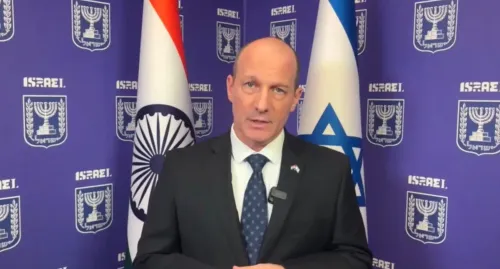
Israeli Ambassador to India Reuven Azar said on 18 August that India and Israel expect two additional rounds of negotiations on their proposed free trade agreement (FTA), with both sides likely to have a clear picture of the pact's contours by February 2027. The disclosure offers the most concrete timeline yet for a bilateral trade deal that has been in the works since the two countries agreed on terms of reference late last year.
Negotiation Timeline
According to Azar, the second round of FTA negotiations was completed last month, building on the terms of reference finalised at the end of 2024. 'We expect to have two more rounds, one in October and probably the last one by February and I think that by then we will know exactly where we stand,' he said.
The structured four-round framework suggests both governments are treating the FTA as a priority track rather than a long-cycle diplomatic exercise. Notably, this comes at a time when India is actively expanding its trade agreement portfolio, having concluded deals with the UAE and Australia in recent years.
Market Access and Key Challenges
Discussions so far have centred on traditional market access issues, along with areas such as reciprocal buybacks and bilateral cooperation, Azar said. He acknowledged that bridging the market access gap would be challenging, given that Israel has already substantially lowered its tariffs and the two economies differ considerably in scale — India's GDP dwarfs Israel's by a wide margin.
The asymmetry in market size means that concessions will need to be carefully calibrated to ensure a commercially meaningful outcome for both sides, analysts have noted. This is a common friction point in FTAs between large emerging markets and smaller, high-income economies.
High-Tech Cooperation: The Biggest Opportunity
Despite the market access complexities, the Israeli envoy identified high-tech cooperation as the area with the greatest untapped potential. 'The greatest potential, I think, lies in high-tech cooperation,' Azar said. He added that deeper innovation collaboration could encourage Israeli companies to operate more freely within the Indian market, potentially unlocking investment flows beyond the scope of a conventional goods-and-services trade pact.
Israel is globally recognised for its defence technology, agri-tech, cybersecurity, and water management innovations — sectors where India has expressed strong interest in bilateral collaboration.
Broader Bilateral Context
The FTA talks are part of a broader effort by India and Israel to deepen their economic and technology partnership. In May, Azar had outlined six core values underpinning the relationship: civilisational resilience, the fight against terrorism, democratic values, innovation and competitiveness, religious tolerance, and inclusive development. He stressed the need to translate shared values into greater cooperation and investment, remarks he shared on social media platform X.
With the next negotiating round expected in October and a final round by February 2027, the coming months will be decisive in determining whether the two sides can bridge their differences and deliver a deal that goes beyond market access to encompass the high-tech partnership both governments have long envisioned.
Point of View
And India's market is vastly larger, making symmetrical concessions difficult to design. The pivot to high-tech cooperation is smart framing, but innovation partnerships are notoriously harder to codify in treaty language than tariff schedules. If the FTA ends up being thin on goods and services but rich on technology clauses, it will still be a meaningful upgrade — but it won't be the comprehensive trade deal the headline implies.
NationPress
18 Aug 2026
Frequently Asked Questions
What is the current status of the India-Israel FTA negotiations?
As of August 2027, India and Israel have completed two rounds of FTA negotiations. Two more rounds are scheduled — one in October and a final round by February 2027 — after which both sides expect to have a clear picture of where the deal stands.
When is the India-Israel free trade agreement expected to be finalised?
Israeli Ambassador Reuven Azar indicated that by February 2027, both countries should know the precise shape of the agreement. A formal signing timeline has not yet been announced.
What are the main challenges in the India-Israel FTA talks?
Bridging the market access gap is the primary challenge, as Israel has already significantly lowered its tariffs while the two economies differ considerably in size. Calibrating concessions that are commercially meaningful for both sides is a key sticking point.
Why is high-tech cooperation important to the India-Israel FTA?
Ambassador Azar described high-tech cooperation as the area with the greatest potential for expanding bilateral economic ties. Greater innovation collaboration could encourage Israeli firms — known for strengths in defence technology, cybersecurity, agri-tech, and water management — to operate more freely in India.
What values underpin the India-Israel bilateral relationship?
In May, Ambassador Azar outlined six core values: civilisational resilience, the fight against terrorism, democratic values, innovation and competitiveness, religious tolerance, and inclusive development. He stressed translating these shared values into greater cooperation and investment.