India notifies 405 defence items worth ₹3,070 crore for local production
Synopsis
India's sixth Positive Indigenisation List adds 405 defence items — from Su-30MKI spares to MRSAM missile components — worth ₹3,070 crore to the domestic manufacturing pipeline. Combined with over 15,700 items already indigenised and ₹9,000 crore in import substitution achieved, the push signals a structural, not symbolic, shift in how India arms itself.
Key Takeaways
The Department of Defence Production notified the sixth Positive Indigenisation List on 18 August 2026 , covering 405 items.
Estimated business potential of the list is ₹3,070 crore ; it includes 389 DPSU items and 16 Indian Coast Guard items.
Platforms covered include the Su-30MKI , Light Combat Aircraft , T-90 , BMP-II , and missile systems such as MRSAM and Konkurs-M .
More than 15,700 defence items have been successfully indigenised to date, yielding import substitution worth roughly ₹9,000 crore over five years.
Defence PSUs have placed domestic procurement orders worth approximately ₹10,000 crore on Indian vendors up to March 2026 .
All items are listed on the SRIJAN Defence Portal , which has facilitated offers of over 33,000 items since its launch in August 2020 .
The Department of Defence Production on 18 August 2026 notified the sixth Positive Indigenisation List — a catalogue of 405 strategically critical defence items carrying an estimated business potential of ₹3,070 crore — marking the government's latest push to deepen indigenous manufacturing and cut import dependence under the Aatmanirbhar Bharat initiative. The Defence Ministry issued the notification on Tuesday.
What the List Covers
The sixth list spans line replaceable units, sub-systems, sub-assemblies, spares, components, and raw materials. Of the 405 items, 389 belong to Defence Public Sector Undertakings (DPSUs) and 16 to the Indian Coast Guard.
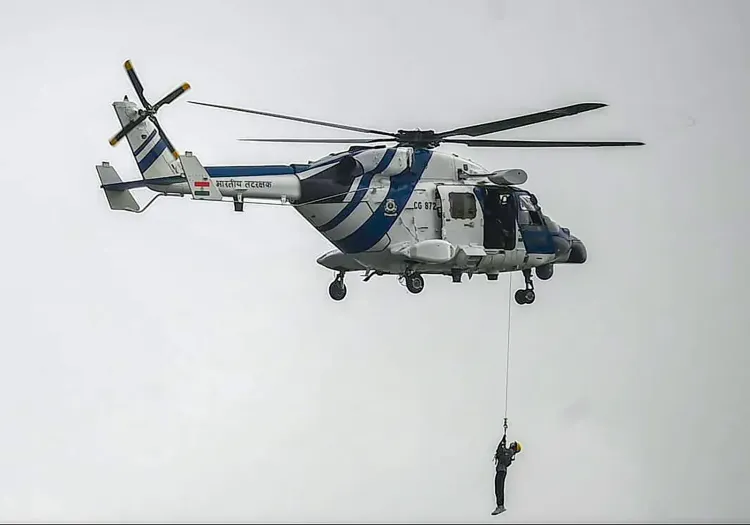
Air platforms feature prominently — items relate to the Advanced Light Helicopter, Light Utility Helicopter, Su-30MKI, Light Combat Aircraft, and the AL-31FP Engine used by the Indian Air Force. Armoured platforms for the Indian Army, including the T-72, T-90, and BMP-II, are also included.
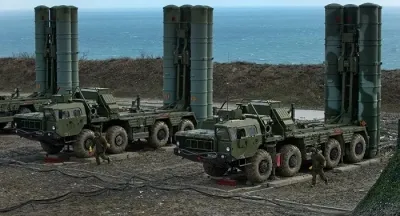
Beyond platforms, the list encompasses warship missile systems such as Konkurs-M, Invar, and MRSAM, defence electronics covering radars, sonars, fire control systems, and satellite communication systems, as well as high explosive anti-tank ammunition and other critical equipment.
How Indigenisation Will Proceed
Each item on the list carries an indicative timeline for indigenous development. Once developed domestically, procurement will shift exclusively to Indian industry. Defence PSUs and the Indian Coast Guard will pursue indigenisation through their 'Make' procedure, in-house development, and industry partnerships — with a specific emphasis on MSMEs and startups.
The detailed list is publicly accessible on the SRIJAN Defence Portal, launched in August 2020 as a dedicated platform connecting defence PSUs and Service Headquarters with Indian industry for indigenous development and production.
The Broader Indigenisation Record
The SRIJAN portal has facilitated the offer of more than 33,000 defence items for indigenisation by DPSUs and Service Headquarters up to June 2026. This includes 5,012 items notified across the first five Positive Indigenisation Lists. More than 15,700 items have been successfully indigenised to date, generating an estimated import substitution value of approximately ₹9,000 crore over the past five years.
In addition, defence PSUs have placed procurement orders — including in-house production — worth roughly ₹10,000 crore on domestic vendors up to March 2026. This comes amid sustained government pressure on the defence establishment to reduce reliance on foreign suppliers, a vulnerability that strategic planners have flagged repeatedly since the Kargil War of 1999.
Significance and What Comes Next
Notably, the sixth list arrives as India's defence exports have themselves scaled up sharply in recent years, making domestic production capacity a dual-use asset — both for self-sufficiency and for the export pipeline. Industry bodies and MSMEs will now be expected to respond to the SRIJAN portal with development proposals against the indicative timelines attached to each item.
The success of this list, like its predecessors, will ultimately be measured by how many of the 405 items transition from import-dependent to indigenously sourced within the stipulated windows — a conversion rate that analysts will be watching closely.
Point of View
But the harder question is conversion velocity — how fast do notified items actually become indigenised ones. The gap between the 33,000-plus items offered on SRIJAN and the roughly 15,700 successfully indigenised suggests a pipeline with significant drag. MSMEs, repeatedly cited as the intended beneficiaries, often lack the capital and testing infrastructure to meet defence-grade specifications within the indicative timelines. Without dedicated financing windows or fast-track quality certification, the list risks becoming a target sheet that looks ambitious on paper but moves slowly in practice.
NationPress
18 Aug 2026
Frequently Asked Questions
What is India's sixth Positive Indigenisation List?
It is a government-notified catalogue of 405 strategically important defence items — spanning spares, sub-systems, components, and raw materials — with a combined business potential of ₹3,070 crore, released by the Department of Defence Production on 18 August 2026. Once these items are indigenously developed, procurement will shift entirely to Indian industry.
Which defence platforms are covered in the sixth list?
The list covers a wide range of platforms including the Su-30MKI, Light Combat Aircraft, Advanced Light Helicopter, and AL-31FP Engine for the Indian Air Force, as well as T-72, T-90, and BMP-II armoured vehicles for the Indian Army. Missile systems such as MRSAM, Konkurs-M, and Invar, along with radars, sonars, and satellite communication systems, are also included.
How does the SRIJAN portal support defence indigenisation?
The SRIJAN Defence Portal, launched in August 2020, is a dedicated platform through which defence PSUs and Service Headquarters list items available for indigenous development by Indian industry, including MSMEs and startups. As of June 2026, it has facilitated offers of more than 33,000 defence items for indigenisation.
What has been achieved under previous indigenisation lists?
More than 15,700 defence items have been successfully indigenised to date, generating an estimated import substitution value of approximately ₹9,000 crore over five years. Defence PSUs have also placed domestic procurement orders worth around ₹10,000 crore on Indian vendors up to March 2026. The first five Positive Indigenisation Lists together covered 5,012 items.
Who benefits from the Positive Indigenisation Lists?
Indian private industry — particularly MSMEs and startups — stands to benefit most directly, as the lists open up defence procurement exclusively to domestic producers once items are indigenously developed. Broader beneficiaries include the domestic defence manufacturing ecosystem, which gains investment, innovation incentives, and long-term procurement contracts.