India, Japan Air Chiefs fly Tejas at Veer Guardian 2026 in Jodhpur
Synopsis
For the first time in history, JASDF jets are training on Indian soil — and both air chiefs sealed the moment by personally flying the indigenous Tejas fighter over Jodhpur. Veer Guardian 2026 is less a routine bilateral drill and more a visible realignment of Indo-Pacific air power, with Rafales, Sukhois, and F-2As sharing the same sky.
Key Takeaways
IAF chief Air Chief Marshal A.P.
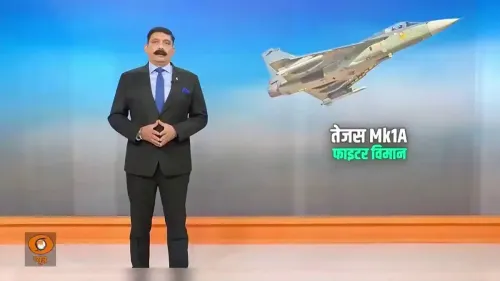
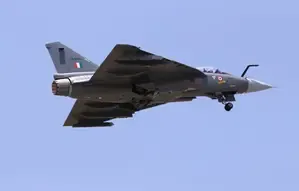
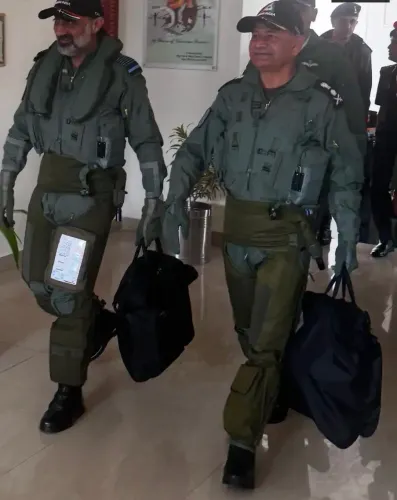
Singh and JASDF chief General Takehiro Morita flew India's Tejas fighter on 20 September 2026 at Jodhpur Air Force Station .
The flight came during Veer Guardian 2026 , running from 9 September to 22 September 2026 .
This is the first time JASDF fighter aircraft have participated in a joint exercise conducted in India.
India has deployed Tejas , Sukhoi-30 MKI , and Rafale ; Japan has fielded F-2A jets.
The exercise focuses on aerial combat simulations , air strike missions, and building operational interoperability between the two air forces.
Air Chief Marshal A.P. Singh, Chief of the Indian Air Force (IAF), and General Takehiro Morita, Chief of Staff of the Japan Air Self-Defense Force (JASDF), flew India's indigenously developed Tejas fighter aircraft on Sunday, 20 September 2026, at Jodhpur Air Force Station. The symbolic flight came during the closing phase of joint air exercise 'Veer Guardian 2026', signalling deepening defence ties between the two nations.
A Historic First for India-Japan Air Exercises
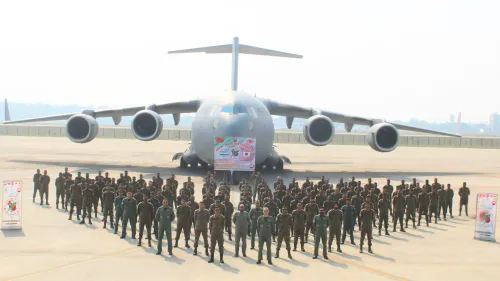
The joint exercise, which commenced on 9 September 2026 and is scheduled to conclude on 22 September 2026, marks the first time that JASDF fighter aircraft have participated in a joint training exercise held on Indian soil. The milestone elevates the bilateral defence relationship to a new operational plane, moving beyond dialogue and into shared combat training.
Both air chiefs boarding the Tejas together is more than a ceremonial gesture — it is a deliberate statement of mutual confidence in India's indigenous aerospace capability, coming at a time when the Tejas programme is seeking international partnerships and export orders.
Aircraft and Combat Scenarios
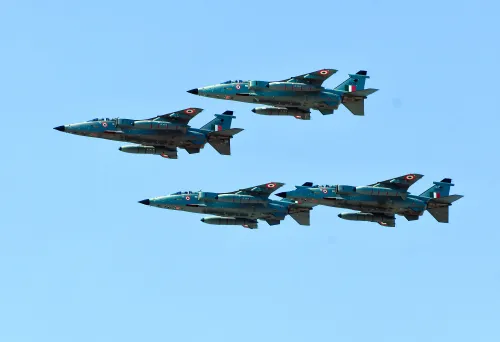
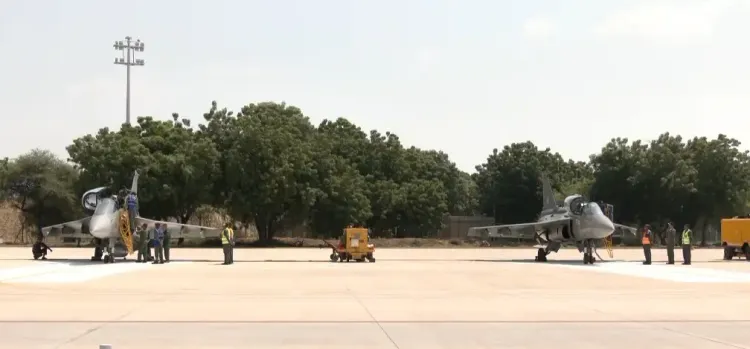
The exercise has featured a formidable mix of frontline fighters from both sides. India has fielded the LCA Tejas, Sukhoi-30 MKI, and Rafale, while Japan has deployed its F-2A fighter jets. During the final phase, both air forces have been practising air strike missions, simulated aerial combat, and a range of joint operational activities designed to stress-test interoperability.
Pilots and air warriors from both nations have exchanged insights into each other's operational procedures and combat tactics, with enhanced coordination during joint operations identified as a core objective of the exercise.
What the Exercise Signals for India-Japan Defence Ties
The Veer Guardian series reflects a broader strategic convergence between India and Japan — two Indo-Pacific democracies that have steadily deepened security cooperation under frameworks such as the Quad. Hosting JASDF jets on Indian territory for the first time underscores New Delhi's ambition to anchor Japan more firmly in its regional security architecture.
Notably, the exercise coincides with India's push to position the Tejas as a credible export platform. Having a foreign air force chief personally fly the aircraft — and in a live exercise context — provides a form of operational endorsement that no air show demonstration can fully replicate.
Operational Takeaways from Veer Guardian 2026
According to officials, both air forces have used the exercise to develop operational synergy and mutual understanding for potential future joint operations. The realistic combat-like scenarios created during Veer Guardian have allowed each side to assess the other's strengths and adapt tactics accordingly.
With the exercise wrapping up on 22 September, both countries are expected to debrief findings and likely chart the course for a future edition of the exercise, potentially on Japanese soil.
Point of View
It provides the Tejas programme with rare operational credibility in front of a foreign military audience at a time when export prospects hang on exactly this kind of real-world endorsement. For Japan, participating in a first-ever exercise on Indian soil reflects a meaningful strategic shift in how Tokyo calibrates its Indo-Pacific partnerships beyond the US alliance umbrella. What mainstream coverage underplays is the quiet institutionalisation underway: Veer Guardian is building the interoperability scaffolding that deeper security commitments — joint operations, shared logistics, potential arms transfers — will eventually require. The real question is how fast both governments are willing to convert these aerial handshakes into binding defence agreements.
NationPress
20 Sept 2026
Frequently Asked Questions
What is the Veer Guardian 2026 exercise?
Veer Guardian 2026 is a bilateral joint air exercise between the Indian Air Force and Japan Air Self-Defense Force being held at Jodhpur Air Force Station from 9 to 22 September 2026. It is the first time JASDF fighter aircraft have participated in a joint training exercise conducted on Indian soil.
Why did the IAF and JASDF chiefs fly the Tejas?
Air Chief Marshal A.P. Singh and General Takehiro Morita flew the Tejas on 20 September 2026 to underscore the deepening defence and operational cooperation between India and Japan. The flight also served as a high-profile showcase of India's indigenous fighter aircraft capability during a live multilateral exercise.
Which aircraft are participating in Veer Guardian 2026?
India has fielded the LCA Tejas, Sukhoi-30 MKI, and Rafale, while Japan has deployed its F-2A fighter jets. Both air forces are using these aircraft in simulated combat scenarios, air strike missions, and joint operational activities.
Why is Veer Guardian 2026 historically significant?
It marks the first time that Japan Air Self-Defense Force fighter jets have taken part in a joint training exercise held in India. The development reflects growing strategic convergence between India and Japan within the broader Indo-Pacific security framework, including their shared participation in the Quad.
What happens after Veer Guardian 2026 concludes?
The exercise concludes on 22 September 2026, after which both air forces are expected to conduct a detailed operational debrief. The insights gained are likely to inform planning for future editions of the exercise and could accelerate broader India-Japan defence cooperation initiatives.