India to keep buying Russian oil after US waiver expires
Synopsis
India's Petroleum Ministry has made its position unambiguous: US sanctions waivers on Russian crude are irrelevant to New Delhi's buying decisions. With imports expected near a record 1.9 million barrels per day in May and Brent above $100, India's energy calculus leaves little room for geopolitical deference — and the lapsed Trump-era waiver changes nothing on the ground.
Key Takeaways
Joint Secretary Sujata Sharma confirmed on 18 May that India will continue buying Russian crude regardless of US sanctions waivers.
A US Treasury general licence permitting Russian seaborne crude transactions expired on 16 May — the second lapse under the Trump administration .
India's Russian oil imports are expected to average near-record 1.9 million barrels per day in May 2025 , according to Kpler data.
Benchmark Brent crude has crossed $100 per barrel ; India's bulk purchases have reportedly helped moderate global prices.
Analysts expect tighter documentation and cargo screening but no structural shift away from Russian crude in the near term.
India will continue purchasing Russian crude oil irrespective of US sanctions or waivers, a senior Petroleum Ministry official confirmed on Monday, 18 May, citing commercial viability and the country's energy security priorities. The statement comes days after a temporary US sanctions waiver on Russian seaborne crude lapsed on 16 May — the second time the Trump administration has allowed such relief to expire without announcing an extension.
What the Government Said
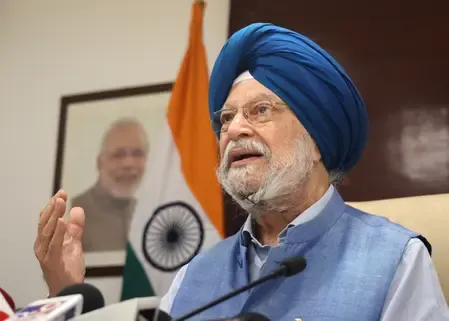
Joint Secretary Sujata Sharma of the Petroleum Ministry told reporters at a media briefing that India's crude sourcing decisions have never been contingent on American policy relief. 'Regarding the American waiver on Russia, I would like to emphasise that we have been purchasing oil from Russia earlier... before waiver also, during waiver also, and now also,' she said. Sharma added that commercial logic, not geopolitical signalling, drives India's import decisions. 'It is basically the commercial sense which should be there for us to purchase,' she noted, stressing that crude supply availability remains adequate and that sufficient volumes are locked in through long-term arrangements.
The Waiver That Lapsed
The general licence permitting transactions linked to Russian seaborne crude was first issued by the US Treasury Department in mid-March and extended once in April. It was designed to ease pressure on global energy markets and temper soaring crude prices amid the ongoing Iran war. Its expiry on 16 May without a fresh extension marks the second such lapse under the current US administration, leaving Indian refiners and traders navigating an uncertain compliance landscape.
Scale of India's Russian Oil Purchases
India, the world's third-largest oil importer, sharply ramped up purchases of Russian crude after 2022 to capitalise on steep price discounts, helping domestic refiners manage elevated global energy costs. Russian oil imports into India are expected to average close to record levels at 1.9 million barrels per day in May 2025, according to data from Kpler — figures that include shipments covered under the now-expired waiver. Notably, India's large-volume purchases have also reportedly helped cool global oil prices by easing aggregate demand pressure, even as benchmark Brent crude has crossed $100 per barrel.
Sanctions Pressure and Market Adjustments
In recent months, the US sanctioned several Russian entities, including major crude suppliers Rosneft and Lukoil, as well as associated vessels and financial channels. This triggered a brief moderation in Indian purchases last year, but the subsequent waivers prompted Indian refiners to step purchases back up. Analysts now say India is unlikely to structurally shift away from Russian crude in the near term. More documentation requirements and tighter cargo screening are anticipated rather than any fundamental change in sourcing strategy.
What Happens Next
With the waiver now gone and no clarity on a fresh extension, Indian refiners will need to navigate tighter compliance checks on payments, shipping, and insurance. However, given the government's unambiguous stance on energy security and commercial pragmatism, a significant reduction in Russian crude volumes appears unlikely in the immediate term. The situation will be closely watched by global energy markets, particularly as Brent trades above $100 per barrel.
Point of View
Not merely reactive. By publicly stating that waivers never drove the decision, New Delhi is signalling to Washington that energy policy is non-negotiable — a posture that has hardened since 2022. The real tension is compliance risk: with Rosneft and Lukoil sanctioned and the waiver gone, Indian refiners face real exposure on payments and shipping insurance, even if the government's political line holds firm. Analysts pointing to 'more documentation' rather than a sourcing shift are essentially describing a managed ambiguity — one that works until a major refiner faces secondary-sanction consequences. That is the story mainstream coverage is underplaying.
NationPress
23 Sept 2026
Frequently Asked Questions
Why is India continuing to buy Russian oil despite US sanctions?
India is buying Russian crude on commercial and energy security grounds, according to Petroleum Ministry Joint Secretary Sujata Sharma. The government's position is that US sanctions waivers never determined its purchasing decisions, and commercial viability remains the primary criterion.
What was the US sanctions waiver on Russian oil and when did it expire?
The US Treasury Department issued a general licence permitting transactions linked to Russian seaborne crude, first in mid-March and extended once in April. It expired on 16 May — the second time the Trump administration allowed such relief to lapse without announcing a fresh extension.
How much Russian oil is India importing in May 2025?
India's Russian crude imports are expected to average close to a record 1.9 million barrels per day in May 2025, according to Kpler data. This includes shipments covered under the now-expired US sanctions waiver.
How have US sanctions on Rosneft and Lukoil affected India's oil imports?
US sanctions on Russian suppliers Rosneft and Lukoil, along with associated vessels and financial channels, caused a brief dip in Indian purchases last year. However, the subsequent waivers led Indian refiners to resume higher-volume purchases, and the government has indicated no structural shift is planned.
What do analysts expect now that the US waiver has expired?
Analysts expect tighter documentation requirements and stricter cargo screening rather than a fundamental change in India's sourcing strategy. A significant reduction in Russian crude volumes is considered unlikely in the near term, given the government's firm stance on energy security.