How are India and Nepal Strengthening Economic Ties?
Click to start listening
Synopsis
Discover how India and Nepal are forging a powerful economic alliance through innovative projects in trade, energy, and tourism. This partnership not only strengthens bilateral ties but sets the stage for a prosperous shared future. Dive into the details of these groundbreaking initiatives that could reshape the region's economic landscape!
Key Takeaways
- Strengthened economic partnership in trade, tourism, and infrastructure.
- Historic LNG exports from India to Nepal.
- Arun-3 Hydroelectric Project symbolizes bilateral energy cooperation.
- Tourism development focuses on rich cultural and scenic assets.
- Resilient trade routes showcased during the Covid-19 pandemic.
New Delhi, Dec 7 (NationPress) India and Nepal are significantly enhancing their economic collaboration with a surge in cooperation across trade, tourism, infrastructural connectivity, and energy, as reported by Nepalese media outlets.
Tourism serves as a crucial sector, with both nations boasting a rich cultural heritage and breathtaking landscapes, making them appealing travel destinations for one another and globally. Consequently, the governments are prioritizing the development of tourism on a large scale, including in less conventional areas, as noted in an article from the Nepal Aaja digital news portal.
In November 2025, the two countries revised the Treaty of Transit, a bilateral agreement aimed at improving cross-border connectivity and trade, to streamline the transportation of rail-based freight between Jogbani in India and Biratnagar in Nepal, including bulk cargo. This liberalization will cover essential transit corridors, thereby enhancing multimodal trade connectivity between the two nations and facilitating Nepal’s trade with third-party countries. Such initiatives work to further solidify economic and commercial ties between the two countries, the article emphasized.
India and Nepal are also crafting new chapters of bilateral energy cooperation focused on boosting regional connectivity and promoting sustainable energy development. Advancing their commitment to clean energy, New Delhi and Kathmandu achieved a landmark with the Indian Oil Corporation Ltd. (IOCL) exporting Liquefied Natural Gas (LNG) to Nepal. This transition was made possible by the establishment of cryogenic storage and regasification facilities in Simara, Nepal. This initiative underscores the synergies in promoting sustainability and efficiency through the development of a feasible industrial energy alternative, as stated in the article.
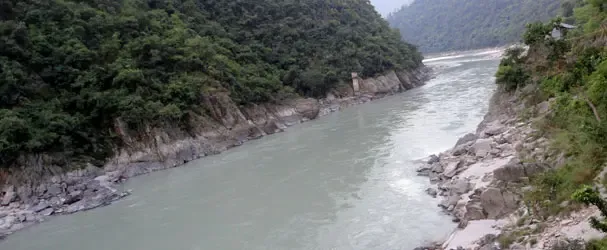
Moreover, the much-lauded Arun-3 Hydroelectric Project, developed by SJVN Limited, an Indian public sector company, is harnessing Nepal’s vast water resources and hydropower potential, catering to India's growing energy demands. This 900 MW run-of-the-river hydropower project symbolizes the strong India-Nepal partnership within the hydropower sector, offering multiple benefits such as free electricity for Nepal, meeting India’s increasing energy requirements, and creating local economic opportunities. Nepal is expected to benefit from energy royalties, alongside rural electrification and infrastructure improvements. Thus, in this economic symbiosis, India offers a dynamic market for Nepal’s extensive hydropower resources.
On the financial development front, progressive strides have been made with the introduction of interoperability between UPI (Unified Payments Interface) and FonePay QR in Nepal. Even during the Covid-19 pandemic, when global borders remained closed, India-Nepal trade routes stayed open and robust, exemplifying resilient economic connections.
The mutually advantageous bilateral economic relations are paving the way for a shared economic future for both nations, which share deep-rooted civilizational ties and a collective history, the article concluded.
Point of View
It's vital to recognize the significance of India-Nepal relations, built on mutual respect and shared history. The recent developments in trade and energy are not merely economic transactions but a testament to the enduring bond between these two nations, aiming for a collaborative future. This partnership reflects our commitment to regional stability and growth.
NationPress
08/12/2025
Frequently Asked Questions
What is the significance of the Treaty of Transit between India and Nepal?
The Treaty of Transit enhances cross-border connectivity and trade, facilitating the movement of rail-based freight, which strengthens economic ties and boosts trade efficiency between the two nations.
How is tourism being promoted between India and Nepal?
Both countries are focusing on leveraging their rich cultural heritage and scenic landscapes to develop tourism, including non-traditional areas, to attract more visitors and enhance economic benefits.
What role does the Arun-3 Hydroelectric Project play in India-Nepal relations?
The Arun-3 Hydroelectric Project exemplifies strong bilateral ties in energy, providing benefits such as free electricity to Nepal while meeting India's increasing energy demands, and fostering local economic opportunities.
How has the Covid-19 pandemic affected India-Nepal trade?
Despite the pandemic causing global border closures, India-Nepal trade routes remained open and robust, showcasing the resilience of their economic ties.
What advancements have been made in financial cooperation between India and Nepal?
The establishment of interoperability between UPI and FonePay QR in Nepal marks a significant step in financial cooperation, enhancing payment systems and facilitating smoother transactions.