India seeks probe into organ removal from seafarer's body in Venezuela
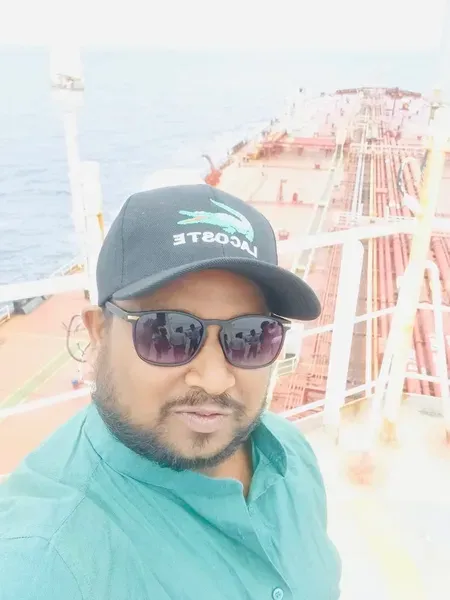
Synopsis
A 33-year-old Indian seafarer died in Venezuela in May 2025 — but when his body was returned home, a re-autopsy allegedly found every major organ missing, including the brain, heart, and lungs. India's Embassy in Caracas has now formally demanded a Venezuelan investigation, while the seafarers' union calls it a 'horrifying truth' and demands full accountability.
Key Takeaways
The Embassy of India in Caracas has formally sought a Venezuelan probe into alleged organ removal from the body of Rakesh Chauhan , a 33-year-old seafarer from Deoria, Uttar Pradesh .
Chauhan reportedly died in Venezuela in May 2025 , allegedly due to cardiac arrest, while serving as a crew member on a merchant navy vessel.
A re-autopsy in India allegedly found all major organs missing — including the brain, heart, lungs, liver, kidneys, spleen, pancreas, stomach and intestines .
The body was repatriated without any autopsy report or official documentation from Venezuelan authorities, according to the Federation of Seafarers' Unions of India (FSUI) .
The FSUI has demanded full accountability, transparency, and the release of complete autopsy records from Venezuelan authorities.
The Embassy of India in Caracas has formally requested Venezuelan authorities to conduct a thorough investigation into the alleged desecration and removal of organs from the body of late Rakesh Chauhan, a 33-year-old Indian seafarer from Deoria district, Uttar Pradesh, who reportedly died in Venezuela in May 2025. The case has triggered deep alarm after a re-autopsy conducted in India allegedly found multiple vital organs missing from the repatriated remains.
What the Embassy Said
In a post on X, the Indian Embassy stated: 'The Embassy of India, Caracas has sought a thorough investigation by Venezuelan authorities on the desecration and removal of organs of the mortal remains of late Shri. Rakesh Chauhan. Mission has continued to pursue this matter with the concerned local authorities since the incident came to light.'
The Mission confirmed it has been in continuous contact with local Venezuelan authorities since the incident first surfaced.
The Family's Allegations
Chauhan had travelled to Venezuela in November 2025 as a crew member aboard a merchant navy vessel. He reportedly died allegedly due to cardiac arrest. His body was repatriated to India nearly a month after his death — without, according to his family, any autopsy report or official documentation from Venezuelan authorities explaining the cause of death.
A re-autopsy conducted in India, according to the family, revealed that multiple vital organs — including the brain, heart and lungs — were absent from the body. The remains also bore extensive stitching marks, raising serious questions about what occurred after death.
What the Seafarers' Union Claimed
The Federation of Seafarers' Unions of India (FSUI) has demanded a comprehensive investigation into both the circumstances of Chauhan's death and the handling of his remains. In a statement posted on X, the federation alleged that the post-mortem conducted in India revealed 'a horrifying truth' — that not a single organ was found in the body, including the brain, heart, lungs, liver, kidneys, spleen, pancreas, stomach and intestines.
The FSUI termed the situation 'unacceptable', calling for full accountability, transparency and a detailed probe by Venezuelan authorities. It also urged immediate intervention by the Indian Embassy in Caracas, along with the release of complete autopsy records and clarity on the cause of death.
Broader Concerns for Indian Seafarers
The case has cast a spotlight on the vulnerability of Indian maritime workers employed on vessels operating in distant and diplomatically complex jurisdictions. India has a significant seafarer workforce deployed globally, and this incident has renewed calls for stronger documentation protocols, welfare safeguards and consular oversight when crew members die abroad.
This comes amid growing scrutiny of the mechanisms — or lack thereof — that govern the repatriation of mortal remains of Indian nationals who die overseas, particularly in countries with limited bilateral legal frameworks with India. As diplomatic pressure mounts, the Venezuelan response to the Embassy's request will be closely watched.
Point of View
000 active seafarers, many on vessels that dock in high-risk or low-oversight ports. If the FSUI's claims are borne out, this is not just a bilateral diplomatic issue — it is a test of whether India's maritime welfare infrastructure is fit for purpose. The Venezuelan government's response, or silence, will itself be telling.
NationPress
1 Oct 2026
Frequently Asked Questions
What happened to Indian seafarer Rakesh Chauhan in Venezuela?
Rakesh Chauhan, a 33-year-old merchant navy crew member from Deoria, Uttar Pradesh, reportedly died in Venezuela in May 2025, allegedly due to cardiac arrest. When his body was repatriated to India nearly a month later, a re-autopsy allegedly revealed that all major internal organs were missing.
What has India's Embassy in Caracas done about the case?
The Embassy of India in Caracas has formally requested Venezuelan authorities to conduct a thorough investigation into the alleged desecration and organ removal. The Mission stated it has been pursuing the matter with local authorities since the incident came to light.
What did the re-autopsy in India find?
According to the Federation of Seafarers' Unions of India (FSUI), the post-mortem conducted in India found not a single organ in the body — including the brain, heart, lungs, liver, kidneys, spleen, pancreas, stomach and intestines. The body also bore extensive stitching marks, and the cause of death could not be determined.
What is the FSUI demanding?
The FSUI has called for a comprehensive investigation into the circumstances of Chauhan's death and the handling of his remains. It has demanded full accountability, the release of complete autopsy records from Venezuelan authorities, and immediate intervention by the Indian Embassy in Caracas.
Why does this case matter for Indian seafarers broadly?
India has a large seafarer workforce deployed globally. This case has raised concerns about the adequacy of documentation protocols, consular oversight, and welfare safeguards for Indian crew members who die abroad — particularly in countries with limited bilateral legal frameworks with India.