India launches anti-dumping probe into Resorcinol imports from China, Japan
Synopsis
India has opened an anti-dumping investigation into Resorcinol — a tyre-bonding chemical — imported from China and Japan, triggered by a complaint from Atul Limited. It is the latest in a series of DGTR probes targeting the rubber and tyre supply chain, signalling a sharper policy stance on protecting domestic chemical manufacturers from below-market foreign pricing.
Key Takeaways
India's DGTR has launched a formal anti-dumping investigation into Resorcinol imports from China and Japan as of 19 June .
The probe was triggered by a complaint from Atul Limited , alleging that cheap imports are causing material injury to domestic producers.
Resorcinol is a key chemical intermediate used for bonding rubber to tyre cords and in specialised resins.
If dumping is confirmed, the DGTR will recommend anti-dumping duties; the Ministry of Finance holds final authority to enforce them.
The DGTR has previously investigated tyre-related imports including radial tyres from China and Thailand and Halobutyl Rubber from the US and China.
India has initiated a formal anti-dumping investigation into imports of Resorcinol — a chemical intermediate critical to the tyre and rubber industry — from China and Japan, following a complaint that these countries are exporting the compound at prices below fair market value. The Ministry of Commerce issued a notification on Friday, 19 June, confirming the probe by the Directorate General of Trade Remedies (DGTR).
What Triggered the Investigation
The probe was set in motion by a complaint filed by Atul Limited, which alleged that a surge in low-priced Resorcinol imports from China and Japan is causing significant harm to India's domestic manufacturing base. The DGTR, satisfied with the prima facie evidence submitted, formally initiated the investigation under applicable trade remedy laws.
The DGTR's notification stated: 'On the basis of the duly substantiated application filed by the applicant and having satisfied itself, on the basis of the prima facie evidence submitted by the applicant, regarding dumping of the subject goods... the authority hereby initiates an anti-dumping investigation.'
What Is Resorcinol and Why It Matters
Resorcinol is an organic intermediate compound primarily used for bonding rubber to tyre cords and in the manufacture of specialised resins. It is a key input in the production of tyres and other rubber-based products, making it strategically significant for India's automotive supply chain. Any sustained price depression caused by dumped imports can undermine the viability of domestic producers of this compound.
How the Anti-Dumping Process Works
Under World Trade Organisation (WTO) rules, member countries are permitted to investigate and impose anti-dumping duties when foreign goods are found to be sold below their fair market value, causing material injury to domestic industry. The DGTR will examine the existence, scale, and economic impact of the alleged dumping by exporters from both countries.
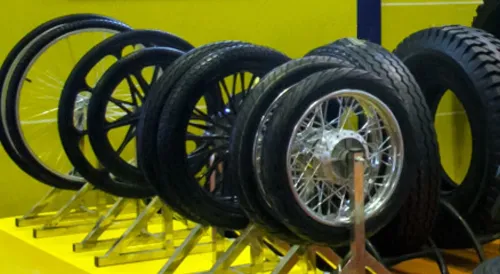
Notably, this is not the DGTR's first foray into tyre-related trade remedies. The directorate has previously investigated finished automotive tyre imports — including new pneumatic radial tyres from China and Thailand — as well as raw components such as synthetic Halobutyl Rubber (HIIR) imported from the US and China, reflecting a pattern of heightened scrutiny on the country's rubber and tyre supply chain.
What Happens Next
If the DGTR concludes that Resorcinol is being dumped and has caused 'material injury' to Indian producers, it will recommend the imposition of anti-dumping duties to level the competitive playing field. However, the Ministry of Finance holds the final authority to levy and enforce any such duties. The investigation is expected to follow a standard multi-month timeline involving questionnaires to exporters, domestic industry submissions, and public hearings before a final determination is reached.
Point of View
Suggesting domestic producers are watching the import surge closely enough to pursue formal legal remedies. The real question is timeline: anti-dumping investigations routinely stretch beyond a year, during which dumped imports can continue to flow. India's track record on swift duty imposition in chemical cases is mixed, and the Ministry of Finance's gate-keeping role adds another layer of delay risk. If the government is serious about protecting domestic specialty chemical manufacturing — a sector it has backed through PLI schemes — faster adjudication would be the credibility test.
NationPress
19 Sept 2026
Frequently Asked Questions
What is the anti-dumping investigation into Resorcinol about?
India's Directorate General of Trade Remedies (DGTR) has launched a formal investigation into imports of Resorcinol from China and Japan, following allegations that these countries are exporting the chemical at prices below fair market value, causing harm to Indian producers. The probe was initiated after a complaint by Atul Limited.
What is Resorcinol and where is it used?
Resorcinol is an organic intermediate chemical compound used primarily to bond rubber to tyre cords and in the manufacture of specialised resins. It is a critical input in tyre and rubber product manufacturing.
Who filed the complaint that triggered this investigation?
Atul Limited filed the complaint with the DGTR, alleging that a flood of cheap Resorcinol imports from China and Japan is causing significant material injury to India's domestic industry.
What happens if dumping is confirmed by the DGTR?
If the DGTR finds that Resorcinol is being sold below fair market value and has caused material injury to Indian producers, it will recommend anti-dumping duties. The Ministry of Finance then holds the final authority to officially levy and enforce those duties.
Has India investigated similar tyre-related imports before?
Yes. The DGTR has previously investigated finished automotive tyre imports such as new pneumatic radial tyres from China and Thailand, as well as raw components like synthetic Halobutyl Rubber (HIIR) from the US and China, reflecting a sustained focus on the rubber and tyre supply chain.