India raises cyber scam threat with Myanmar, pushes for regional action
Synopsis
Over 2,400 Indians have been brought home from Myanmar's cyber scam compounds in 18 months — yet roughly 150 remain trapped, trafficked through third countries. India is now pushing beyond bilateral fixes, signalling that dismantling these criminal networks requires a coordinated regional response that no single border agreement can deliver.
Key Takeaways
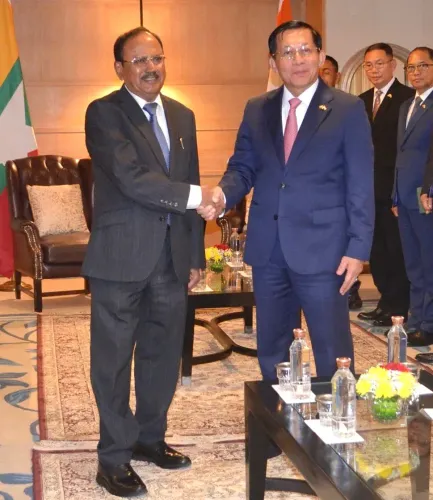
PM Narendra Modi and Myanmar President U Min Aung Hlaing met at Hyderabad House, New Delhi on 1 June .
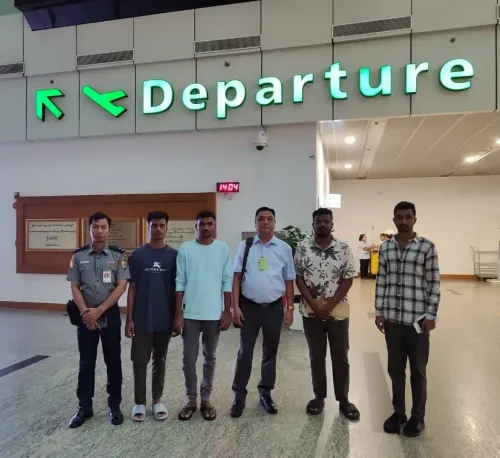
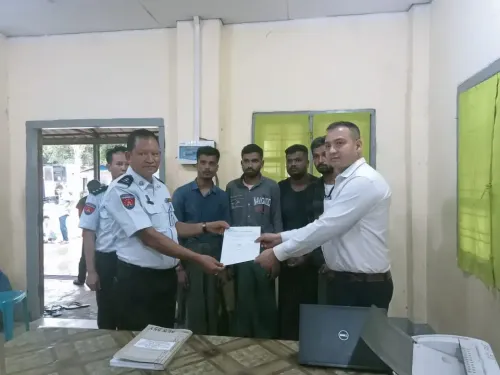
2,411 Indian citizens have been repatriated from Myanmar's cyber scam compounds over the past 18 months .
Approximately 150 Indian nationals are still believed to be trapped in these compounds.
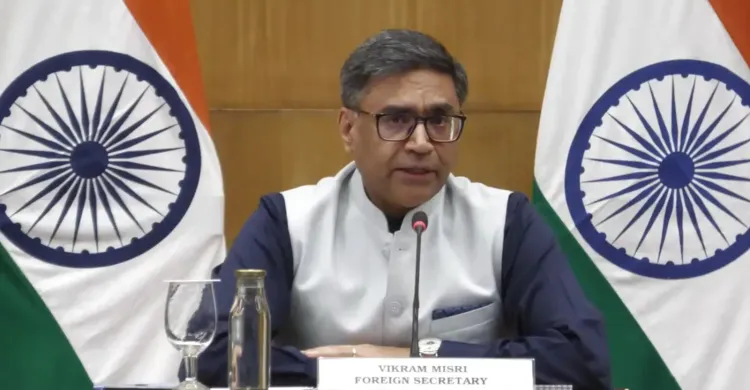
Foreign Secretary Vikram Misri said victims are typically trafficked via third countries, making regional cooperation essential.
Both sides agreed to deepen ties across trade, connectivity, security, and border management.
India reiterated readiness to support peace and dialogue in Myanmar, including sharing federal governance experience.
India and Myanmar on Monday, 1 June held high-level bilateral talks at Hyderabad House, New Delhi, where cyber scam networks operating along Myanmar's border regions emerged as a central concern. Prime Minister Narendra Modi and Myanmar President U Min Aung Hlaing agreed that the crisis demands not just stronger bilateral action but a coordinated regional response.
Key Developments
Foreign Secretary Vikram Misri, briefing reporters after the meeting, confirmed that over the past 18 months, India and Myanmar have jointly facilitated the repatriation of 2,411 Indian citizens from cyber scam compounds, particularly in the bordering regions of southeast Myanmar. Around 150 Indian nationals are still believed to be trapped in these compounds, and efforts to secure their return are ongoing.
What Foreign Secretary Misri Said
'Over the course of the last year and a half, we have been able to repatriate 2,411 Indian citizens from cyber scam compounds in Myanmar, especially in the bordering regions in southeast Myanmar,' Misri said. He added that those still trapped are 'usually trafficked there through a third country,' underscoring why the issue cannot be resolved through bilateral channels alone.
'This just underlines the need for not just more bilateral cooperation related to this issue, which is also a security issue between the two countries, but also underlines the need for greater regional cooperation on this matter,' Misri stated.
Broader Bilateral Agenda
Beyond the cyber scam issue, PM Modi and President Aung Hlaing agreed to deepen ties across trade, investment, connectivity, development partnership, capacity building, security, and border management. Modi also reiterated India's readiness to support peace and dialogue in Myanmar, including by sharing experiences in federal governance and economic growth.
Ministry of External Affairs (MEA) spokesperson Randhir Jaiswal posted on X that both sides agreed to 'advance the India-Myanmar partnership for peace, progress and prosperity,' anchored in the two nations' historic and people-to-people relationship.
Why Regional Cooperation Matters
The cyber scam compounds along Myanmar's borders have drawn international attention as hubs of organised fraud, where trafficked nationals from across South and Southeast Asia are coerced into running online scams. India's emphasis on a regional framework signals that New Delhi views the problem as a transnational security threat — one that bilateral agreements alone are insufficient to dismantle. This issue has been raised in several bilateral forums between the two countries, according to Misri.
What Happens Next
With roughly 150 Indian citizens still unaccounted for in these compounds, the immediate priority remains their safe repatriation. Broader regional mechanisms — potentially involving ASEAN-linked frameworks — are likely to be pursued as India steps up diplomatic pressure. The Modi government's willingness to engage Myanmar's military-backed administration on this issue reflects the primacy of citizen protection in its neighbourhood policy.
Point of View
400 nationals is a tangible win, but the 150 still trapped — and the trafficking pipelines running through third countries — expose the limits of bilateral diplomacy. New Delhi's call for regional cooperation is the right instinct, but without a named multilateral mechanism, it risks remaining aspirational. The real test is whether India can translate that call into a concrete ASEAN-adjacent framework before more of its citizens are funnelled into these compounds.
NationPress
18 Oct 2026
Frequently Asked Questions
How many Indian citizens have been rescued from Myanmar's cyber scam compounds?
As of the latest count, 2,411 Indian citizens have been repatriated from cyber scam compounds in Myanmar over the past 18 months , according to Foreign Secretary Vikram Misri. Around 150 others are still believed to be trapped, and efforts to secure their return are ongoing.
What are the cyber scam compounds in Myanmar?
These are organised criminal hubs, largely in the border regions of southeast Myanmar, where trafficked individuals are coerced into running online fraud operations. Victims from India and other countries are typically brought in through third countries, making the issue a transnational security concern.
Why is India pushing for regional cooperation on this issue?
Foreign Secretary Vikram Misri noted that Indian nationals trapped in these compounds are usually trafficked through third countries, meaning bilateral India-Myanmar agreements alone cannot fully address the problem. A regional framework is needed to disrupt the cross-border trafficking and fraud networks.
What else was discussed during the Modi-Aung Hlaing meeting?
Beyond the cyber scam crisis, both leaders agreed to deepen cooperation across trade, investment, connectivity, development partnership, capacity building, security, and border management. PM Modi also reiterated India's readiness to support peace and dialogue in Myanmar, including sharing experiences in federal governance.
Who briefed the media after the India-Myanmar talks?
Foreign Secretary Vikram Misri addressed reporters after the bilateral meeting at Hyderabad House. MEA spokesperson Randhir Jaiswal also posted a summary of the talks on X, describing the discussions as 'wide-ranging' and aimed at advancing the India-Myanmar partnership.