India-South Korea ties set for strategic leap under 2026-2030 vision
Synopsis
India and South Korea are no longer just trade partners — they are building a full-spectrum strategic partnership. With bilateral trade at $25.6 billion, a Joint Strategic Vision covering AI and semiconductors, and 2028-29 designated the Year of India-ROK Friendship, the relationship is quietly becoming one of India's most consequential partnerships in the Indo-Pacific.
Key Takeaways
India and South Korea have adopted a Joint Strategic Vision for 2026-2030 covering AI, semiconductors, defence, and Indo-Pacific maritime security.
Bilateral trade reached $25.6 billion in 2025 , accelerated by the CEPA implemented in 2010 .
The 12th Round of IK CEPA Upgrade Negotiations was held in New Delhi in May 2026 .
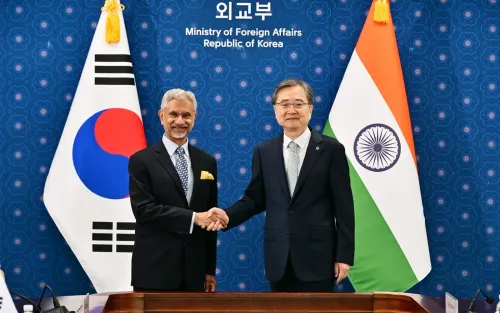
Jaishankar visited South Korea in June 2026 , meeting FM Cho Hyun and NSA Wi Sung-lac .
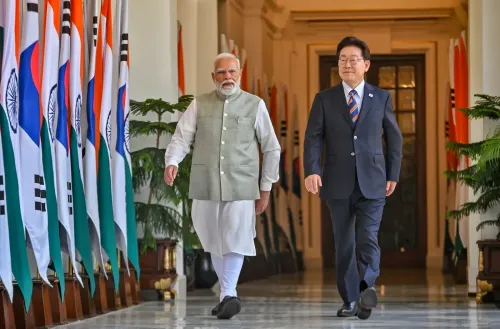
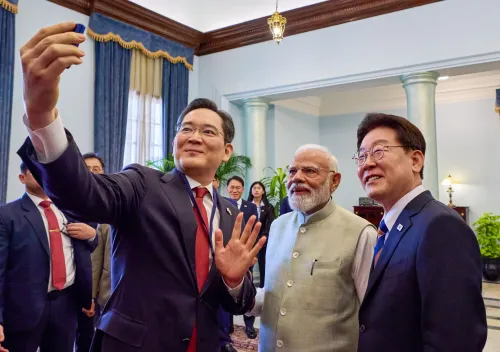
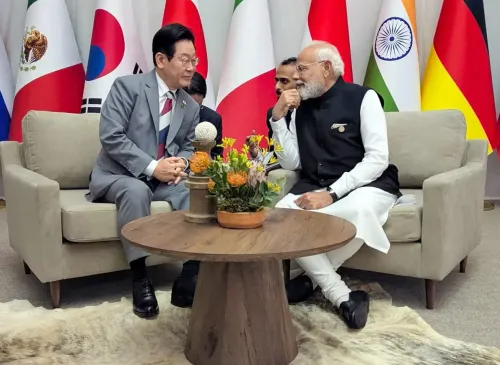
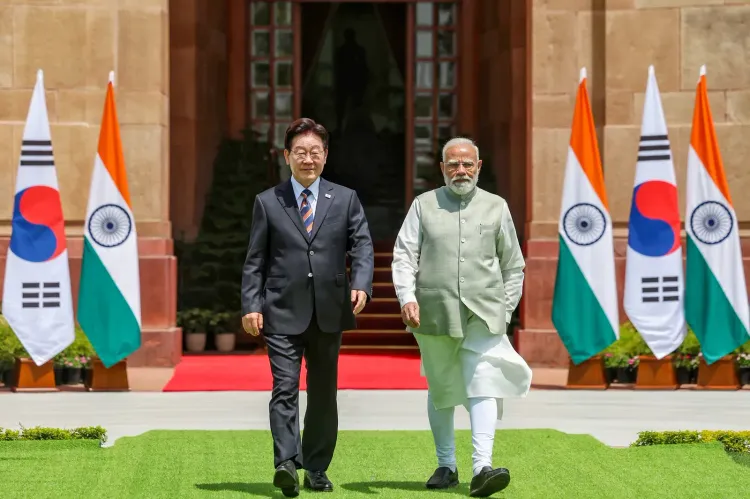
South Korean President Lee Jae Myung made a three-day State Visit to India in April 2026 , holding talks with PM Modi and President Murmu .
2028-29 has been designated the Year of India-ROK Friendship ; the Cultural Exchange Program runs through 2030 .
India and South Korea are charting a broader, more strategic bilateral relationship, anchored by a Joint Strategic Vision for 2026-2030 that spans emerging technologies, defence, maritime cooperation, and people-to-people links, according to an analysis published in Eurasia Review. The two nations, which established diplomatic ties in 1973, have steadily expanded cooperation well beyond their historical and cultural foundations.
Trade and Economic Foundations
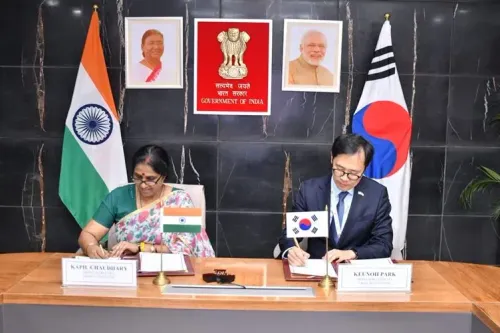
Bilateral trade received a significant boost following the implementation of the Comprehensive Economic Partnership Agreement (CEPA) in 2010, which liberalised commerce across goods and services. By 2025, two-way trade between the two countries had reached $25.6 billion. In May 2026, both sides convened the 12th Round of India-Korea CEPA Upgrade Negotiations (IK CEPA) in New Delhi, reviewing progress and identifying areas for deeper integration.
The Cultural Dimension
Beyond economics, cultural exchange has emerged as a powerful connector. The Korean Wave — encompassing K-pop, K-dramas, K-beauty, and K-food — has found a large and enthusiastic audience across India. Reciprocally, South Koreans have developed a growing interest in Indian classical arts, cinema, yoga, and cuisine.
Artist exchanges and bilateral film festivals have deepened this cultural dialogue, with the Cultural Exchange Program now extended through 2030. Notably, 2028-29 has been designated the Year of India-Republic of Korea Friendship, signalling institutional commitment to people-level engagement.
The Strategic Vision for 2026-2030
Analyst Ronak Sagar, writing in the Eurasia Review, described the trajectory as 'increasingly broad and strategic.' The Joint Strategic Vision for 2026-2030 identifies cooperation in artificial intelligence, semiconductors, supply chain resilience, defence, and Indo-Pacific maritime security as priority pillars.
'Both nations have been looking at ways of expanding people-to-people links through education, scholarships, language learning and academic exchanges. Cultural cooperation is also expected to be an important area,' Sagar noted.
High-Level Diplomatic Engagement
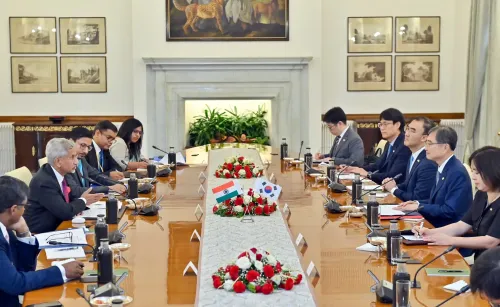
The strategic momentum has been reinforced by a series of high-level visits. External Affairs Minister S. Jaishankar undertook a two-day visit to South Korea in June 2026, meeting his counterpart Foreign Minister Cho Hyun and National Security Director Wi Sung-lac. In a post on X, Jaishankar said the discussions 'followed upon the outcomes of recent visit of President Lee Jae Myung to India' and covered 'political, shipbuilding, trade, investments, defence, technology, clean energy, culture and P2P domains,' as well as 'startups, fintech and multilateral fora.'
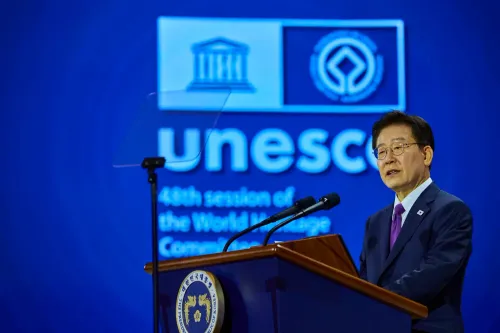
He also addressed the Jeju Forum for Peace and Prosperity 2026, underscoring the need for greater international cooperation on global challenges.
Earlier, in April 2026, South Korean President Lee Jae Myung paid a three-day State Visit to India, accompanied by ministers, senior officials, and leading corporate CEOs. During the visit, President Lee held talks with Prime Minister Narendra Modi and President Droupadi Murmu.
What Comes Next
With the CEPA upgrade negotiations ongoing, the Cultural Exchange Program running through 2030, and the 2028-29 friendship year on the horizon, the bilateral relationship appears positioned for sustained deepening. The shared interest in semiconductor supply chains and Indo-Pacific stability gives the partnership a geopolitical weight that goes well beyond traditional trade diplomacy.
Point of View
India-China, India-Japan — but the 2026-2030 Joint Strategic Vision signals a quiet upgrade that deserves more scrutiny. The convergence on semiconductors and supply chain resilience is not incidental; both nations are hedging against China-dependent value chains, and their alignment on the Indo-Pacific gives the partnership a strategic logic beyond commerce. The real test will be whether the CEPA upgrade negotiations translate into meaningful market access on both sides, or remain a diplomatic talking point. Cultural momentum — from K-pop to yoga — is genuine and grassroots, which gives this partnership a durability that top-down agreements often lack.
NationPress
25 Sept 2026
Frequently Asked Questions
What is the India-South Korea Joint Strategic Vision for 2026-2030?
It is a bilateral framework that identifies priority areas of cooperation between India and South Korea through 2030, including artificial intelligence, semiconductors, supply chain resilience, defence, maritime security, and people-to-people links. The vision builds on diplomatic ties established in 1973 and the economic foundation laid by the CEPA in 2010.
How large is bilateral trade between India and South Korea?
Bilateral trade between India and South Korea reached $25.6 billion in 2025, following years of growth after the Comprehensive Economic Partnership Agreement came into effect in 2010. Both sides are currently negotiating an upgrade to the CEPA, with the 12th round held in New Delhi in May 2026.
What was the outcome of EAM Jaishankar's visit to South Korea in June 2026?
Jaishankar met South Korean Foreign Minister Cho Hyun and National Security Director Wi Sung-lac, reviewing cooperation across trade, defence, technology, clean energy, and people-to-people domains. He also addressed the Jeju Forum for Peace and Prosperity 2026, calling for stronger international cooperation on global challenges.
What is the significance of the Year of India-ROK Friendship?
The year 2028-29 has been designated the Year of India-Republic of Korea Friendship, reflecting a formal institutional commitment to deepening cultural and people-to-people ties. The Cultural Exchange Program, which supports artist exchanges and academic cooperation, has been extended through 2030 to support this goal.
How has cultural exchange shaped India-South Korea relations?
The Korean Wave — K-pop, K-dramas, K-beauty, and K-food — has gained widespread popularity in India, while South Koreans have shown growing interest in Indian classical arts, cinema, yoga, and cuisine. Film festivals and artist exchange programmes have institutionalised this cultural dialogue, making the relationship increasingly people-driven rather than purely government-to-government.