India-South Korea CEPA upgrade: Sub-groups formed for digital trade, supply chains
Synopsis
India and South Korea aren't just renegotiating a trade deal — they're redesigning it. By creating dedicated sub-groups on digital trade and supply chains, both sides are signalling that the 2010 IK CEPA is no longer fit for purpose. The explicit acknowledgement of a widening trade deficit is the sharpest signal yet that New Delhi wants structural rebalancing, not just an incremental upgrade.
Key Takeaways
India and South Korea agreed to form dedicated sub-groups on digital trade , supply chain cooperation , and strategic industrial collaboration under IK CEPA upgrade talks.
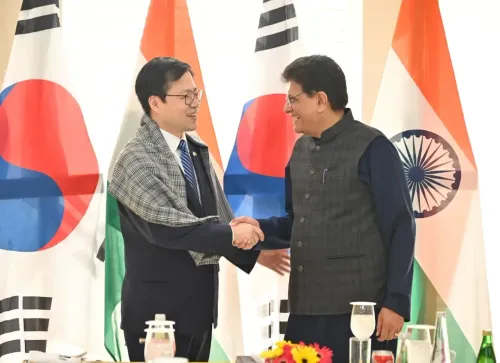
The latest negotiation round in New Delhi followed a Joint Declaration signed on 20 April by Piyush Goyal and Korean Trade Minister Yeo Han-koo .
Both sides acknowledged a widening bilateral trade deficit since the original IK CEPA came into force in 2010 and agreed to address it within the upgrade framework.
Negotiators covered trade in goods, services, rules of origin, investment, and sanitary and phytosanitary standards in the latest round.
Both countries reaffirmed commitment to concluding the upgrade in a time-bound manner for a 'modernised and mutually beneficial agreement'.
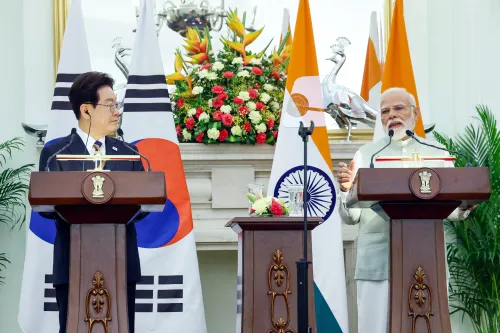
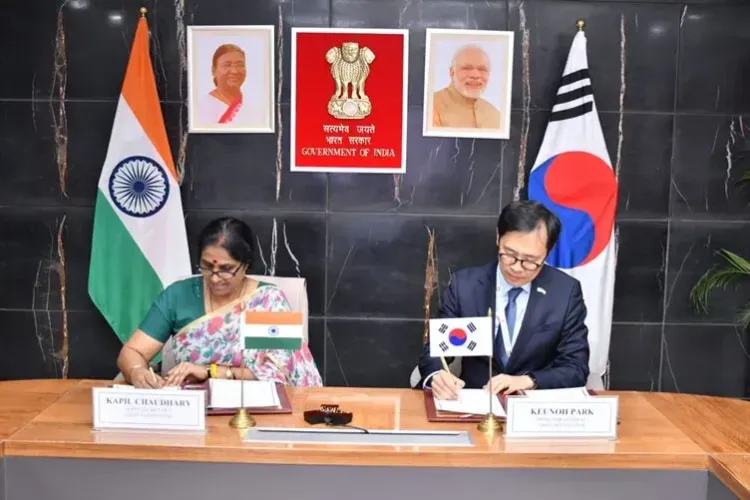
India and South Korea have agreed to establish dedicated sub-groups to advance negotiations on digital trade, supply chain cooperation, and strategic industrial collaboration under the ongoing upgrade of the India-Korea Comprehensive Economic Partnership Agreement (IK CEPA), it was announced on Thursday, 28 May. The move marks a structural deepening of bilateral economic engagement as both nations push toward a modernised trade framework.
Background: The CEPA Upgrade Process
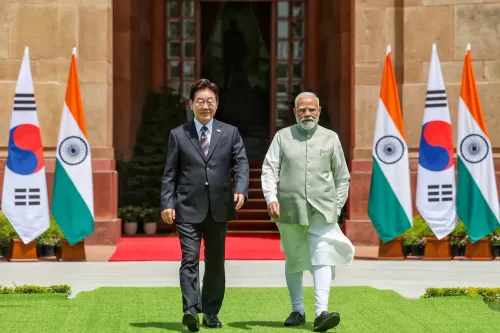
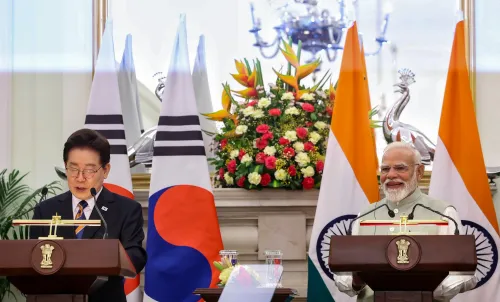
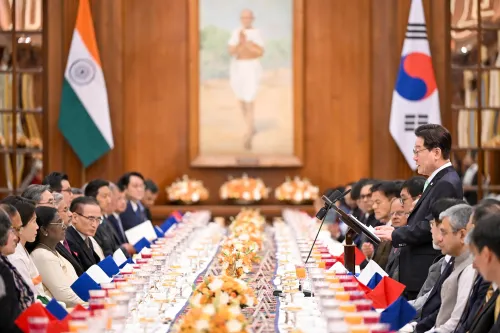
The latest round of negotiations was held in New Delhi and follows the Joint Declaration signed on 20 April by Union Commerce and Industry Minister Piyush Goyal and Korean Trade Minister Yeo Han-koo during the State Visit of the President of the Republic of Korea to India. The declaration set the roadmap for accelerating CEPA upgrade talks between the two economies.
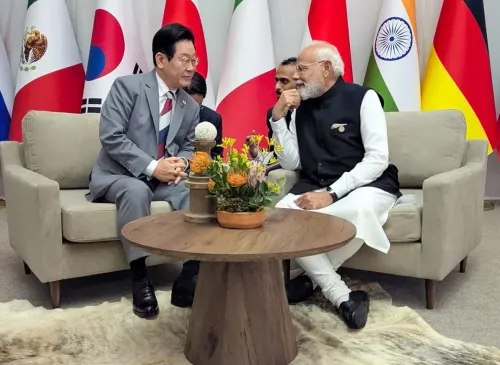
According to an official statement issued by the Ministry of Commerce and Industry, both sides reviewed progress made in the upgrade negotiations and held discussions in a 'constructive and cooperative spirit', reflecting the 'Futuristic Partnership' envisioned by Prime Minister Narendra Modi and South Korean President Lee Jae-myung.
Key Areas Under Negotiation
During this round, negotiators covered a broad agenda: trade in goods, trade in services, rules of origin and origin procedures, investment, and sanitary and phytosanitary standards. The formation of dedicated sub-groups for digital trade and supply chains signals that both sides intend to go beyond the original agreement's scope, which came into force in 2010 and has since shown structural imbalances.
Addressing the Trade Deficit
A notable acknowledgement from both delegations was the widening bilateral trade deficit since the original IK CEPA took effect. India has long flagged that the agreement disproportionately benefited South Korean exports, particularly in electronics and machinery. Both sides agreed to address this imbalance within the broader upgraded CEPA framework — a concession that reflects sustained pressure from Indian industry stakeholders.
This comes amid a wider Indian push to renegotiate and modernise legacy free trade agreements, including those with ASEAN and the UAE, to better reflect current trade realities and India's growing manufacturing ambitions.
What Comes Next
Both countries reaffirmed their commitment to conclude the CEPA upgrade in a time-bound manner, with the stated aim of achieving a 'modernised and mutually beneficial agreement' that promotes balanced bilateral trade and stronger economic cooperation. The newly formed sub-groups on digital trade and supply chains are expected to hold their first sessions in the coming weeks, with outcomes feeding into the next full round of negotiations.
Frequently Asked Questions
What is the IK CEPA upgrade and why is it being renegotiated?
The India-Korea Comprehensive Economic Partnership Agreement (IK CEPA), originally signed in 2010, is being upgraded to reflect current trade realities including digital commerce, supply chains, and a widening trade deficit in South Korea's favour. Both sides are working toward a modernised agreement that promotes more balanced bilateral trade.
What are the new sub-groups being formed under the CEPA upgrade talks?
India and South Korea have agreed to create dedicated sub-groups focused on digital trade, supply chain cooperation, and strategic industrial collaboration. These sub-groups will feed into the broader CEPA upgrade negotiation framework.
What prompted the latest round of India-Korea CEPA negotiations?
The talks were conducted pursuant to a Joint Declaration signed on 20 April by Union Commerce and Industry Minister Piyush Goyal and Korean Trade Minister Yeo Han-koo during the State Visit of South Korean President Lee Jae-myung to India.
How has the trade deficit between India and South Korea changed since 2010?
Both countries acknowledged that the bilateral trade deficit has widened since the original IK CEPA came into force in 2010. India has long argued the agreement disproportionately benefited South Korean exports, and both sides have now agreed to address this imbalance within the upgraded CEPA framework.
When will the CEPA upgrade negotiations be concluded?
Both India and South Korea have reaffirmed their commitment to concluding the upgrade in a time-bound manner, though no specific deadline has been publicly announced. The newly formed sub-groups are expected to begin work in the coming weeks.