India-Sri Lanka NCB talks in Colombo target drug trafficking networks
Synopsis
India and Sri Lanka convened their fifth Director General-level anti-narcotics meeting in Colombo, zeroing in on maritime trafficking routes and real-time intelligence sharing — just weeks after India proposed a BRICS Virtual Working Group on drug enforcement at Guwahati. The bilateral framework is now backed by a multilateral push, raising the stakes for actual operational outcomes.
Key Takeaways
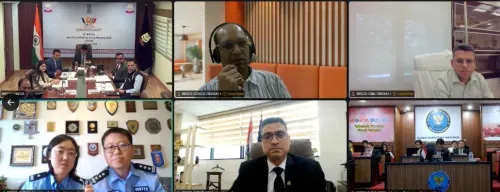
The fifth NCB-PNB Director General-level talks were held in Colombo on 23 September 2026 , focusing on maritime drug trafficking and intelligence sharing.
India's delegation was led by R.
Sudhakar, IPS (NCB Deputy DG, Southern Region); Sri Lanka's by K.D.G.L.
Ashoka Dharmasena , Head of PNB.
The Indian Coast Guard , Ministry of External Affairs , and Tamil Nadu Police also participated.
In July 2026 , India proposed a BRICS Virtual Working Group for real-time drug enforcement intelligence at a meeting in Guwahati .
NCB DG Anurag Garg outlined India's three-year anti-narcotics roadmap (2026-29) , centred on dismantling entire trafficking networks rather than isolated offenders.
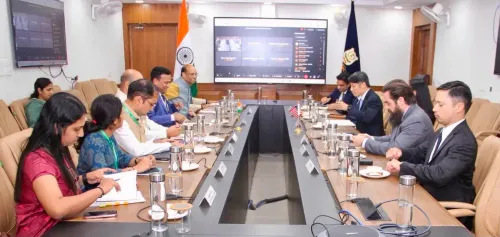
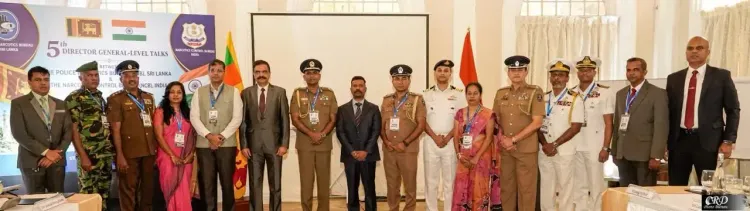
India and Sri Lanka held their fifth Director General-level talks between the Narcotics Control Bureau (NCB) and Sri Lanka's Police Narcotics Bureau (PNB) in Colombo on 23 September 2026, with both sides focusing on dismantling transnational drug trafficking networks through enhanced intelligence sharing, joint operations, and coordination on fugitives.
Who Led the Delegations
The Indian delegation was headed by R. Sudhakar, IPS, NCB Deputy Director General (Southern Region), while the Sri Lankan side was led by K.D.G.L. Ashoka Dharmasena, Head of the PNB. The deliberations were inaugurated by Priyantha Weerasooriya, Head of Sri Lanka's Police.
Representatives from the Indian Coast Guard, the Ministry of External Affairs, and Tamil Nadu Police also participated, reflecting the multi-agency scope of India's counter-narcotics engagement with its island neighbour.
Key Areas of Discussion
The two sides examined maritime trafficking trends, coastal security vulnerabilities, and mechanisms for real-time intelligence exchange. Both delegations discussed concrete steps to detect, disrupt, and dismantle cross-border drug syndicates — a challenge that has grown more acute as trafficking routes through the Indian Ocean have become increasingly sophisticated.
This is the fifth such bilateral meeting at the Director General level, underscoring a sustained institutional framework between the two neighbours on narcotics enforcement.
India's Broader Anti-Drug Push at BRICS
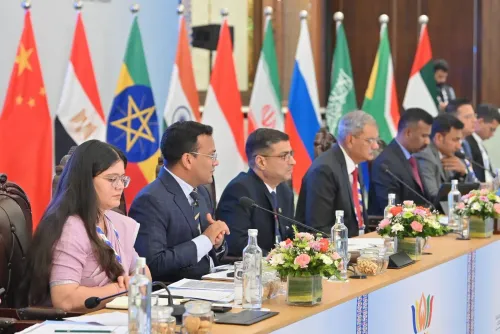
The Colombo talks come on the heels of a significant multilateral initiative. In July 2026, India proposed the creation of a BRICS Virtual Working Group for real-time intelligence sharing and coordinated enforcement against transnational drug syndicates at the two-day BRICS Heads of Anti-Drug Agencies meeting held in Guwahati, under India's BRICS Chairship 2026.
Addressing that inaugural session, NCB Director General Anurag Garg called on BRICS drug law enforcement agencies to build 'a partnership based on speed, trust and seamless real-time intelligence sharing that transcends national borders and enables swift action against organised international drug trafficking networks.'
Garg further noted that 'the increasing sophistication of transnational drug syndicates demands greater coordination, faster information exchange and stronger operational collaboration among BRICS nations.'
India's Three-Year Anti-Narcotics Roadmap
At the Guwahati meeting, Garg outlined India's three-year roadmap for 2026-29, framed under the leadership of Prime Minister Narendra Modi and Union Home Minister Amit Shah. The strategy is built on a network-centric enforcement approach — prioritising the dismantling of entire criminal organisations rather than isolated offenders.
The roadmap also emphasises large-scale public awareness campaigns on drug abuse prevention, alongside strengthened treatment, de-addiction, and rehabilitation infrastructure across the country.
With bilateral talks now institutionalised at the Director General level and a multilateral BRICS mechanism on the table, the next phase will test whether intelligence-sharing commitments translate into operational takedowns of active trafficking networks.
Point of View
Yet its success depends on member nations with divergent enforcement cultures agreeing on data-sharing protocols. Notably, maritime trafficking through the Indian Ocean has intensified even as bilateral meetings have multiplied, raising a pointed question: are these summits producing operational intelligence or diplomatic optics? The three-year roadmap's network-centric approach is conceptually sound, but without published enforcement metrics, it is difficult to distinguish strategy from aspiration.
NationPress
29 Sept 2026
Frequently Asked Questions
What was discussed at the India-Sri Lanka NCB-PNB talks in Colombo?
The fifth Director General-level talks between India's Narcotics Control Bureau and Sri Lanka's Police Narcotics Bureau, held in Colombo on 23 September 2026, focused on maritime drug trafficking trends, intelligence sharing, joint operations, fugitives, and coastal security. Both sides discussed measures to detect, disrupt, and dismantle transnational drug trafficking networks.
Who represented India and Sri Lanka at the Colombo talks?
India was represented by R. Sudhakar, IPS, NCB Deputy Director General (Southern Region), along with officials from the Indian Coast Guard, Ministry of External Affairs, and Tamil Nadu Police. Sri Lanka's delegation was led by K.D.G.L. Ashoka Dharmasena, Head of the PNB, with the session inaugurated by Priyantha Weerasooriya, Head of Sri Lanka's Police.
What is India's BRICS Virtual Working Group proposal on drug trafficking?
At the BRICS Heads of Anti-Drug Agencies meeting in Guwahati in July 2026, India proposed creating a BRICS Virtual Working Group for real-time intelligence sharing and coordinated enforcement against transnational drug syndicates. The proposal was part of India's BRICS Chairship 2026 agenda.
What is India's three-year anti-narcotics roadmap?
NCB Director General Anurag Garg outlined a three-year roadmap for 2026-29 based on a network-centric enforcement approach, focusing on dismantling entire criminal networks rather than isolated offenders, preventing drug abuse through large-scale awareness campaigns, and strengthening treatment, de-addiction, and rehabilitation mechanisms.
Why do India-Sri Lanka drug trafficking talks matter?
The two countries share critical maritime proximity in the Indian Ocean, a region increasingly exploited by transnational drug syndicates. Institutionalising Director General-level talks ensures sustained operational and intelligence coordination, particularly on coastal and maritime trafficking routes that affect both nations.