Indian Army deployed in South Gujarat floods, 12,376 evacuated in a day
Synopsis
The Indian Army's Golden Katar Division is now on the ground across four Gujarat districts as the state battles one of its heaviest rainfall spells of the season. With 12,376 people evacuated in a single day in Valsad alone and Waghai recording 367 mm of rain in 24 hours, the scale of the crisis is becoming clear — and the race to restore roads, rail, and public health before a secondary disaster sets in has already begun.
Key Takeaways
The Indian Army's Golden Katar Division has deployed flood relief columns in Valsad , Navsari , Ahmedabad city , and Ahmedabad rural areas.
12,376 people were relocated to safer locations in Valsad district in a single day, according to Deputy CM Harsh Sanghavi .
Dang district recorded 263.33 mm average rainfall in 24 hours; Waghai received the highest at 367 mm .
41 roads were closed due to flooding; 23 had reopened by 8 am on Friday , with 18 still shut.
The Mumbai-bound railway line from Valsad was disrupted but has since been reopened.
CM Bhupendra Patel directed additional NDRF and SDRF teams to be deployed across affected districts.
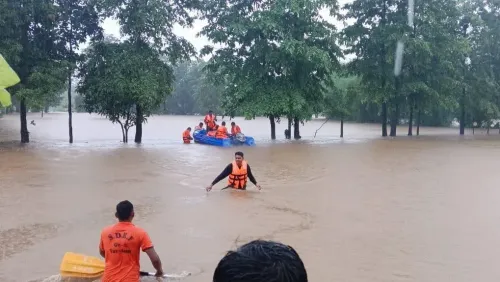
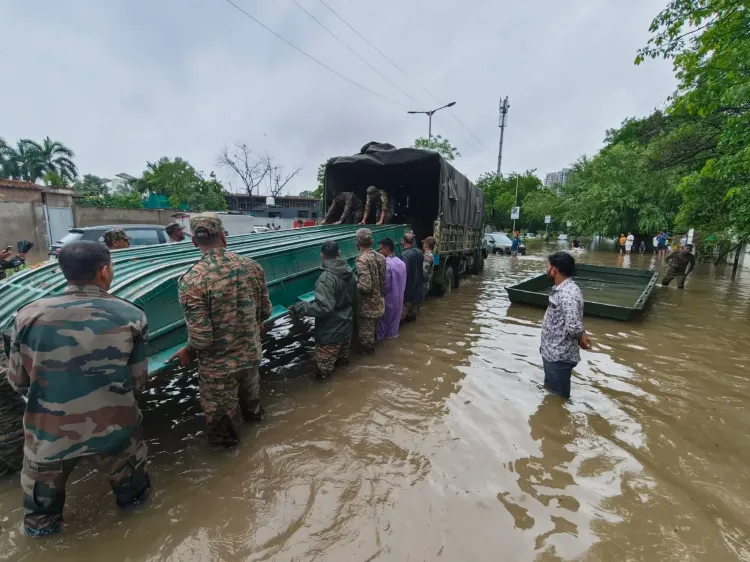
The Indian Army has deployed flood relief columns across inundated districts of South Gujarat as rescue operations intensified following exceptionally heavy rainfall that submerged large parts of the region on 24 July. Troops from the Golden Katar Division are operating in Valsad, Navsari, Ahmedabad city, and Ahmedabad rural areas, working alongside civil authorities to evacuate stranded residents and deliver emergency relief.
Scale of Deployment and Rescue Efforts
According to the Ministry of Defence, Army personnel are actively rescuing stranded civilians, distributing essential supplies, and supporting affected communities. Troops have been specifically deployed at Dhamdaccha village in Navsari district, one of the worst-hit areas. The military deployment comes as Gujarat's state administration escalates its large-scale relief and rehabilitation drive across flood-affected districts.
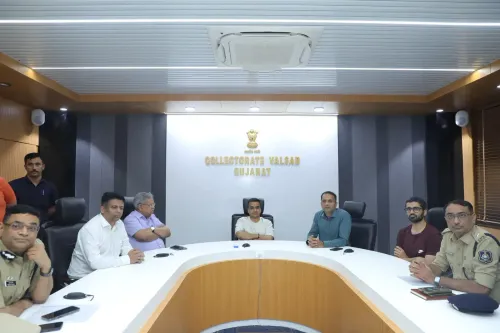
In a significant single-day achievement, the district administration of Valsad relocated 12,376 people to safer locations amid active flood conditions — a figure cited by Deputy Chief Minister Harsh Sanghavi during his late-night visit to the district on Thursday. Sanghavi, accompanied by Finance Minister Kanu Desai, reviewed the situation with district officials and directed that restoration work, sanitation drives, and health camps begin immediately once floodwaters recede. He also instructed that eligible families receive cash assistance and ration kits without delay.
Chief Minister Reviews Situation at SEOC
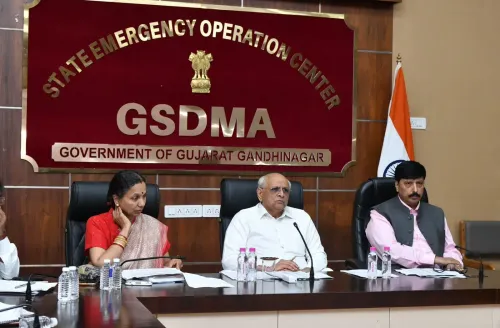
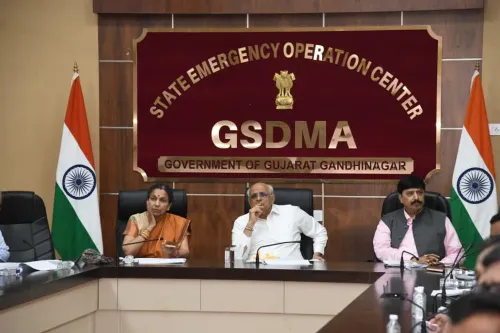
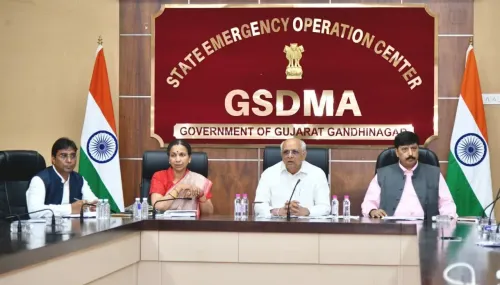
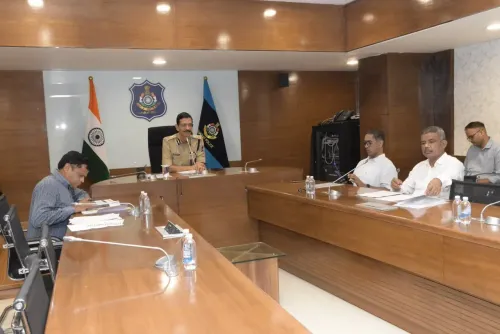
Chief Minister Bhupendra Patel on Thursday chaired a review of the flood situation at the State Emergency Operation Centre (SEOC) in Gandhinagar, focusing on Surat, Valsad, Navsari, and Tapi districts. He spoke directly with district collectors to assess river levels and obtain real-time updates on rescue and relocation operations. Patel directed additional teams of the National Disaster Response Force (NDRF) and State Disaster Response Force (SDRF) to be deployed wherever needed to reinforce ongoing efforts.
Rainfall Data and Road Closures
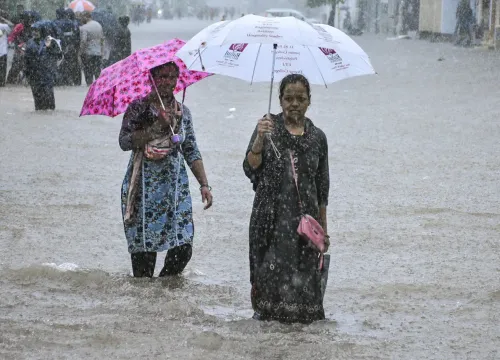
Dang district recorded an average of 263.33 mm of rainfall in the 24 hours ending 23 July, with Waghai logging the highest at 367 mm and both Ahwa and Subir receiving 211 mm each. Rainfall in Dang eased after 8 pm on Thursday, though connectivity restoration efforts continued. According to the Roads and Buildings Department, 41 roads were closed due to water flowing over causeways, small bridges, and slab drains. By 8 am on Friday, 23 roads had reopened as water levels fell, while 18 roads — most in Waghai taluka — remained shut. Alternative routes have been arranged where feasible.
In Morbi district, the approach road to the Dharampur-Timbdi bridge was temporarily closed after water overflowed a diversion at the bridge construction site. Motorists have been directed to use an alternative route via the National Highway until conditions improve.
Rail Disruption and Public Advisories
Train services at Valsad railway station were disrupted due to heavy rainfall. Sanghavi, who visited the station and interacted with stranded passengers, confirmed after speaking with railway officials that the railway line towards Mumbai had been reopened. Authorities have appealed to residents to avoid crossing rivers, canals, or causeways with flowing water, to refrain from unnecessary travel, and to follow advisories issued by the India Meteorological Department (IMD) and local administrations. Citizens have been advised to contact district control rooms for the latest road condition updates.
With the Army now fully engaged and state machinery on high alert, the focus is shifting toward restoring connectivity and preventing a secondary health crisis in the days ahead.
Point of View
376 single-day evacuation figure in Valsad: it is operationally impressive, but it also reflects the scale of communities that were left in harm's way as the rains intensified. The secondary risk — waterborne disease, collapsed sanitation, delayed ration delivery — is where state responses historically falter after the cameras leave. Whether the CM's directive to prioritise health camps and cash transfers translates into ground-level execution before floodwaters fully recede will be the real measure of this response.
NationPress
24 Jul 2026
Frequently Asked Questions
Which areas has the Indian Army been deployed in for Gujarat flood relief?
The Indian Army's Golden Katar Division has deployed flood relief columns in Valsad, Navsari, Ahmedabad city, and Ahmedabad rural areas. Troops are specifically engaged at Dhamdaccha village in Navsari district, assisting civil authorities in rescue and relief operations.
How many people have been evacuated in the Gujarat floods?
According to Deputy Chief Minister Harsh Sanghavi, the Valsad district administration relocated 12,376 people to safer places in a single day amid active flood conditions. Overall evacuations across affected districts are ongoing, with NDRF and SDRF teams also deployed.
How much rainfall did South Gujarat receive?
Dang district recorded an average of 263.33 mm of rainfall in the 24 hours ending 23 July. Waghai received the highest at 367 mm, while Ahwa and Subir each received 211 mm during the same period.
Are roads and train services operational in flood-hit Gujarat?
As of 8 am on Friday, 23 of the 41 closed roads had reopened; 18 roads, mostly in Waghai taluka, remained shut. The Mumbai-bound railway line from Valsad was disrupted but has since been reopened after Deputy CM Sanghavi's intervention with railway officials.
What steps has the Gujarat government taken to manage the flood crisis?
Chief Minister Bhupendra Patel reviewed the situation at the State Emergency Operation Centre in Gandhinagar and directed additional NDRF and SDRF teams to be deployed across affected districts. Deputy CM Sanghavi visited Valsad and instructed officials to prioritise sanitation drives, health camps, and cash assistance to flood-affected families once waters recede.