Indian Bank MD meets CM Joseph Vijay at Tamil Nadu Secretariat
Synopsis
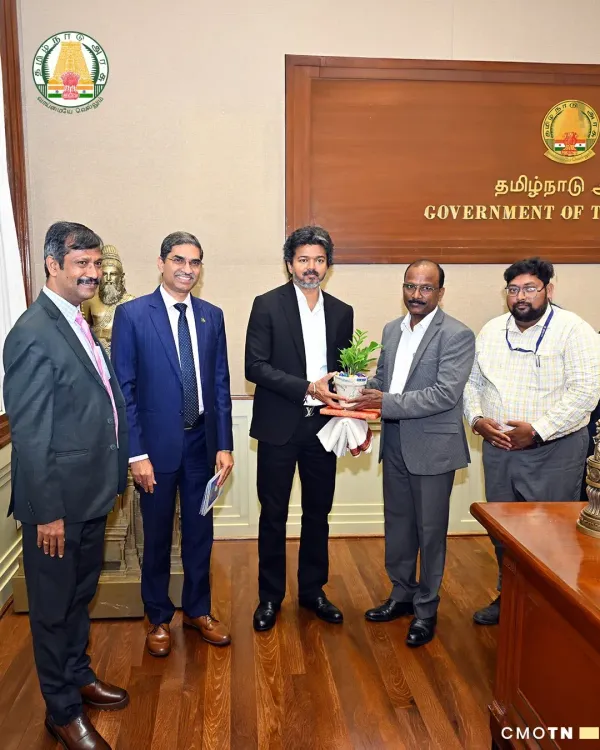
Senior officials of Indian Bank, including its MD and CEO, met Tamil Nadu Chief Minister S. Joseph Vijay at the Secretariat in Chennai on 25 June 2026. The delegation covered Rural Banking and Government Business portfolios, signalling coordination on credit delivery and state welfare scheme implementation.
Key Takeaways
Indian Bank MD and CEO Binod Kumar led a delegation that met Tamil Nadu CM S.
Joseph Vijay on 25 June 2026 .
The meeting was held at the Tamil Nadu Secretariat in Chennai , the state's administrative headquarters.
Senior officials covering Rural Banking and Government Business portfolios were part of the bank's delegation.
Indian Bank is a public sector bank headquartered in Chennai with significant rural and government-linked banking operations in Tamil Nadu.
The engagement reflects routine state-level coordination between governments and public sector banks to drive financial inclusion and welfare scheme delivery .
Possible follow-up outcomes include enhanced rural credit targets or new digital banking linkages between the Tamil Nadu government and Indian Bank.
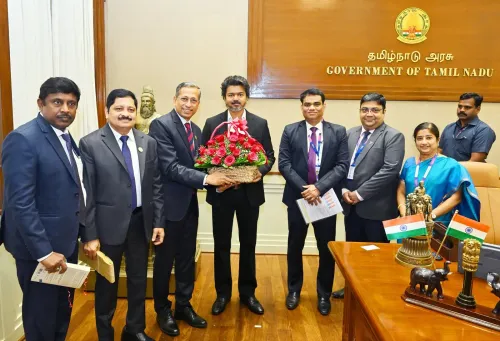
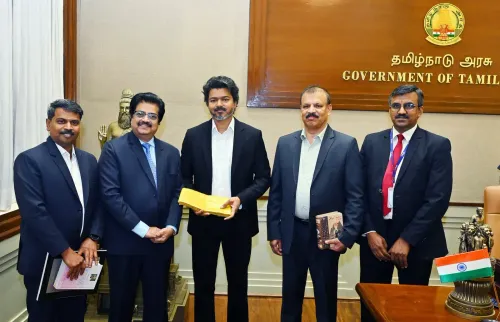
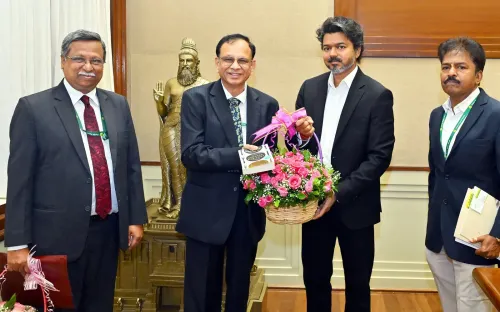
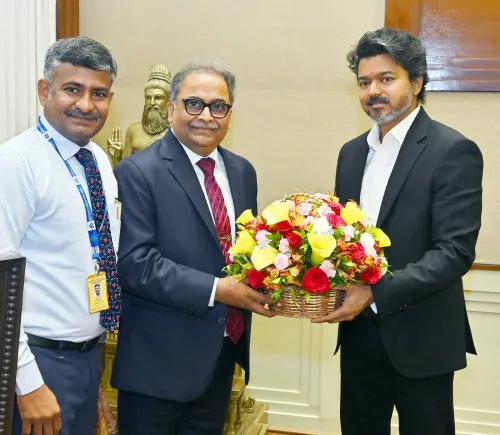
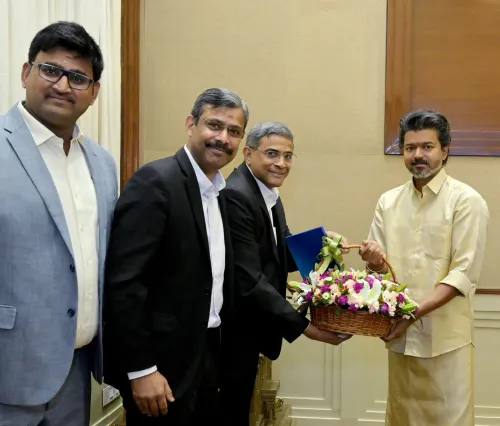
Senior officials of Indian Bank, led by its Managing Director and Chief Executive Officer, called on Tamil Nadu Chief Minister S. Joseph Vijay at the Tamil Nadu Secretariat in Chennai on Thursday, 25 June 2026, for discussions on banking operations in the state. The meeting brought together the bank's top leadership and the Chief Minister's Office to review areas of mutual coordination.
Context
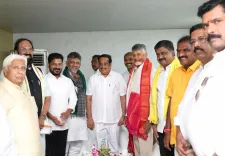
The Chief Minister's Office of Tamil Nadu announced on X (formerly Twitter) that Indian Bank MD and CEO Binod Kumar, along with General Manager (Rural Banking) V. Chandrasekaran, General Manager (Government Business) P. Anbukamraj, and Chief Manager T. Rajesh, met CM Joseph Vijay at the Tamil Nadu Secretariat. The post, written in Tamil, described the delegation's visit as a formal engagement with the Chief Minister at his official headquarters.
Indian Bank is a public sector bank headquartered in Chennai, making it one of the state's most prominent financial institutions with deep roots in rural banking and government-linked financial services across Tamil Nadu.
Policy Backdrop
Indian state governments regularly coordinate with public sector banks to ensure the flow of institutional credit to priority sectors — particularly agriculture, micro, small and medium enterprises (MSMEs), and self-help groups. Such meetings are part of a broader federal framework in which state administrations work alongside centrally-regulated banks to drive financial inclusion and welfare scheme implementation.
The presence of senior officials handling both Rural Banking and Government Business portfolios signals that the discussions likely spanned credit delivery in rural areas as well as the operational mechanics of state-sponsored schemes channelled through the banking system. Tamil Nadu has historically been among the more active states in leveraging public sector bank networks for direct benefit transfers and agriculture credit.
Stakeholders and Impact
The primary stakeholders in such coordination are rural banking customers — farmers, small traders, and self-help group members — who depend on institutional credit for livelihoods. State government departments that disburse welfare payments and subsidies through bank accounts are equally central to this ecosystem.
Indian Bank's dual mandate of serving government business and rural communities places it at the intersection of state policy and grassroots financial access. Strengthened coordination between the bank's leadership and the Chief Minister's Office can translate into faster credit disbursement, improved scheme delivery, and expanded banking outreach in underserved districts of Tamil Nadu.
What's Next
Observers will watch for follow-up announcements from either the Chief Minister's Office or Indian Bank regarding enhanced rural credit targets, new digital banking linkages, or expanded government business arrangements in the state. Formal outcomes of such high-level meetings are typically reflected in subsequent bank circulars or state budget allocations tied to credit-linked welfare programmes.
The meeting reinforces the Tamil Nadu government's ongoing engagement with the public sector banking ecosystem as it seeks to align institutional finance with the state's development priorities.
Point of View
The discussion almost certainly touched on credit flow to agriculture and the mechanics of state welfare disbursements — two perennial pressure points in Tamil Nadu's political economy. For a relatively new Chief Minister, such engagements with institutional financial heads signal an early intent to build working relationships with key public sector actors. The outcome will be worth tracking as a signal of whether Tamil Nadu intends to push for expanded rural credit mandates or new digital infrastructure tied to its welfare architecture.
NationPress
25 Jun 2026
Frequently Asked Questions
Why did Indian Bank officials meet Tamil Nadu CM Joseph Vijay?
Indian Bank's Managing Director and senior officials met Chief Minister S. Joseph Vijay at the Tamil Nadu Secretariat on 25 June 2026 to discuss banking coordination, likely covering rural credit delivery and government business operations in the state.
Who is the MD of Indian Bank in 2026?
According to the Chief Minister's Office of Tamil Nadu, Binod Kumar is the Managing Director and Chief Executive Officer of Indian Bank as of June 2026.
Where is Indian Bank headquartered?
Indian Bank is a public sector bank headquartered in Chennai, Tamil Nadu, giving it a particularly significant role in the state's banking and rural finance ecosystem.
What is discussed when a Chief Minister meets public sector bank officials?
Such meetings typically cover topics like rural credit targets, agriculture loan disbursement, financial inclusion goals, and the smooth delivery of state welfare schemes through the banking network.
Who is Tamil Nadu Chief Minister Joseph Vijay?
S. Joseph Vijay is the Chief Minister of Tamil Nadu, conducting official engagements at the Tamil Nadu Secretariat in Chennai, as confirmed by the official Chief Minister's Office account on X.