Jal Shakti Minister Paatil inaugurates 33 new spillway gates at Tungabhadra Dam
Synopsis
Union Jal Shakti Minister C. R. Paatil inaugurated 33 new spillway gates at the historic Tungabhadra Dam in Karnataka on 25 June 2026. The ceremony, attended by the chief ministers of Karnataka, Andhra Pradesh and Telangana, reflects the Modi government's push to modernise ageing water infrastructure for improved flood safety and irrigation across the Krishna basin.
Key Takeaways
33 new spillway gates were inaugurated at the Tungabhadra Dam in Karnataka on 25 June 2026 by Union Jal Shakti Minister C.
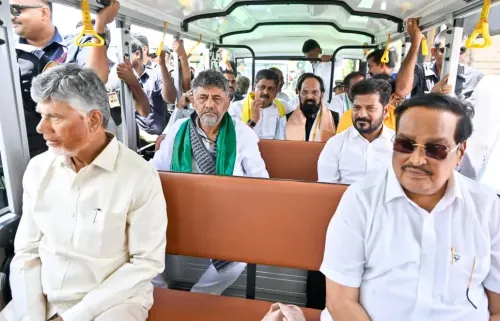
Chief ministers of all three riparian states — D.
Shivakumar (Karnataka), N.
Chandrababu Naidu (Andhra Pradesh) and A.
Revanth Reddy (Telangana) — attended the event.
The Tungabhadra Dam , completed in 1953 , is a shared multipurpose project governed by the Krishna Water Disputes Tribunal award of 2010 .
The upgrade aligns with the Dam Rehabilitation and Improvement Project (DRIP) , which targets structural modernisation of ageing dams across India.
The new gates are expected to improve flood discharge efficiency and strengthen irrigation water security for farmers across the Krishna basin.
The joint multi-party attendance signals cooperative federalism on water infrastructure despite ongoing inter-state water-sharing disputes.
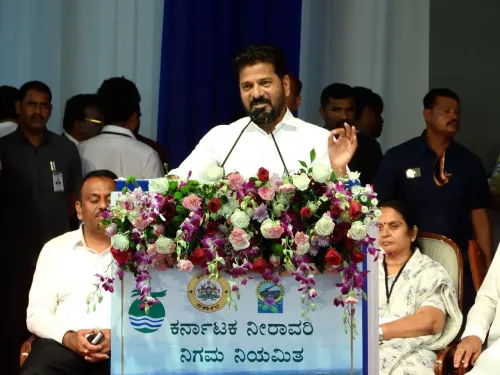
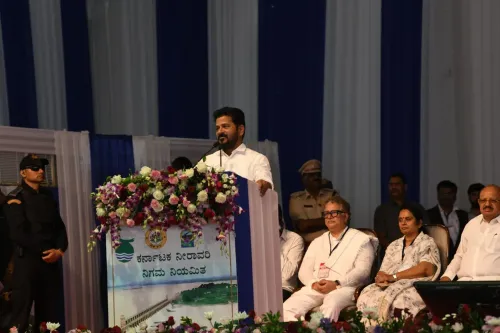
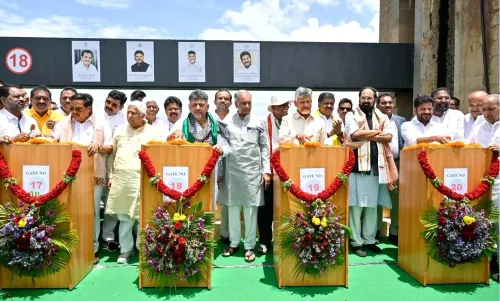
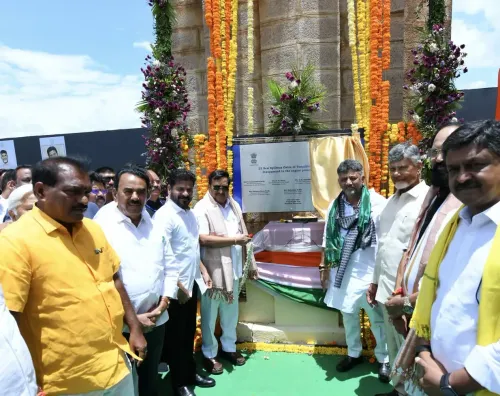
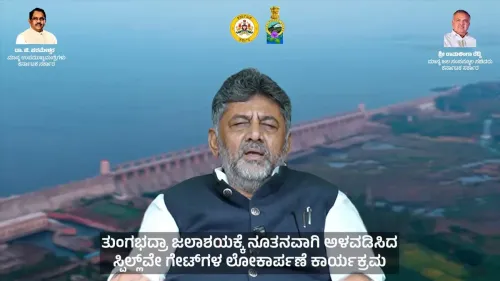
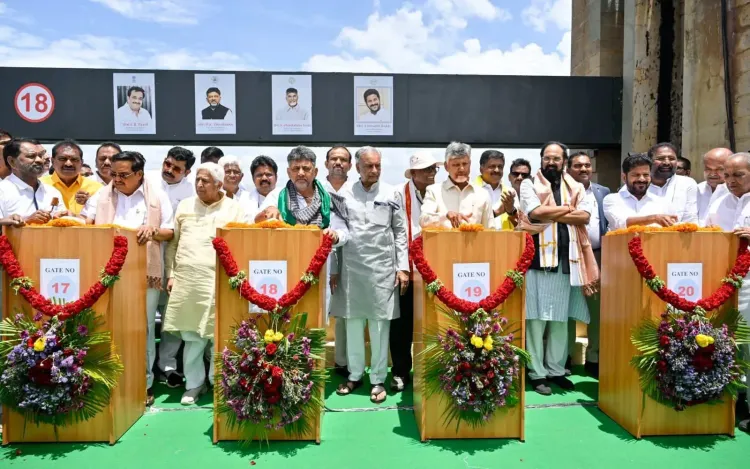
Union Jal Shakti Minister C. R. Paatil on Thursday, 25 June 2026 inaugurated 33 new spillway gates at the historic Tungabhadra Dam in Karnataka, marking a significant structural upgrade to one of India's oldest multipurpose river projects. The ceremony was attended by the chief ministers of all three riparian states — Karnataka, Andhra Pradesh and Telangana — underscoring the inter-state significance of the project.
Context
Paatil, posting in Hindi on X, described the occasion as one of great joy: 'आज कर्नाटक में ऐतिहासिक तुंगभद्रा बांध के 33 नए स्पिलवे गेट्स का लोकार्पण करते हुए अत्यंत प्रसन्नता हुई' ('Today I felt immense happiness inaugurating the 33 new spillway gates of the historic Tungabhadra Dam in Karnataka'). He noted the 'dignified presence' (गरिमामयी उपस्थिति) of Karnataka Chief Minister D. K. Shivakumar, Andhra Pradesh Chief Minister N. Chandrababu Naidu and Telangana Chief Minister A. Revanth Reddy at the event.
The Tungabhadra Dam, completed in 1953 on the Tungabhadra River, was originally a joint Karnataka-Andhra Pradesh project and is now a shared resource among all three states. It serves as a critical node for irrigation and hydropower in the Krishna river basin.
Policy Backdrop
The spillway upgrade fits within the broader framework of the Dam Rehabilitation and Improvement Project (DRIP), launched in 2012 to modernise ageing dams across India, including structural and mechanical overhauls of spillways. The Tungabhadra Dam, now over seven decades old, has been a priority target for such rehabilitation given its role in regulating flows governed by the Krishna Water Disputes Tribunal (KWDT) award of 2010.
Paatil credited Prime Minister Narendra Modi's leadership for the government's commitment, stating the administration remains 'continuously committed to strengthening water security, increasing irrigation capacity, and protecting the interests of farmers through the development of modern water infrastructure.' The Jal Shakti Ministry has increasingly focused on structural modernisation of existing dams rather than constructing new large reservoirs.
Stakeholders and Impact
The new spillway gates are expected to improve flood discharge efficiency and reduce structural risk at the dam, directly benefiting farmers across the Krishna basin who depend on the reservoir for kharif and rabi irrigation. Karnataka, Andhra Pradesh and Telangana together draw upon Tungabhadra waters for millions of hectares of agricultural land.
The joint presence of three chief ministers from different political formations at a Union government-led inauguration is notable. It signals a degree of cooperative federalism on water infrastructure even as the three states have historically contested water allocations under the KWDT framework. Shivakumar (Karnataka), Naidu (Andhra Pradesh) and Revanth Reddy (Telangana) each have distinct political alignments, making their shared participation at a BJP-led Union ministry event significant.
What's Next
Attention will now turn to follow-up meetings of the Tungabhadra Board, the inter-state body that governs dam operations and water releases, to determine how the upgraded spillway infrastructure will alter seasonal water management protocols. Any further phases of dam rehabilitation under DRIP-II or state-specific spillway projects in the Krishna basin are also expected to be shaped by the outcomes of this inauguration. The event may also renew discussions on updating the KWDT water-sharing formula to reflect changed storage and discharge capacities.
Point of View
The Jal Shakti Ministry signals that structural water security can serve as a rare zone of political consensus. For Minister Paatil, the event reinforces the Modi government's narrative of modernising Nehruvian-era infrastructure rather than building anew — a politically safe and fiscally pragmatic posture. Whether the upgraded spillway capacity translates into revised water-sharing protocols at the Tungabhadra Board level will be the real test of whether this inauguration marks a policy turning point or remains a ceremonial milestone.
NationPress
24 Sept 2026
Frequently Asked Questions
What was inaugurated at Tungabhadra Dam on 25 June 2026?
Union Jal Shakti Minister C. R. Paatil inaugurated 33 new spillway gates at the Tungabhadra Dam in Karnataka on 25 June 2026, as part of a structural modernisation of the historic dam.
Which states share the Tungabhadra Dam?
The Tungabhadra Dam is a shared resource among Karnataka, Andhra Pradesh and Telangana, with water allocations governed by the Krishna Water Disputes Tribunal award of 2010.
Why are spillway gates important for a dam?
Spillway gates regulate excess water discharge during floods, protecting the dam structure and downstream areas. Upgrading them improves flood safety and ensures more efficient water management for irrigation.
What is the Dam Rehabilitation and Improvement Project (DRIP)?
DRIP is a central government scheme launched in 2012 to modernise ageing dams across India through structural repairs, spillway upgrades and safety improvements, with the Tungabhadra Dam among its priority projects.
Who attended the Tungabhadra Dam spillway inauguration?
Besides Union Minister C. R. Paatil, the chief ministers of all three riparian states attended — D. K. Shivakumar of Karnataka, N. Chandrababu Naidu of Andhra Pradesh and A. Revanth Reddy of Telangana.