CM Chandrababu, Three CMs Inaugurate Tungabhadra Dam Spillway Gates
Synopsis
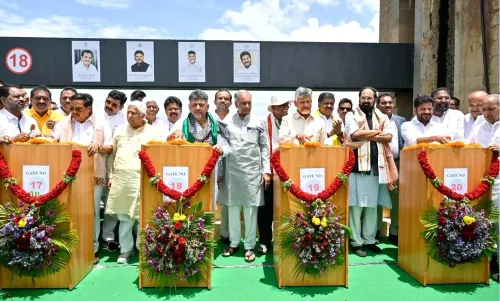
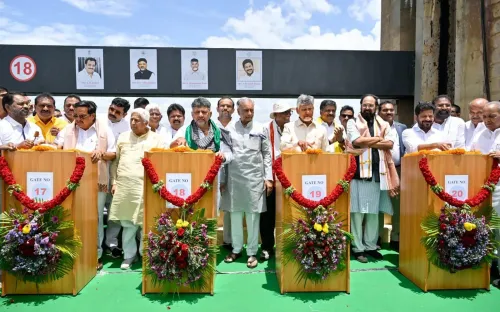
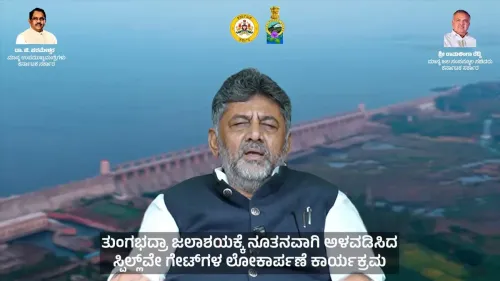
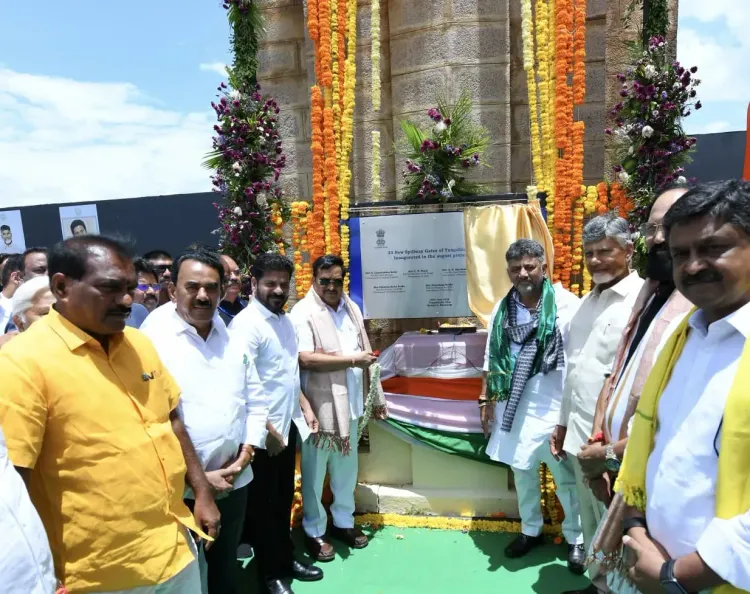
AP CM Chandrababu Naidu, Telangana CM Revanth Reddy, Karnataka CM D. K. Shivakumar, and Union Jal Shakti Minister C. R. Patil jointly inaugurated 33 new spillway gates at the Tungabhadra Dam in Vijayanagara district, Karnataka, on 25 June 2026, in a joint project funded at Rs. 51 crore by Andhra Pradesh and Karnataka.
Key Takeaways
33 new spillway gates were inaugurated at the Tungabhadra Dam in Vijayanagara district, Karnataka on 25 June 2026 .
The project was jointly funded by Andhra Pradesh and Karnataka at a cost of Rs.
The ceremony was attended by Union Jal Shakti Minister C.
Patil and the chief ministers of all three riparian states.
The Tungabhadra Dam , built in 1953 , serves irrigation and hydropower needs across Karnataka, Andhra Pradesh, and Telangana.
The upgrade enhances the dam's flood discharge capacity and structural safety for millions of farmers in the Krishna basin .
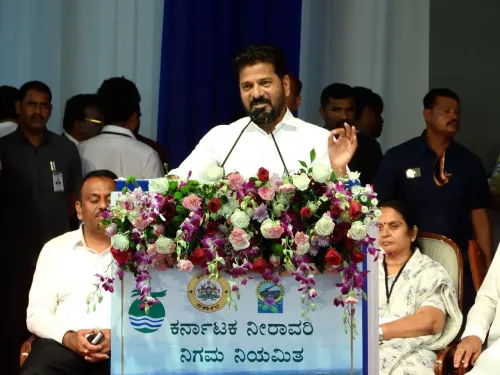
The Chief Minister's Office of Andhra Pradesh announced on Thursday, 25 June 2026 that new spillway gates at the Tungabhadra Dam in Vijayapura district, Karnataka were inaugurated at a joint ceremony attended by chief ministers of three riparian states and a Union minister.
What Happened
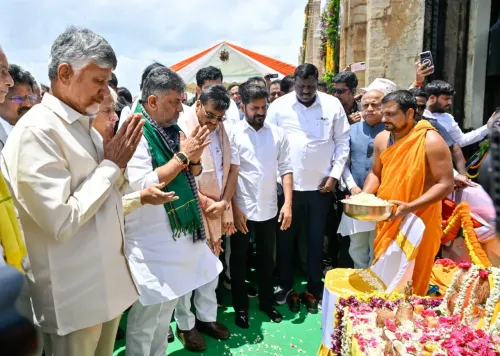
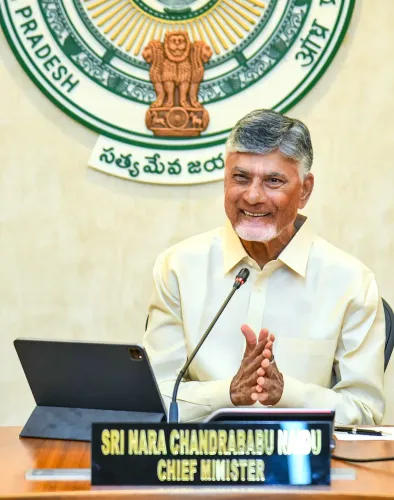
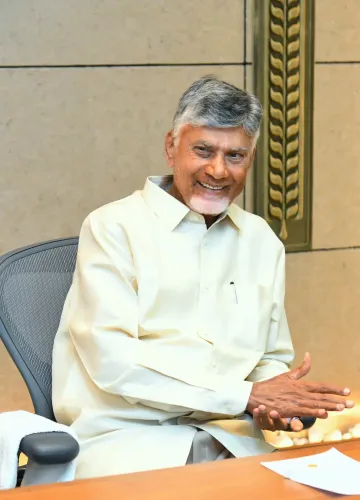
Union Minister of Jal Shakti C. R. Patil, Andhra Pradesh Chief Minister Nara Chandrababu Naidu, Telangana Chief Minister A. Revanth Reddy, and Karnataka Chief Minister D. K. Shivakumar jointly inaugurated 33 new spillway gates at the dam. The post, shared in Telugu, confirmed the event took place in Vijayanagara district, Karnataka.
The governments of Andhra Pradesh and Karnataka jointly funded the installation at a cost of Rs. 51 crore. The presence of all three riparian state chief ministers alongside the Union minister signals a rare moment of multi-state coordination on shared water infrastructure.
Context
The Tungabhadra Dam, completed in 1953 as a joint project of the then Hyderabad and Mysore states, is one of South India's most significant reservoirs. It serves irrigation and hydropower needs across Karnataka, Andhra Pradesh, and Telangana, and is governed by the inter-state statutory Tungabhadra Board, constituted in the same year.
The dam has faced long-standing challenges including sedimentation build-up and structural stress from extreme rainfall events. Upgrading the spillway gates is part of a broader national focus on dam safety and rehabilitation of ageing water infrastructure.
Policy Backdrop
Southern states have periodically collaborated on the upkeep of early post-independence dams despite recurring disputes over Krishna and Tungabhadra river water allocations. The installation of 33 new gates reflects priorities around spillway capacity enhancement to handle increased flood discharge safely.
The Union Ministry of Jal Shakti has been pushing dam rehabilitation programmes nationally, and the participation of Minister C. R. Patil underscores central government backing for such inter-state works. The joint funding model between Andhra Pradesh and Karnataka demonstrates cost-sharing between beneficiary states.
Stakeholders and Impact
Millions of farmers in the Krishna basin across Karnataka, Andhra Pradesh, and Telangana depend on the Tungabhadra reservoir for irrigation water. Upgraded spillway gates improve the dam's ability to manage excess water during monsoon peaks, reducing downstream flood risk and ensuring more reliable storage for the kharif and rabi seasons.
For Andhra Pradesh in particular, where Chief Minister Chandrababu Naidu has long prioritised irrigation infrastructure, the upgrade directly benefits districts drawing water from the Tungabhadra system.
What's Next
Attention will now turn to the next scheduled meeting of the Tungabhadra Board and whether the three states will advance further rehabilitation proposals under national dam improvement programmes. The joint inauguration may also set a precedent for accelerated inter-state cooperation on other ageing dams in the Deccan river network.
Point of View
Participation in such events reinforces his long-held positioning as a champion of irrigation infrastructure, lending political capital alongside the practical benefit to AP farmers. The Rs. 51 crore bilateral funding model between Andhra Pradesh and Karnataka also sets a template that could be replicated for other ageing dams in the Deccan river network. Ultimately, the event signals that structural dam safety — long overshadowed by water allocation politics — is gaining traction as a shared priority.
NationPress
24 Sept 2026
Frequently Asked Questions
What are the new spillway gates inaugurated at Tungabhadra Dam?
33 new spillway gates were inaugurated at the Tungabhadra Dam in Vijayanagara district, Karnataka on 25 June 2026, replacing older gates to improve the dam's flood discharge capacity and structural safety.
How much did the Tungabhadra Dam spillway gate project cost?
The project cost Rs. 51 crore, jointly funded by the governments of Andhra Pradesh and Karnataka.
Who attended the Tungabhadra Dam inauguration ceremony?
Union Jal Shakti Minister C. R. Patil, AP CM Nara Chandrababu Naidu, Telangana CM A. Revanth Reddy, and Karnataka CM D. K. Shivakumar attended the inauguration.
Why is the Tungabhadra Dam important for Andhra Pradesh?
The Tungabhadra Dam, completed in 1953, is a critical source of irrigation water for farmers in Andhra Pradesh, Karnataka, and Telangana through the Krishna basin canal network.
What is the Tungabhadra Board?
The Tungabhadra Board is an inter-state statutory body constituted in 1953 to regulate the Tungabhadra reservoir and allocate its waters among the riparian states of Karnataka, Andhra Pradesh, and Telangana.