Jal Shakti Minister Paatil Meets Three Southern CMs in Karnataka
Synopsis
Union Jal Shakti Minister C. R. Paatil met the chief ministers of Karnataka, Andhra Pradesh, and Telangana on 25 June 2026 during a Karnataka visit, discussing water conservation, water security, and the time-bound implementation of central water schemes under PM Modi's leadership.
Key Takeaways
Union Jal Shakti Minister C.
Paatil visited Karnataka on 25 June 2026 and held consultations on water ministry matters.
He met Karnataka CM D.
Shivakumar , Andhra Pradesh CM N.
Chandrababu Naidu , and Telangana CM A.
Revanth Reddy during the visit.
Discussions covered water conservation , water security , and the effective and time-bound implementation of Jal Shakti Ministry schemes.
The Jal Jeevan Mission , launched in 2019 , and inter-state coordination on the Krishna-Godavari basin are key policy contexts for the meeting.
The consultations span governments of different political parties, reflecting a cross-party approach to central water programme delivery.
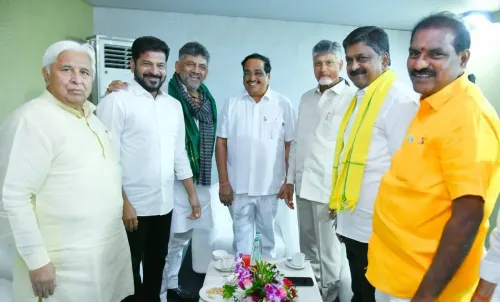
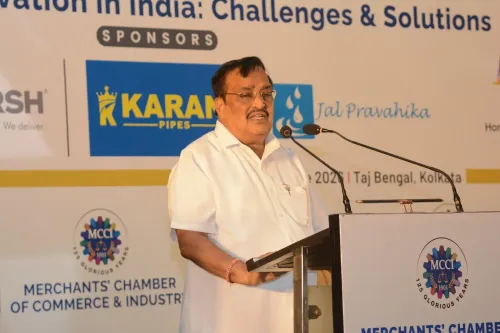
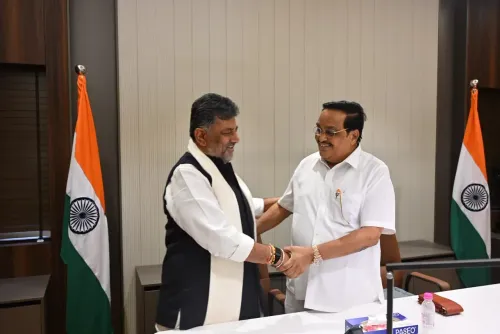
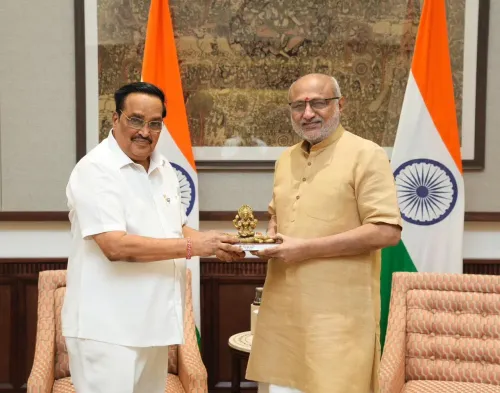
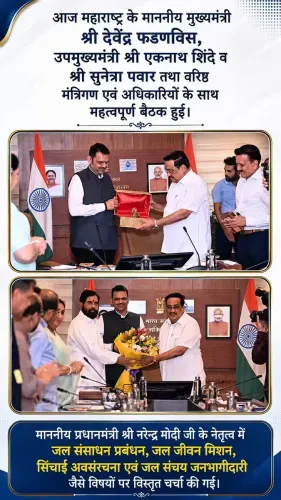
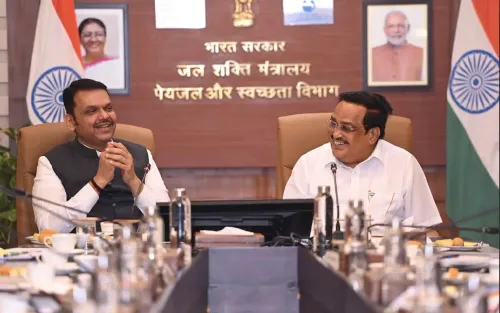
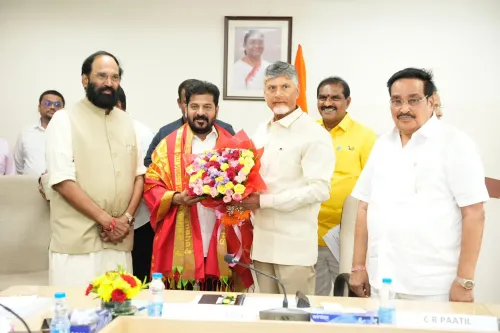
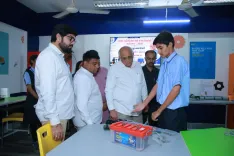
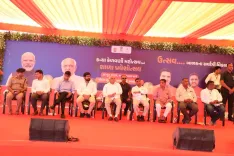
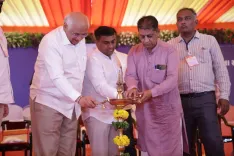
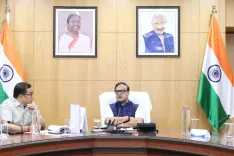
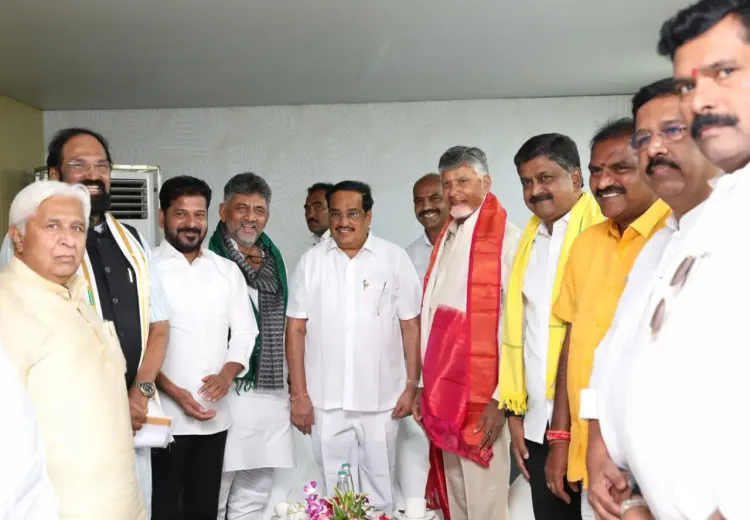
Union Jal Shakti Minister C. R. Paatil held consultations with the chief ministers of Karnataka, Andhra Pradesh, and Telangana during a visit to Karnataka on Thursday, 25 June 2026, discussing a range of issues related to the Jal Shakti Ministry and the effective implementation of central water schemes across the three southern states.
Context
Paatil met separately with Karnataka Chief Minister D. K. Shivakumar, Andhra Pradesh Chief Minister N. Chandrababu Naidu, and Telangana Chief Minister A. Revanth Reddy during his Karnataka visit. In a post on X, the minister described the engagements as deliberations on 'jal sanrakshan, jal suraksha evam Jal Shakti Mantralaya ki vibhinn yojanaon ke prabhavi aur samayabaddh kriyaanvayan' — that is, 'water conservation, water security, and the effective and time-bound implementation of the various schemes of the Jal Shakti Ministry.'
Paatil attributed the initiative to the leadership of Prime Minister Narendra Modi, stating that the Centre is 'continuously working in collaboration with states' towards these goals.
Policy Backdrop
The Ministry of Jal Shakti was constituted in May 2019 by merging the erstwhile ministries of Water Resources and Drinking Water and Sanitation, consolidating the Centre's water governance mandate under a single umbrella. Its flagship programme, the Jal Jeevan Mission, was launched in 2019 with the objective of providing functional household tap connections to every rural home in India.
The three states that featured in Thursday's meetings — Karnataka, Andhra Pradesh, and Telangana — share the Krishna and Godavari river basins, which have historically been the subject of inter-state water allocation disputes adjudicated through dedicated tribunals. Coordinated meetings between the Centre and these state governments have become a recurring feature of water resource administration in peninsular India, particularly around scheme implementation and project clearances.
The Union government's approach reflects what it has described as 'cooperative federalism' — engaging state governments across party lines to ensure time-bound delivery of centrally sponsored water programmes.
Stakeholders and Impact
The discussions are directly relevant to farmers and rural households in the Krishna-Godavari basin across all three states, where access to irrigation water and safe drinking water remains a priority concern. The Jal Jeevan Mission's tap-connection targets in rural Karnataka, Andhra Pradesh, and Telangana form a significant part of the national programme's pending workload.
The meeting brings together governments of differing political affiliations — Shivakumar leads a Congress government in Karnataka, Naidu heads a TDP-led alliance in Andhra Pradesh, and Revanth Reddy leads a Congress government in Telangana — signalling that water resource coordination is being pursued across the political spectrum.
What's Next
Follow-up announcements on project clearances, fund releases under central water schemes, or further bilateral engagements between the four governments are possible outcomes of Thursday's consultations. Parliamentary updates on the Jal Jeevan Mission's progress in southern states, as well as any movement on inter-state river-water sharing frameworks, will be closely watched by stakeholders in the region.
Point of View
Who took charge of the Jal Shakti Ministry as a senior BJP leader, convening chief ministers from Congress-ruled Karnataka and Telangana alongside TDP-led Andhra Pradesh is a deliberate demonstration of cooperative federalism in action. The Krishna-Godavari basin context adds a layer of inter-state complexity that goes beyond routine scheme monitoring, suggesting the discussions may also touch on unresolved allocation questions. How quickly follow-up actions materialise will determine whether this round of consultations translates into measurable progress on the ground.
NationPress
25 Jun 2026
Frequently Asked Questions
Why did C. R. Paatil meet southern chief ministers in Karnataka?
C. R. Paatil, Union Jal Shakti Minister, met the chief ministers of Karnataka, Andhra Pradesh, and Telangana on 25 June 2026 to discuss water conservation, water security, and the time-bound implementation of Jal Shakti Ministry schemes in the three states.
Who did C. R. Paatil meet during his Karnataka visit on 25 June 2026?
He met Karnataka Chief Minister D. K. Shivakumar, Andhra Pradesh Chief Minister N. Chandrababu Naidu, and Telangana Chief Minister A. Revanth Reddy.
What is the Jal Jeevan Mission and how does it relate to this meeting?
The Jal Jeevan Mission is a central government programme launched in 2019 to provide functional household tap connections to every rural home in India. The southern states of Karnataka, Andhra Pradesh, and Telangana are among the key implementation states discussed in such Centre-state meetings.
What is the Jal Shakti Ministry?
The Jal Shakti Ministry was created in May 2019 by merging the ministries of Water Resources and Drinking Water and Sanitation. It is responsible for water conservation, river development, and drinking water programmes across India.
Why do Karnataka, Andhra Pradesh, and Telangana need central coordination on water issues?
All three states share the Krishna and Godavari river basins, which have long been the subject of inter-state water allocation disputes. Central coordination helps manage scheme implementation and resolve sharing frameworks across state boundaries.