Indian Coast Guard fleet expansion: ICG meets shipbuilders on future platforms
Synopsis
The Indian Coast Guard is quietly rewriting its shipbuilding blueprint. At a rare industry-wide conference in New Delhi, ICG chief Paramesh Sivamani brought together every major Indian shipyard to co-develop specs for next-gen platforms — a signal that the force's Atmanirbhar pivot is moving from policy to procurement.
Key Takeaways
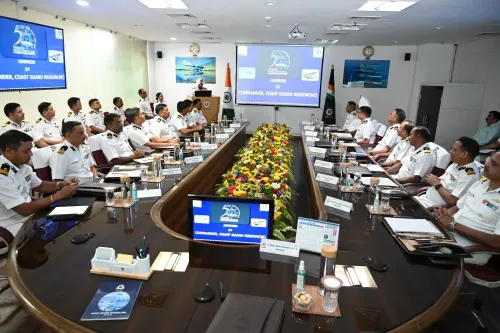
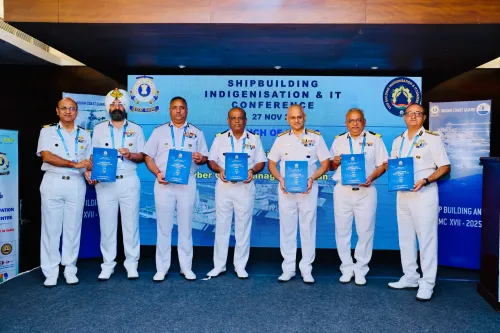
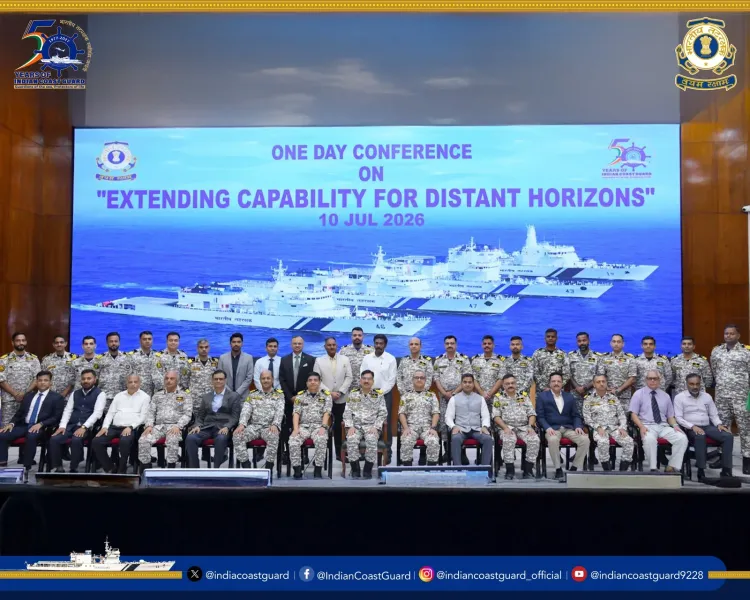
The Indian Coast Guard hosted a one-day conference titled 'Extending Capability for Distant Horizons' in New Delhi on 10 July .
Director General Paramesh Sivamani inaugurated the event; participants included GRSE , CSL , GSL , L&T Shipbuilding , and others.
Mazagon Dock Shipbuilders Ltd (MDL) is building six Next Generation Offshore Patrol Vessels with 5,000 nautical mile endurance and a top speed of 23 knots .
New Air Cushion Vehicles (ACVs) with high indigenous content are being inducted to replace ageing hovercrafts.
All future ICG and Navy platforms will be built exclusively by Indian shipyards , in line with the Atmanirbhar Bharat mandate.
The Indian Coast Guard (ICG) on Friday, 10 July convened a one-day industry conference titled 'Extending Capability for Distant Horizons' at its headquarters in New Delhi, bringing together leading Indian shipyards and design houses to shape the next generation of maritime platforms. The event underlines the ICG's push to modernise its fleet with technologically advanced, indigenously built vessels capable of sustained deep-sea operations.
Who Was in the Room
The conference was inaugurated by Paramesh Sivamani, Director General of the Indian Coast Guard. Participants included representatives from Garden Reach Shipbuilders and Engineers (GRSE), Cochin Shipyard Limited (CSL), Goa Shipyard Limited (GSL), L&T Shipbuilding, TAI Engineers, SeaTech Solutions, Conceptia, and SEDS, alongside ICG naval architects and technical officers. The deliberations centred on developing quantifiable request-for-proposal specifications for future special-role and multi-role platforms.
Next Generation Offshore Patrol Vessels
Mazagon Dock Shipbuilders Ltd (MDL) is currently building six Next Generation Offshore Patrol Vessels (NGOPVs) for the ICG. Each vessel will measure 117 metres in length, accommodate 11 officers and 110 sailors, and carry an endurance of 5,000 nautical miles — enabling the force to operate farther from shore for extended periods. The ships will achieve a maximum speed of 23 knots and feature an array of advanced systems including AI-based predictive maintenance, remotely-piloted drones, an Integrated Bridge System, and an Integrated Platform Management System.
Modern Hovercrafts and Shallow-Water Reach
The ICG has also begun inducting new Air Cushion Vehicles (ACVs) — commonly known as hovercrafts — to replace its ageing fleet. These platforms are critical for operations in shallow coastal waters, marshy terrain, and sandbars, filling a capability gap that conventional vessels cannot address. The new ACVs carry a high degree of indigenous content, consistent with the broader Atmanirbhar Bharat mandate.
The Atmanirbharta Imperative
A defining theme of the conference was self-reliance. According to officials, all future platforms for both the Indian Navy and the ICG will henceforth be built exclusively by Indian shipyards. An official said the discussions focused on 'emerging operational challenges, advanced ship design philosophies, digital validation, adoption of modern technologies and enhancing the operational effectiveness of future multi-role Coast Guard vessels.' The conference, officials added, 'reaffirmed the Indian Coast Guard's commitment towards fostering close collaboration with the Indian shipbuilding industry, promoting indigenous capability development and building technologically advanced, resilient and future-ready maritime platforms.'
What Comes Next
While Coast Guard vessels of the future are not envisioned as heavily armed warships, officials stressed they must be highly technology-driven to counter modern maritime threats and sustain daily operations. The transition from broad qualitative requirements to measurable capability parameters — a key output of Friday's deliberations — is expected to feed directly into upcoming procurement specifications. The next step will be the issuance of formal requests for proposal to Indian shipyards.
Point of View
The ICG is attempting to close the gap between stated indigenous ambition and actual procurement outcomes, a gap that has dogged Indian defence acquisition for decades. The inclusion of AI-based predictive maintenance and drone integration in the NGOPVs signals that the ICG is designing for a threat environment, not just a tonnage target. The harder test will be whether Indian design houses can deliver on digital validation and systems integration at the pace the ICG's expanding maritime mandate demands.
NationPress
11 Jul 2026
Frequently Asked Questions
What was the Indian Coast Guard conference on 10 July about?
The ICG convened a one-day conference in New Delhi on 10 July to deliberate on future shipbuilding platforms with leading Indian shipyards and design houses. The goal was to translate broad operational requirements into quantifiable technical specifications for upcoming procurement projects.
Which shipbuilders participated in the ICG conference?
Participants included Garden Reach Shipbuilders and Engineers (GRSE), Cochin Shipyard Limited (CSL), Goa Shipyard Limited (GSL), L&T Shipbuilding, TAI Engineers, SeaTech Solutions, Conceptia, and SEDS, along with ICG naval architects and technical officers.
What are the Next Generation Offshore Patrol Vessels being built for the ICG?
Mazagon Dock Shipbuilders Ltd (MDL) is building six Next Generation Offshore Patrol Vessels for the ICG. Each ship will be 117 metres long, carry 11 officers and 110 sailors, cruise up to 23 knots, and have a 5,000 nautical mile endurance, equipped with AI-based maintenance systems and remotely-piloted drones.
Why is the ICG inducting new Air Cushion Vehicles?
The ICG is replacing its ageing hovercraft fleet with new Air Cushion Vehicles (ACVs) that carry high indigenous content. These platforms are essential for operations in shallow waters, marshy terrain, and sandbars where conventional vessels cannot operate.
What does the Atmanirbhar Bharat mandate mean for ICG procurement?
Under the Atmanirbhar Bharat self-reliance push, all future platforms for both the Indian Coast Guard and the Indian Navy will be built exclusively by Indian shipyards. This policy shift was a central theme of the 10 July conference.