Qadian–Beas railway line gets ₹1,419 crore sanction, a milestone for Punjab's Majha region
Synopsis
A railway project first drawn up in 1928 has finally secured a ₹1,419.05 crore sanction — nearly a century after construction was abandoned. The 39.68-km Qadian–Beas broad-gauge line will connect Gurdaspur and Amritsar districts, bringing Kavach safety technology and 121 bridges to one of Punjab's most rail-deprived belts.
Key Takeaways
The Railway Board has sanctioned ₹1,419.05 crore for the 39.68-km Qadian–Beas broad-gauge railway line in Punjab.
The project was first conceived in 1928–29 and was previously estimated at just ₹205 crore when revived in 2010–11 .
The corridor will connect Qadian (Gurdaspur district) to Beas (Amritsar district) via Dhapai, Ghuman, Butala, and Sathiala.
Infrastructure includes 11 major bridges , 121 minor bridges , 54 road under-bridges , and Kavach automatic train protection technology.
The Union government formally announced revival of the line in June 2026 ; BJP leader Ravneet Singh Bittu credited his personal advocacy for defreezing the project.
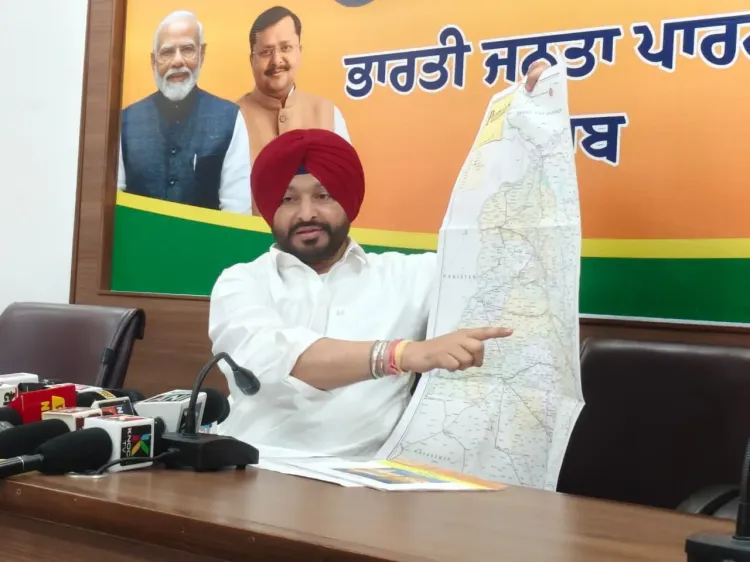
The 39.68-km Qadian–Beas broad-gauge railway line has received a detailed estimate sanction of ₹1,419.05 crore from the Railway Board, marking a decisive step forward for a project first conceived in 1928. Former Minister of State for Railways and Bharatiya Janata Party (BJP) leader Ravneet Singh Bittu on Sunday, 17 August described the development as a major milestone for Punjab and a historic breakthrough for the Majha region.
A Project Nearly a Century in the Making
The Qadian–Beas railway corridor was originally approved during 1928–29, with construction making substantial progress before being discontinued in the early 1930s. Decades later, it was revived under the Socially Desirable Rail Connectivity Programme and included in the Supplementary Railway Budget of 2010–11 as a new line project, with an estimated cost of approximately ₹205 crore at the time. Despite that sanction, the project remained stalled for years owing to technical, alignment, land acquisition, and procedural hurdles.
In June 2026, the Union government formally announced the revival of the rail line. The Railway Board has now placed the detailed estimate at ₹1,419.05 crore — a figure that reflects nearly a century of inflation, revised alignment, and upgraded infrastructure standards.
What the New Railway Line Will Cover
The proposed corridor will link Qadian in Gurdaspur district with Beas in Amritsar district, passing through Dhapai, Ghuman, Butala, and Sathiala. The alignment will bring several previously underserved areas of the Majha region onto the national railway network for the first time in modern rail history.
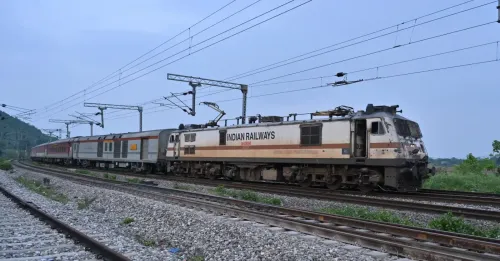
Infrastructure along the corridor includes crossing stations at Ghuman and Butala, 11 major bridges, 121 minor bridges, 54 road under-bridges, and modern signalling and telecommunication systems. The line will also feature Kavach — the Indian Railways' automatic train protection technology — underscoring the government's push for safety-first infrastructure.
What Bittu Said
'I personally pursued this long-pending project and ensured that the Qadian–Beas line, which had remained stuck for years, was defrozen and brought back into active consideration,' Bittu told the media in Chandigarh. He said he repeatedly took up the matter with the Railway Ministry and railway officials during his tenure to push for defreezing. Bittu also expressed gratitude to Prime Minister Narendra Modi and Union Railways Minister Ashwini Vaishnaw for advancing the long-pending project.
Impact on the Majha Region
According to Bittu, Gurdaspur and Batala will gain substantially from improved railway access through the Qadian corridor, while Beas will serve as a key connectivity node to the wider rail network. 'This will make movement of people, agricultural produce, traders, students and pilgrims easier and more efficient and will strengthen economic linkages between towns and villages of the Majha region,' he said.
Notably, the Majha belt — spanning parts of Amritsar and Gurdaspur districts — has historically relied on road transport for inter-district movement, making the new rail link a structural upgrade for local commerce and mobility. With the sanction now formalised, the project moves into implementation planning, though land acquisition and civil works timelines are yet to be officially announced.
Point of View
419 crore sanction is a bureaucratic milestone, but the real test begins now — land acquisition in the Majha belt has historically been contentious, and the project has already been revived and stalled at least once before. Bittu's claim of personal credit is politically timed, arriving as the BJP works to consolidate its standing in Punjab ahead of the next electoral cycle. The inclusion of Kavach technology signals genuine infrastructure intent, but until civil works tenders are floated and a completion timeline is published, this remains a sanction on paper rather than steel in the ground.
NationPress
1 Oct 2026
Frequently Asked Questions
What is the Qadian–Beas railway line project?
The Qadian–Beas railway line is a proposed 39.68-km broad-gauge corridor connecting Qadian in Gurdaspur district to Beas in Amritsar district in Punjab. First conceived in 1928–29, it has received a fresh Railway Board sanction of ₹1,419.05 crore in 2026 after decades of delays.
Why was the Qadian–Beas project stalled for so long?
The project was originally abandoned in the early 1930s after partial construction. When revived in the Supplementary Railway Budget of 2010–11, it was again held up by technical, alignment, land acquisition, and procedural issues, keeping it inactive for over a decade before the June 2026 revival announcement.
What infrastructure will the new railway line include?
The corridor will feature crossing stations at Ghuman and Butala, 11 major bridges, 121 minor bridges, 54 road under-bridges, modern signalling and telecommunication systems, and Kavach automatic train protection technology.
Who will benefit from the Qadian–Beas railway line?
Residents of Gurdaspur, Batala, and Beas will gain improved railway access, along with traders, students, agricultural producers, and pilgrims in the broader Majha region. Several previously underserved towns and villages along the alignment will be connected to the national rail network for the first time.
What role did Ravneet Singh Bittu play in the project?
Bittu, former Minister of State for Railways and BJP leader, has claimed he personally advocated for defreezing the project during his ministerial tenure, repeatedly engaging with the Railway Ministry and officials. He has credited Prime Minister Narendra Modi and Railways Minister Ashwini Vaishnaw with advancing the sanction.