Kiul-Jhajha third railway line: Bihar gets ₹961.71 crore project sanctioned
Synopsis
The Centre has cleared a ₹961.71 crore third railway line between Kiul and Jhajha — a 53.92-km stretch on the packed Patna-Kolkata corridor. With civil works, electrification, and S&T all budgeted, this is one of the most detailed railway sanctions Bihar has received in recent years, and a direct boost to the state's freight and industrial ambitions.
Key Takeaways
The Ministry of Railways has sanctioned a third railway line between Kiul and Jhajha in Bihar at ₹961.71 crore .
The corridor is 53.92 kilometres long and lies on the critical Patna–Kolkata main rail route.
Cost split: ₹663.04 crore (civil works), ₹76.04 crore (electrification), ₹222.63 crore (signalling and telecom).
Funding is through the 'Capital (GBS)' head under the umbrella scheme for network capacity enhancement in 2025–26 .
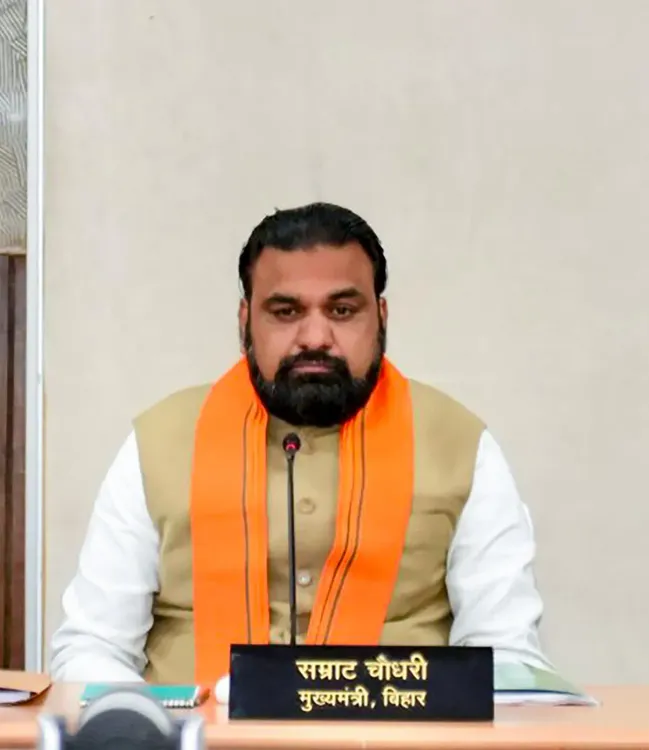
CM Samrat Choudhary credited PM Narendra Modi and Railway Minister Ashwini Vaishnaw for the approval.
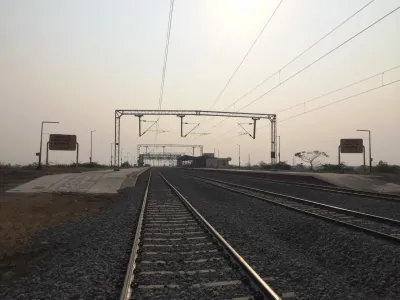
The Ministry of Railways has sanctioned the construction of a third railway line between Kiul and Jhajha in Bihar at a total estimated cost of ₹961.71 crore, Chief Minister Samrat Choudhary announced on Tuesday, 26 May. The 53.92-kilometre corridor upgrade is expected to ease chronic congestion on one of eastern India's busiest rail arteries.
Project Breakdown and Funding
According to a notification issued from the office of Deepak Singh, Director of Gati Shakti at the Railway Board, the President has formally sanctioned the project. The cost has been allocated across three heads: ₹663.04 crore for civil works, ₹76.04 crore for electrification, and ₹222.63 crore for signalling and telecommunication (S&T) infrastructure.
The project will be funded under the 'Capital (GBS)' head through the umbrella scheme for doubling, tripling, quadrupling, flyover, and bypass works aimed at enhancing railway network capacity during 2025–26. The proposal has also received concurrence from the Finance Directorate.
Why This Corridor Matters
The Kiul–Jhajha section sits on the main rail corridor linking Patna with Kolkata, considered one of the most congested routes in the country. Railway officials believe the addition of a third line will improve train movement efficiency and strengthen both freight and passenger connectivity across eastern India. This comes amid sustained pressure on the corridor from rising goods traffic tied to Bihar's expanding logistics sector.
Political Significance and Government Response
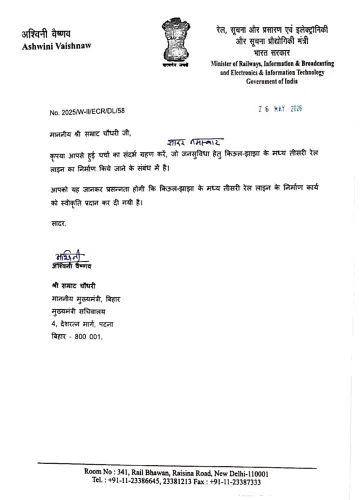
Chief Minister Samrat Choudhary shared the development through a post on X, thanking Prime Minister Narendra Modi and Union Railway Minister Ashwini Vaishnaw for approving the project. He described the expansion as a reflection of the development agenda being pursued under the NDA's 'double-engine government' model in Bihar. Earlier, Vaishnaw had formally communicated the approval to the Bihar government through an official letter.
Expected Economic Impact
Beyond passenger convenience, the project is expected to support trade, logistics, and industrial expansion in Bihar by improving freight movement across the region. The Bihar government has been actively working to attract industrial investment into the state, and improved rail infrastructure is seen as a key enabler for that push. Notably, this sanction aligns with the Centre's broader push to upgrade high-density corridors under the Gati Shakti National Master Plan.
Execution timelines and a formal project launch date are yet to be announced by railway authorities.
Point of View
And the gap between sanction and completion has historically been wide. The real measure of this project will be its execution speed, not its announcement. With ₹663 crore earmarked for civil works alone, contractor capacity and land acquisition — perennial bottlenecks in Bihar — will determine whether this corridor upgrade delivers before the next election cycle.
NationPress
21 Sept 2026
Frequently Asked Questions
What is the Kiul-Jhajha third railway line project?
It is a sanctioned upgrade to add a third track on the 53.92-kilometre Kiul–Jhajha section in Bihar, at a total estimated cost of ₹961.71 crore. The corridor is part of the main rail route connecting Patna with Kolkata and is one of the busiest in eastern India.
How much does the Kiul-Jhajha railway project cost and how is it funded?
The total sanctioned cost is ₹961.71 crore, split across civil works (₹663.04 crore), electrification (₹76.04 crore), and signalling and telecom infrastructure (₹222.63 crore). It will be funded under the 'Capital (GBS)' head through the Centre's umbrella scheme for network capacity enhancement in 2025–26.
Why is the Kiul-Jhajha corridor important?
The Kiul–Jhajha section lies on the main rail artery linking Patna with Kolkata, considered one of the most congested routes in the country. Adding a third line is expected to ease train congestion, improve freight movement, and boost industrial connectivity in eastern India.
Who approved the Kiul-Jhajha third railway line?
The project was sanctioned by the President of India, as per a notification from the office of Deepak Singh, Director of Gati Shakti at the Railway Board. Union Railway Minister Ashwini Vaishnaw formally communicated the approval to the Bihar government.
What is the expected impact on Bihar's economy?
Railway officials and the Bihar government expect the project to support trade, logistics, and industrial expansion by improving freight and passenger connectivity. It is seen as a key infrastructure enabler for Bihar's ongoing efforts to attract industrial investment.