Rahul Gandhi's Concerns Amid India's Diplomatic Triumphs
Synopsis
In the midst of rising geopolitical tensions, India successfully navigates the Strait of Hormuz, showcasing its diplomatic strength. Two Indian-flagged LPG carriers returning home symbolize not just trade, but a strategic triumph in safeguarding energy security.
Key Takeaways
India's diplomatic balancing act demonstrated through the safe transit of two LPG carriers.
The significance of the Strait of Hormuz as a vital energy corridor.
Challenges posed by geopolitical tensions involving the US, Israel, and Iran.
The importance of maintaining strategic autonomy in foreign policy.
India's approach to multi-alignment allows for flexible diplomatic relations.
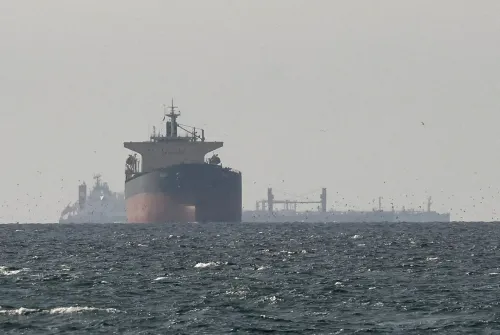
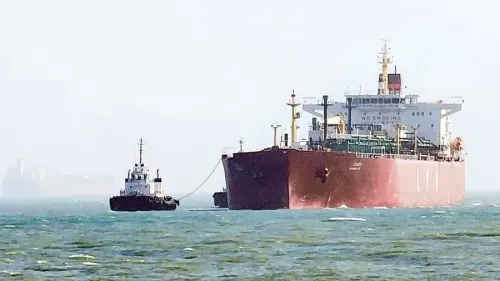
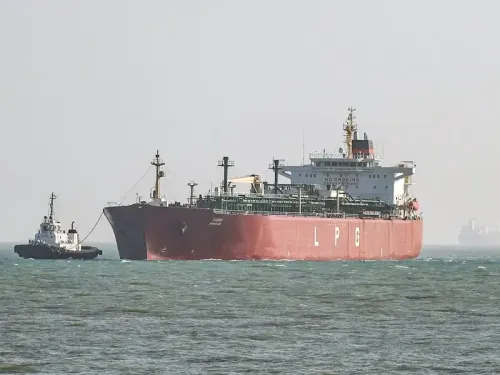
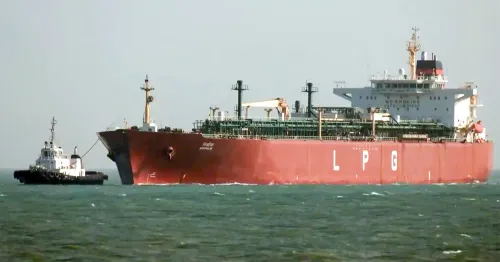
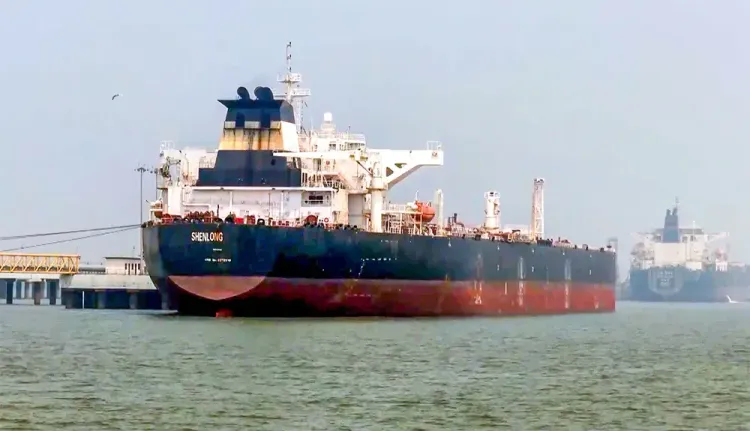
New Delhi, March 15 (NationPress) The vision of a ship laden with cooking gas returning home may not typically stir strong sentiments. However, in a world fraught with conflict and uncertainty, witnessing two Indian-flagged LPG carriers navigating the fraught waters of the Strait of Hormuz represented more than just ordinary maritime activity; it symbolized reassurance.
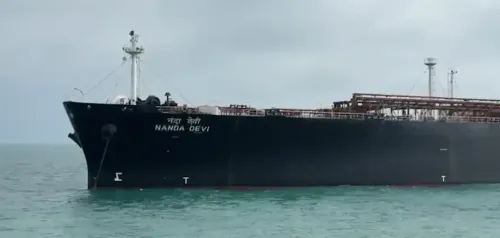
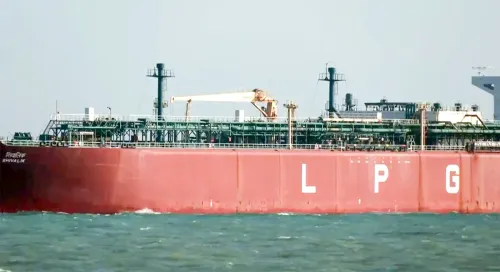
As the confrontation involving the US, Israel, and Iran threatens to disrupt one of the globe's most essential energy routes, the successful journey of the Indian vessels 'Shivalik' and 'Nanda Devi' has subtly showcased the effectiveness of India's diplomatic balancing act. Amidst a turbulent geopolitical landscape, New Delhi has achieved what many nations find challenging – safeguarding its strategic interests without being entangled in the ongoing conflict.
The two LPG tankers, operated by the Shipping Corporation of India (SCI), commenced their voyage back after what officials referred to as a "meticulously coordinated operation" involving cooperation from Iran and other regional partners. Such operations typically do not materialize overnight.
Behind the scenes were numerous diplomatic interactions, sensitive negotiations, and consistent surveillance of developments in a rapidly changing conflict zone.
The breakthrough reportedly followed multiple rounds of inter-governmental talks between India and Iran. Prime Minister Narendra Modi had a telephonic discussion with Iranian President Masoud Pezeshkian, while External Affairs Minister S. Jaishankar communicated with Iranian counterpart Seyed Abbas Araghchi regarding maritime safety and energy security.
For India, the importance of this event transcends the secure movement of two vessels. The Strait of Hormuz is one of the world's critical energy passageways, through which a significant proportion of global oil and gas shipments flow. Any disruption here carries immediate ramifications for nations reliant on energy imports, including India.
In this context, the safe transit of Shivalik and Nanda Devi sends a reassuring message to Indian families. It signifies that even amid international tensions, India's diplomatic and logistical frameworks are capable of protecting vital supplies.
This development unfolds against a backdrop of intense political debate domestically. The Opposition, particularly the Congress party, has challenged the government's foreign policy decisions during the ongoing West Asian crisis. Congress leader Rahul Gandhi has asserted that India has strayed from its historical non-aligned position, gravitating closer to the US and Israel.
According to Gandhi, such a shift could jeopardize India's long-standing relations with Iran and threaten strategic initiatives like the Chabahar port project.
Recently, speaking on the Parliament premises, the Lok Sabha Leader of Opposition claimed that India's energy security had been "compromised due to misguided foreign policy decisions," alleging that the government has effectively permitted Washington to influence its relationships with oil suppliers.
In a healthy democracy, government policy criticism is both valid and essential. However, the broader global reality must also be acknowledged. The tensions between the US, Israel, and Iran are not merely a regional conflict; they hold the potential to influence global energy markets, shipping routes, and economic stability.
Should the conflict escalate or extend into a prolonged confrontation – as observed in the Russia-Ukraine war – its effects will be felt worldwide. In such scenarios, governments are focused on ensuring domestic stability while maintaining diplomatic channels abroad.
India is no exception. The priority during such times is to ensure that citizens do not encounter unnecessary disruptions in essential supplies. Panic and speculation often create larger crises than the conflict itself.
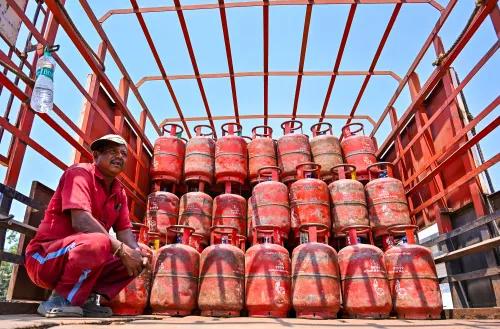
Currently, the situation indicates that fears of immediate energy disruption have not come to fruition. Petrol prices have remained stable, piped natural gas continues to be supplied in urban areas, and LPG cylinders are still reaching households.
Authorities have, however, urged against panic buying and hoarding. In a peculiar incident from Hapur district in Uttar Pradesh, officials confiscated 55 LPG cylinders from the home of a Samajwadi Party leader amid rumors of shortages. This was shocking, especially since SP leaders have been vocal about the potential gas crisis.
The Opposition has aggressively scrutinized the cooking gas situation, criticizing the government's reactions to developments involving Iran's Supreme Leader Ayatollah Ali Khamenei, and questioning whether India's claim of "strategic autonomy" is progressively leaning towards Washington. Rahul Gandhi has been vocally attacking the government, employing terms like 'compromise'.
However, the realities on the ground highlight a clear diplomatic truth. If India had indeed forsaken its independent foreign policy stance, it would be difficult to envision Iran permitting the safe passage of Indian-flagged vessels through the Strait of Hormuz during heightened tensions. Additionally, India recently allowed an Iranian naval vessel to dock in Kochi for logistical support – an act that reflects ongoing engagement rather than diplomatic estrangement.
These occurrences emphasize the nature of India's evolving foreign policy strategy. Rather than adhering to rigid alliances, New Delhi increasingly embraces what policymakers term "multi-alignment" – fostering functional relationships with competing global powers while prioritizing national interests.
In a world where geopolitical rivalries are intensifying, this balancing act is no small feat. However, it grants India the agility to navigate crises without becoming ensnared in them.
Ultimately, diplomacy often proves most effective when conducted quietly, away from the spotlight of political discourse. The journey of Shivalik and Nanda Devi through one of the globe's most sensitive maritime corridors serves as a poignant reminder of that truth.
The true narrative of those vessels extends far beyond mere cargo traversing the sea. It represents a nation ensuring that, even amid global upheaval, its crucial lifelines continue to flow – steady, silent, and secure. For once, Rahul Gandhi could recognize this reality, as it pertains to India and the strength of its diplomacy, not the fortunes of the BJP. However, one might suspect that this acknowledgment is unlikely to occur.
(Deepika Bhan can be reached at deepika.b@ians.in)
Point of View
This article highlights India's adept handling of complex geopolitical challenges, demonstrating a commitment to safeguarding national interests without losing diplomatic footing. The narrative underscores the importance of strategic diplomacy in maintaining energy security amidst rising international tensions.
NationPress
7 Oct 2026
Frequently Asked Questions
What is the significance of Shivalik and Nanda Devi's journey?
Their passage through the Strait of Hormuz signifies India's diplomatic success in ensuring energy security amidst geopolitical tensions.
How does this affect India's energy imports?
The safe transit of these vessels reassures that India's energy supplies remain secure, despite regional instability.
What are the criticisms from the Opposition regarding foreign policy?
The Opposition, particularly Rahul Gandhi, claims that India's foreign policy is shifting too close to the US and Israel, potentially harming ties with Iran.
How does India maintain its diplomatic relations?
India employs a multi-alignment strategy, balancing relationships with various global powers while prioritizing national interests.
What has been the public's reaction to the cooking gas situation?
While the Opposition criticizes the government's handling of the situation, fears of energy disruptions have not materialized as supplies remain stable.