India's FTA access may reach $85 trillion, 76% of global GDP
Synopsis
India's preferential market access has grown roughly sevenfold, from $10 trillion to $70 trillion of GDP, and could cover 76% of the world economy within 18 months. Exports are up 16.66% this fiscal and handicrafts jumped 55% in October, so the Centre is now pushing MSMEs to use these trade deals.
Key Takeaways
India's preferential market access has grown from about $10 trillion to $70 trillion in GDP and may reach $85 trillion , nearly 76% of global GDP.
Exports of goods and services reached USD 568.84 billion in April–October 2026 , up 16.66% .
In October , handicrafts exports rose 55.22% and gems and jewellery 40.06% .
India targets $1 trillion in exports for 2026–27 ; Rajasthan aims for ₹1.5 lakh crore by 2029 .
EFTA states aim to invest $100 billion in India and help create one million jobs over 15 years .
Uttarakhand's exports rose from ₹10,836 crore in 2017–18 to ₹13,802 crore in 2025–26.
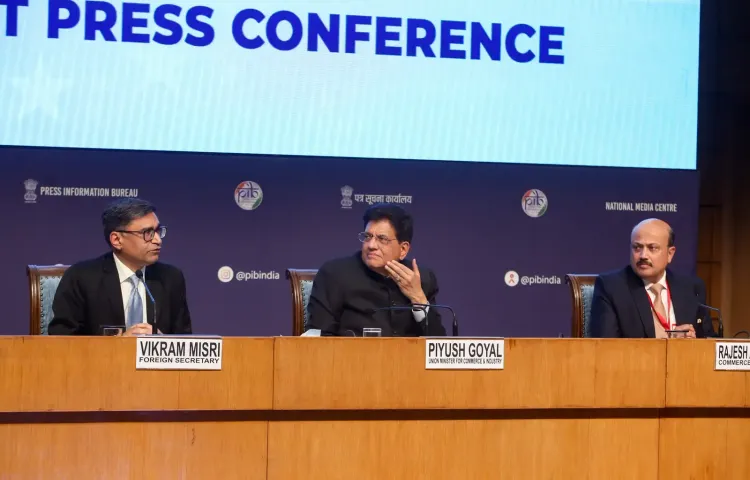
India's preferential access to global markets through Free Trade Agreements (FTAs) has grown from about $10 trillion in GDP a few years ago to $70 trillion. It is expected to expand to $85 trillion, nearly 76 per cent of global GDP, over the next year to year-and-a-half, the Commerce Ministry said in an official statement in New Delhi on Saturday, 28 November 2026. The ministry attributed the expansion to ongoing bilateral and multilateral trade talks across eight to nine geographies.
The statement came as the ministry held outreach programmes in Jaipur and Dehradun. The sessions aimed to familiarise exporters, entrepreneurs and Micro, Small and Medium Enterprises (MSMEs) with the opportunities these agreements open up.
Commerce Secretary's Pitch to Exporters
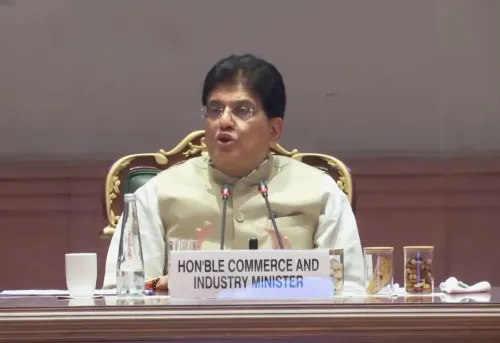
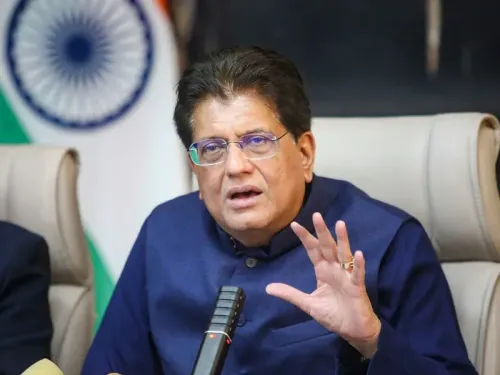
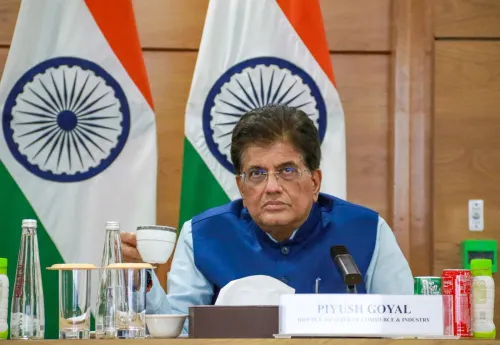
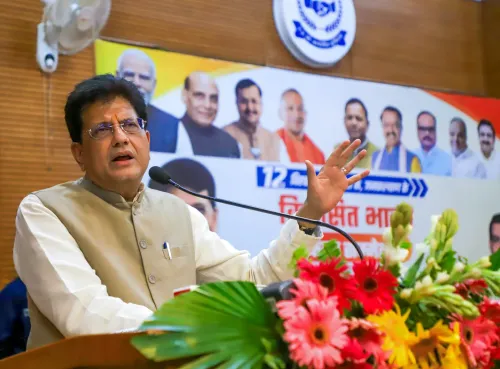
Speaking to exporters in Jaipur, Commerce Secretary Rajesh Agrawal highlighted the opportunities created by India's FTAs. He said Indian exporters, particularly MSMEs, need to actively use the preferential market access now available to them.
Agrawal urged businesses to identify sector-specific opportunities in partner countries, take part in international exhibitions, build overseas supply chains and explore newer channels such as cross-border e-commerce. He pointed to Rajasthan's strengths in gems and jewellery, textiles, handicrafts, furniture and minerals, and asked businesses to turn these into higher exports.
He also outlined support available under the Export Promotion Mission (EPM). This includes help with export credit, international exhibitions, testing and certification, and overseas warehousing and logistics. During an open-house discussion, Agrawal took questions from exporters and industry representatives on market access. He encouraged them to use the Trade Connect portal and to work with DGFT offices and Indian Missions abroad.
Export Numbers Behind the Push
According to official data, India's exports of goods and services reached USD 568.84 billion during April–October 2026, up 16.66 per cent. Labour-intensive sectors posted strong growth in October:
- Handicrafts: up 55.22 per cent
- Gems and jewellery: up 40.06 per cent
- Carpets: up 20.64 per cent
- Readymade garments: up 20.33 per cent
India has set an export target of $1 trillion for 2026–27. Rajasthan's exports stood at $11.18 billion in 2025–26, led by engineering goods, gems and jewellery, and textiles and handicrafts. The state aims to reach ₹1.5 lakh crore in exports by 2029.
What the Trade Deals Offer
The ministry pointed to specific gains from recent agreements:
- New Zealand: The pact provides 100 per cent duty-free access, which the ministry said opens new opportunities for MSMEs, artisans, farmers and women entrepreneurs.
- United Kingdom: Workers are expected to gain new jobs in labour-intensive sectors.
- EFTA: The member states aim to raise their investment in India by $100 billion over 15 years and help generate one million jobs in the same period.
Uttarakhand's Export Story
In Dehradun, the workshop sought to link Uttarakhand's MSMEs and exporters with global markets. State Minister for MSMEs Bharat Singh Chaudhary said the state's exports rose from ₹10,836 crore in 2017–18 to ₹13,802 crore in 2025–26. Key contributors include pharmaceuticals, engineering goods, food processing, organic and herbal products, and handicrafts.
Chaudhary added that the Invest Uttarakhand single-window portal had approved 6,932 projects involving capital investment of ₹70,397 crore over the past three years.
With several more trade negotiations in progress, the next 12 to 18 months will show whether wider market access leads to sustained export growth toward the $1 trillion target.
Point of View
Not exports, and the gap between the two has long been India's FTA problem. Past agreements with ASEAN, Japan and South Korea saw low utilisation by Indian exporters, while partners gained more. That is why the Centre is holding outreach sessions in Jaipur and Dehradun: the deals are signed, but MSMEs still lack the scale, certification and logistics to use them. Unless EPM support reaches small exporters quickly and in practical form, the headline access numbers may grow faster than actual exports.
NationPress
28 Nov 2026
Frequently Asked Questions
How much global market access does India have through FTAs?
India's preferential market access now covers about $70 trillion in GDP, up from around $10 trillion a few years ago. The Commerce Ministry expects this to reach $85 trillion, nearly 76% of global GDP, within a year to a year-and-a-half.
What were India's exports in April–October 2026?
India's exports of goods and services reached USD 568.84 billion during April–October 2026, growth of 16.66%. In October, handicrafts exports rose 55.22% and gems and jewellery 40.06%.
What is India's export target for 2026–27?
India has set an export target of $1 trillion for 2026–27. The Commerce Ministry is urging MSMEs to use FTA benefits to help meet it.
What benefits does the EFTA agreement offer India?
Under the EFTA agreement, member states aim to raise their investment in India by $100 billion over 15 years. The deal also aims to help generate one million jobs in the same period.
What support is available to exporters under the Export Promotion Mission?
The Export Promotion Mission supports export credit, international exhibitions, testing and certification, and overseas warehousing and logistics. Exporters are also encouraged to use the Trade Connect portal, DGFT offices and Indian Missions abroad.