India's social protection coverage leaps to 68.4% in 2026, up from 19% in 2015
Synopsis
India's social protection net now covers 68.4% of the population — up from just 19% a decade ago — crossing the one-billion-person mark. A higher EPFO wage ceiling, a near-doubling of contributing members, and a revamped social assistance scheme signal the most ambitious formalisation push in a generation.
Key Takeaways
India's social protection coverage rose from 19% in 2015 to 68.4% in 2026 , covering over one billion people .
EPFO contributing members grew from 3.49 crore in 2014–15 to 7.98 crore as of September 2026 .
EPFO pensioners increased from 51.04 lakh to approximately 82 lakh ; claims settled jumped from 1.30 crore to 6.42 crore annually.
The EPFO wage ceiling was raised to ₹25,000 per month in September 2026 , expected to cover over 51 lakh additional employees .
The Pradhan Mantri Samajik Sahayata Yojana , replacing NSAP, launched in October 2026 and will run through 2030–31 .
EPFO's auto-settlement limit raised to ₹5 lakh to speed up claims processing without manual intervention.
India's social protection coverage has surged from 19% in 2015 to 68.4% in 2026, bringing more than one billion people within the social security framework, according to an official factsheet released on Saturday, 31 October 2026. The data marks one of the fastest expansions of formal social protection in any major economy over the past decade.
EPFO Membership and Institutional Growth
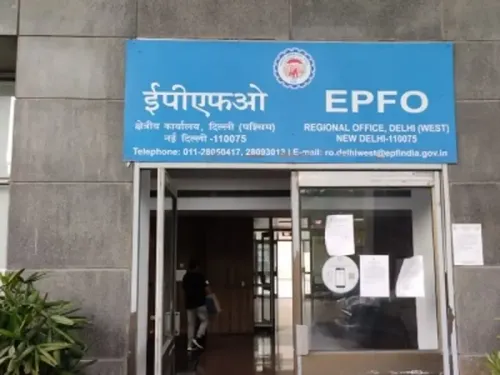
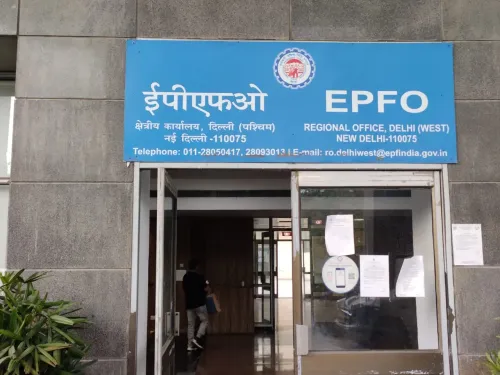
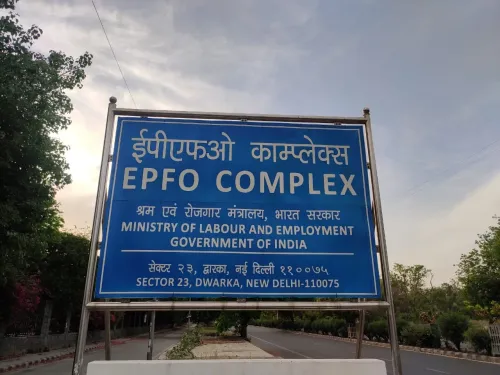
The Employees' Provident Fund Organisation (EPFO) has seen its contributing membership nearly double over this period. Contributing members rose from 3.49 crore in 2014–15 to approximately 7.98 crore as of 16 September 2026 — an addition of roughly 4.49 crore members. As of September 2026, 7.68 lakh establishments are actively contributing to EPFO, providing a broad institutional base for extending coverage to eligible workers.
Pension Benefits and Claims Settlement Scale Up
Pension support has expanded in parallel. EPFO paid pensions to 51.04 lakh pensioners during 2014–15; that figure has climbed to around 82 lakh pensioners as of September 2026, an increase of over 31 lakh beneficiaries. Claims settlement has grown even more sharply: approximately 1.30 crore claims were settled in 2014–15, compared to 6.42 crore claims in the last one-year period as of October 2026. The factsheet attributed this to the increasing scale of services delivered to EPFO members and beneficiaries.
Wage Ceiling Raised to ₹25,000, Covering 51 Lakh More Workers
The wage ceiling for mandatory EPFO coverage — last revised in September 2014 from ₹6,500 to ₹15,000 per month — was increased again in September 2026 to ₹25,000 per month. The government said this revision is expected to extend mandatory coverage to over 51 lakh additional employees, reflecting changes in wage levels and the growth of formal employment over the intervening period.
Simplified Withdrawals and Faster Auto-Settlement
EPFO has also streamlined partial withdrawal rules, consolidating 13 earlier provisions into three categories: Essential Needs, Housing Needs, and Special Circumstances. Essential Needs cover expenses related to illness, education, and marriage. Members are now permitted up to 10 withdrawals for education and 5 for marriage. Additionally, the auto-settlement limit for eligible advance claims has been raised to ₹5 lakh, enabling faster processing without manual intervention.
New Social Assistance Scheme for Elderly and Vulnerable Groups
The Pradhan Mantri Samajik Sahayata Yojana has been launched in October 2026, replacing the earlier National Social Assistance Programme (NSAP). The revised scheme covers eligible elderly persons, widows, persons with disabilities, and bereaved families, and will run from 2026–27 to 2030–31. This comes amid a broader push by the Centre to formalise and consolidate welfare delivery under unified programme structures. Notably, the reform trajectory — from membership expansion to wage ceiling revision — suggests a sustained policy intent to draw informal workers into the formal social security net. How quickly implementation catches up with headline numbers remains the central question.
Point of View
But the factsheet conflates membership registration with meaningful benefit delivery — two very different things. EPFO's near-doubling of contributing members is partly a function of formalisation drives and GST-era compliance, not purely new jobs. The wage ceiling revision to ₹25,000 is overdue by any measure — it was last touched in 2014 — and the delay itself represents a decade of bracket creep that left millions uncovered. The real stress test for these numbers will be whether the new Pradhan Mantri Samajik Sahayata Yojana improves on NSAP's notoriously leaky delivery record, or simply rebrands it.
NationPress
31 Oct 2026
Frequently Asked Questions
How much has India's social protection coverage grown between 2015 and 2026?
India's social protection coverage has risen from 19% in 2015 to 68.4% in 2026, bringing over one billion people within the social security framework, according to an official government factsheet released on 31 October 2026.
What is the new EPFO wage ceiling and who does it affect?
In September 2026, the wage ceiling for mandatory EPFO coverage was raised from ₹15,000 to ₹25,000 per month. The revision is expected to extend mandatory social security coverage to over 51 lakh additional employees.
What is the Pradhan Mantri Samajik Sahayata Yojana?
The Pradhan Mantri Samajik Sahayata Yojana is a new social assistance scheme launched in October 2026, replacing the earlier National Social Assistance Programme (NSAP). It covers eligible elderly persons, widows, persons with disabilities, and bereaved families, and will run from 2026–27 to 2030–31.
How have EPFO pension rolls and claims changed over the decade?
EPFO's pensioner count rose from 51.04 lakh in 2014–15 to approximately 82 lakh as of September 2026. Claims settled grew from 1.30 crore annually to 6.42 crore in the most recent one-year period, reflecting a sharp expansion in services delivered.
How has EPFO simplified provident fund withdrawals for members?
EPFO consolidated 13 partial withdrawal provisions into three categories — Essential Needs, Housing Needs, and Special Circumstances. Members can now make up to 10 withdrawals for education and 5 for marriage, and the auto-settlement limit for eligible advance claims has been raised to ₹5 lakh.