Rajasthan CMO: 26 Crore Soil Health Cards Issued Nationwide
Synopsis
The Chief Minister's Office of Rajasthan has highlighted that over 26 crore Soil Health Cards have been issued across India, crediting PM Narendra Modi's initiative to blend technology with traditional farming practices, aligning it with PM-KISAN welfare goals.
Key Takeaways
The Chief Minister's Office of Rajasthan announced that more than 26 crore Soil Health Cards have been issued nationwide.
The Soil Health Card scheme was launched in February 2015 by the Ministry of Agriculture and Farmers Welfare.
Cards provide farmers with soil test results and crop-specific fertilizer recommendations, aiming to reduce input costs and improve yields.
The initiative is framed alongside PM-KISAN (Pradhan Mantri Kisan Samman Nidhi) , launched in 2019 , as part of a broader farmer-welfare architecture.
Rajasthan's state messaging ties the national scheme to the local hashtag #AapnoAgrani_Rajasthan , amplifying Central welfare programmes at the state level.
The next phase envisaged is integration of soil health data with digital agriculture platforms for real-time, mobile-accessible guidance.
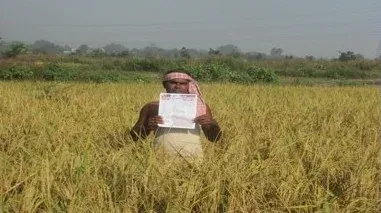
More than 26 crore Soil Health Cards have been distributed across India, weaving modern agricultural science into the country's age-old farming traditions — a milestone the Chief Minister's Office of Rajasthan flagged on Saturday, 31 October 2026, crediting Prime Minister Narendra Modi with anchoring the initiative.
The post, shared in Hindi, reads: 'Kheti ki parampara mein takneek ka samavesh karte hue, deshbhar ke 26 crore se adhik Soil Health Card jaari kiye gaye' — 'Integrating technology into the tradition of farming, more than 26 crore Soil Health Cards have been issued across the country.'
What a Soil Health Card actually does for a farmer
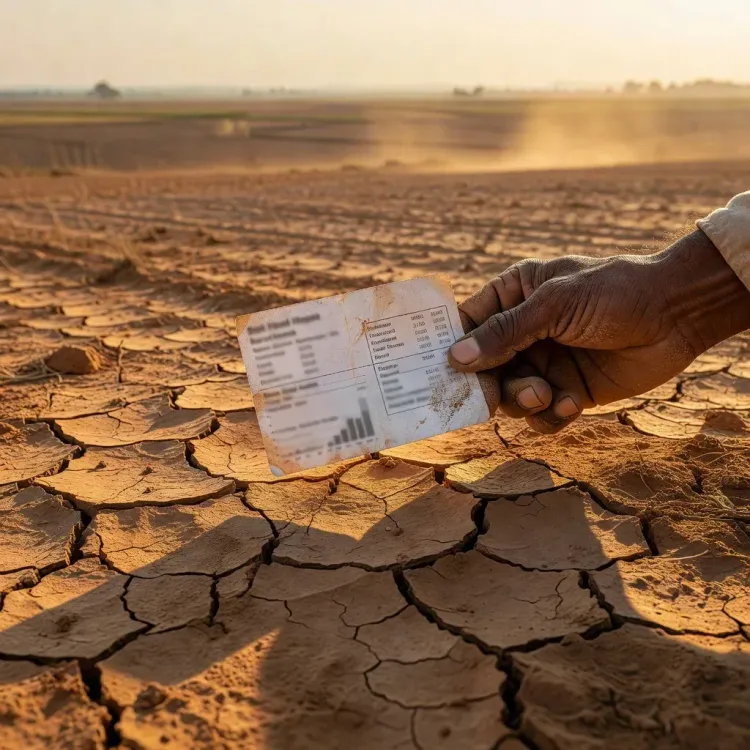
Launched in February 2015 by the Ministry of Agriculture and Farmers Welfare, the Soil Health Card scheme hands every farm household a printed report card on their land. The card details nutrient levels, pH balance, and crop-specific fertilizer recommendations drawn from scientific soil tests. The idea is straightforward but consequential: instead of guessing how much urea or potash to apply, a farmer reads the data and acts on it — cutting input costs and improving yields at the same time. The scheme was designed to run in two-year cycles, progressively covering all farm holdings nationwide. Tagging it alongside #PMKisan and #KisanSammanNidhi, the Rajasthan CMO's post frames the card scheme as part of a broader farmer-welfare architecture that also includes the Pradhan Mantri Kisan Samman Nidhi (PM-KISAN) direct income-support programme, launched in 2019.Why Rajasthan is amplifying a national scheme
Rajasthan is one of India's most agriculturally significant states, with large expanses of arid and semi-arid land where soil degradation is a persistent challenge. State-level amplification of the Soil Health Card milestone under the hashtag #AapnoAgrani_Rajasthan ('Our Leading Rajasthan') signals how the ruling establishment in Jaipur is aligning its own development narrative with Central government welfare programmes — presenting technology-driven farming as a shared achievement rather than a purely Delhi-driven directive. For Rajasthan's farmers, soil health data is particularly relevant: the state's diverse soil types — from sandy desert soils in the west to black cotton soil pockets in the south — demand very different fertilizer regimes. A card that prescribes crop-specific inputs is not a bureaucratic formality here; it is potentially the difference between a failed kharif crop and a profitable one. The next frontier, according to observers tracking the programme, is the integration of soil health data with digital agriculture platforms and ongoing missions aimed at precision farming — moving from a printed card to a live dashboard a farmer can consult from a mobile phone in the field.Point of View
The ruling establishment in Jaipur signals alignment with New Delhi while claiming shared credit for farmer welfare. In the longer arc of Indian agricultural policy, the Soil Health Card scheme represents a shift from subsidy-heavy input distribution toward data-driven precision farming — a direction the current Central government has consistently championed. Whether the 26-crore figure translates into measurable yield improvements and fertilizer-use efficiency on the ground remains the critical test that political messaging alone cannot answer.
NationPress
31 Oct 2026
Frequently Asked Questions
What is the Soil Health Card scheme in India?
The Soil Health Card scheme is a Central government programme launched in February 2015 that provides farmers with a card detailing their soil's nutrient status and crop-specific fertilizer recommendations, helping them make informed decisions about inputs.
How many Soil Health Cards have been issued in India?
According to a post by the Chief Minister's Office of Rajasthan on 31 October 2026 , more than 26 crore (260 million) Soil Health Cards have been issued across the country.
Who launched the Soil Health Card scheme?
The scheme was launched by Prime Minister Narendra Modi's government through the Ministry of Agriculture and Farmers Welfare in February 2015 .
What is the difference between Soil Health Card and PM-KISAN?
The Soil Health Card scheme gives farmers scientific soil-test data and fertilizer advice, while PM-KISAN (Pradhan Mantri Kisan Samman Nidhi) — launched in 2019 — provides direct cash income support to eligible landholding farm families. Both are Central government farmer welfare initiatives.
Why is Rajasthan highlighting the Soil Health Card scheme?
Rajasthan is a major agrarian state with diverse and challenging soil types. The Chief Minister's Office is amplifying the national milestone to align state-level messaging with Central welfare programmes and showcase the state's progress under the #AapnoAgrani_Rajasthan development narrative.