CM Bhagwant Mann Holds Lok Milni in Ludhiana, Touts Shiksha Kranti
Synopsis
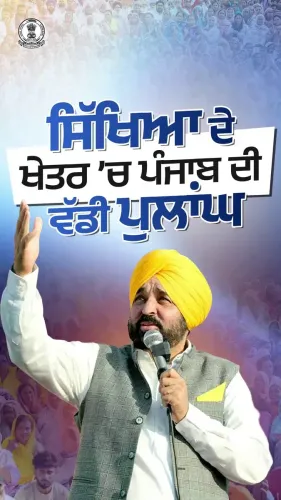
Punjab CM Bhagwant Mann attended a Lok Milni public outreach event in Kamalpur village, Ludhiana on 31 October 2026, spotlighting the AAP government's Shiksha Kranti initiative and claiming Punjab has emerged as a leading state in school education reform.
Key Takeaways
Punjab CM Bhagwant Singh Mann held a Lok Milni public outreach event in Kamalpur village, Ludhiana district on 31 October 2026 .
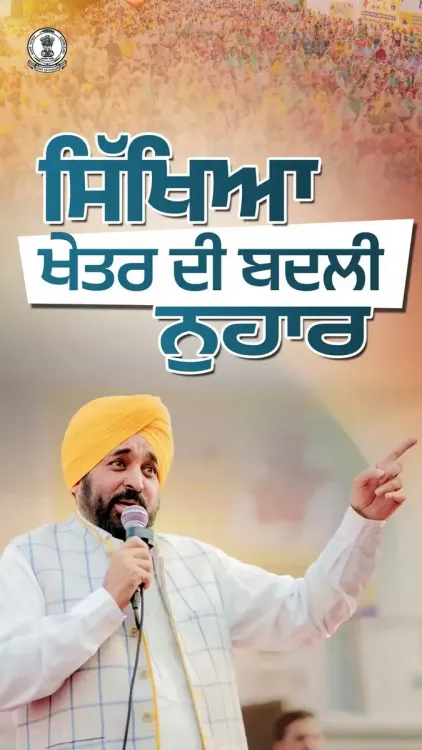
Mann highlighted the state government's Shiksha Kranti programme, describing major changes to the school education sector under its banner.
The AAP government made education a priority sector after coming to power in March 2022 , drawing from the party's earlier Delhi school-reform record.
The Lok Milni format places the Chief Minister in direct dialogue with rural residents — students, teachers, and families most dependent on government schools.
Ludhiana's rural hinterland, where government schools are the primary option, was the deliberate setting to signal the programme's reach beyond urban centres.
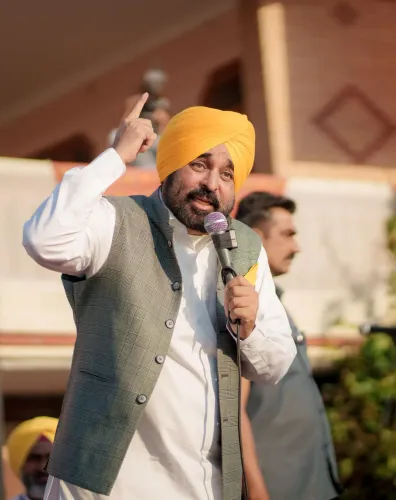
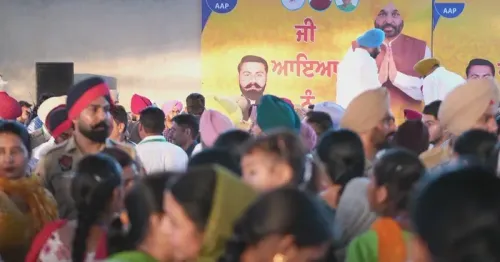
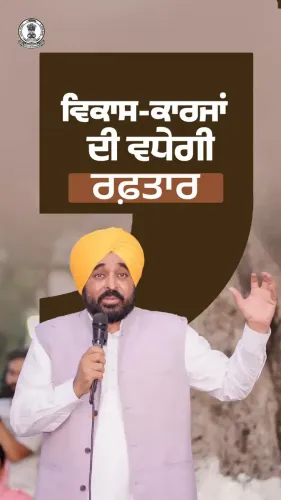
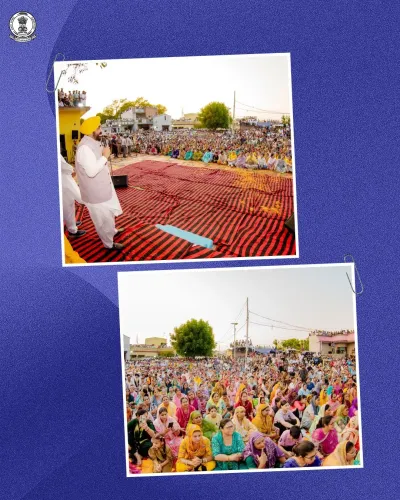
A village square in Kamalpur, Ludhiana turned into a public forum on Saturday, 31 October 2026, as Punjab Chief Minister Bhagwant Singh Mann stepped out of Chandigarh and sat face-to-face with rural residents at a Lok Milni (public meet-and-greet) event — his government's signature outreach format that deliberately skips the controlled setting of a press conference.
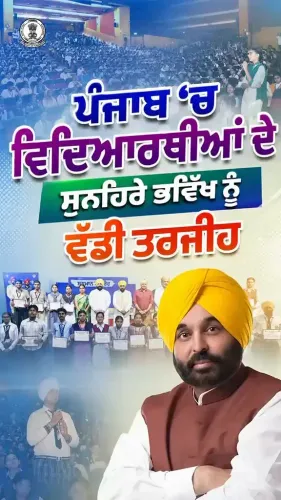
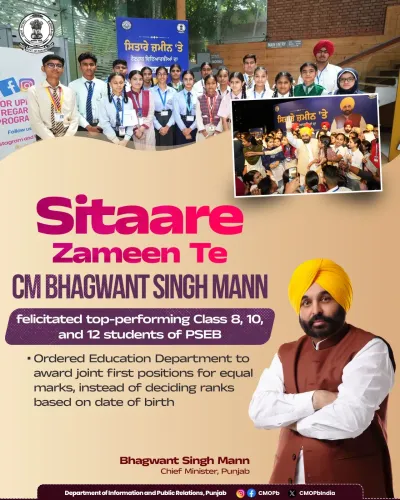
At the gathering, CM Mann highlighted the Punjab government's flagship 'Shiksha Kranti' programme, declaring that sweeping reforms under the initiative have positioned Punjab as a leading state in school education. The Chief Minister's Office shared the event on its official X account, quoting Mann as stating that the Shiksha Kranti (education revolution) has brought 'big changes' to the education sector across the state.
What Shiksha Kranti promises Punjab's classrooms
When the Aam Aadmi Party swept to power in Punjab in March 2022, education sat at the very top of its governance manifesto — a direct echo of the school-transformation story the party had built in Delhi. The Shiksha Kranti initiative was framed as the vehicle for that ambition: upgrading government school infrastructure, improving teacher accountability, and expanding access for students from rural and low-income families.
The political logic is straightforward. In a state where a large share of students depend on government schools, visible improvement in classrooms is both a governance delivery and a campaign proof point. Every Lok Milni event in a village like Kamalpur is, in part, a live demonstration that the party is governing, not just legislating.
Why Kamalpur, and why now
Ludhiana — Punjab's largest city by population and an industrial hub — also has a significant rural hinterland of villages where government schools are the only option for most families. Holding the Lok Milni in Kamalpur village rather than inside Ludhiana city sends a deliberate signal: the government's education push is reaching beyond urban centres.
The Lok Milni format itself is a studied choice. It places the Chief Minister in direct conversation with students, teachers, and rural families — the three groups with the most immediate stake in whether Shiksha Kranti delivers on its promise. Grievances are raised in person; commitments are made in public.
Whether the reform's outcomes match the ambition will ultimately be tested by official data — enrollment numbers, learning assessment scores, infrastructure completion rates — that the government has yet to publish for this phase of the programme. That data, when it arrives, will be the real report card on Punjab's education revolution.
Point of View
Then take the proof directly to the voter. By anchoring Shiksha Kranti messaging in a rural Ludhiana village rather than a press hall, the party is signalling that its education pitch has moved from urban showcase to state-wide delivery. The broader arc here is the AAP's attempt to replicate — and outrun — its Delhi school narrative in a much larger, more complex state. The credibility of that claim now rests on whether verifiable outcome data backs the optics of village-level outreach.
NationPress
31 Oct 2026
Frequently Asked Questions
What is Punjab's Shiksha Kranti initiative?
Shiksha Kranti is the Punjab government's flagship education reform programme, launched after the AAP came to power in March 2022, aimed at upgrading government schools, improving teacher accountability, and expanding access for rural and low-income students.
What is a Lok Milni event in Punjab?
Lok Milni is a public outreach format used by the Punjab government where Chief Minister Bhagwant Mann meets residents directly — often in villages — to hear grievances and communicate government initiatives in person.
Where did CM Bhagwant Mann hold the Lok Milni on 31 October 2026?
The event was held in Kamalpur village in Ludhiana district, Punjab.
What did CM Mann say about Punjab's education sector at the Ludhiana event?
CM Mann stated that major reforms under Shiksha Kranti have been implemented and that Punjab has emerged as a leading state in the education sector as a result of these changes.
Why does the AAP government emphasise education reforms in Punjab?
Education has been a core governance commitment for AAP since it came to power in Punjab in 2022, partly to replicate its school-transformation record from Delhi and to demonstrate tangible governance delivery to rural voters.