India's TV ecosystem: 917 channels, 49 mn DTH users by March 2026
Synopsis
India's broadcasting footprint has grown sharply — from 603 private satellite channels in 2010–11 to 917 by March 2026, with DD Free Dish expanding from 59 to 482 channels. Add 49 million active DTH subscribers and Prasar Bharati's WAVES OTT platform crossing 1.6 crore users, and the picture is of a public broadcaster racing to stay relevant in a fast-fragmenting media landscape.
Key Takeaways
Doordarshan now runs 35 channels , up from 17 in 2010 , according to an official factsheet.
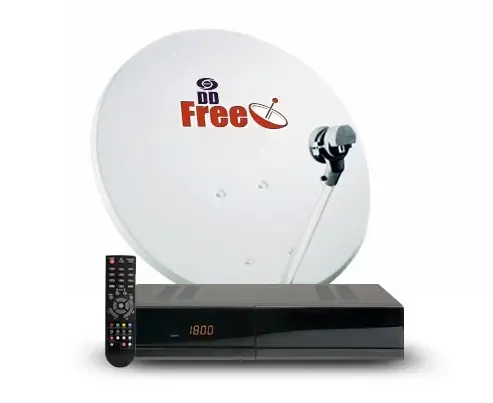
DD Free Dish carries 482 channels — including educational ones — up from 59 previously.
Private satellite channels grew from 603 in 2010–11 to 917 as of March 2026 , of which 908 were available for downlinking.
Private pay DTH services had 49.05 million active subscribers as on 31 March 2026 .
Prasar Bharati's WAVES OTT platform, launched in November 2024 , had approximately 1.6 crore registered users by November 2026 .
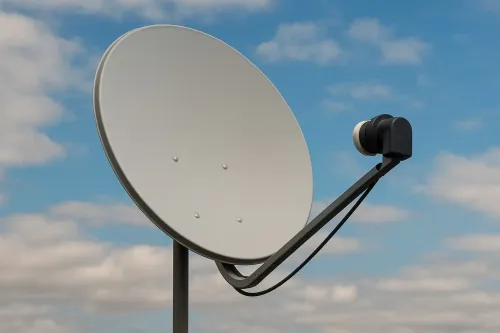
Doordarshan's DTH service provides 100% geographical and population coverage across India.
India's television broadcasting landscape has transformed from a single experimental service into a vast, multi-platform network spanning terrestrial, satellite, cable, direct-to-home (DTH), and digital delivery systems, according to an official factsheet released on World Television Day, 21 November. The data underscores the scale and pace of expansion that has reshaped how hundreds of millions of Indians access news, entertainment, and education.
Key Growth Figures
Doordarshan, India's public broadcaster, now operates 35 channels, more than double the 17 channels it ran in 2010. Its free-to-air platform, DD Free Dish, has expanded dramatically — carrying 482 channels today, including dedicated educational channels, up from just 59 channels at its earlier baseline.
Private satellite television has also seen robust growth. The number of permitted private satellite channels rose from 603 in 2010–11 to 917 as of March 2026. Of these, 908 channels were available for downlinking within India, comprising 342 pay channels and 566 free-to-air (FTA) channels. Among the pay channels, 238 were standard-definition (SD) and 104 were high-definition (HD).
DTH Subscribers and Coverage
Private pay DTH services recorded 49.05 million active subscribers as on 31 March 2026. Doordarshan's own DTH service, meanwhile, provides 100 per cent geographical and population coverage across the country, according to the factsheet — a figure that reflects its continued mandate to reach underserved and remote communities where private operators have limited commercial incentive to expand.
Collectively, the ecosystem's multiple delivery layers — terrestrial, satellite, cable, DTH, and digital platforms — bring television to urban, rural, and remote households alike.
World Television Day and Broadcasting's Role
The data was released to mark World Television Day, observed annually on 21 November. The United Nations General Assembly proclaimed the date in 1996, recognising television's role in informing, educating, and connecting societies globally. The observance also highlights the responsibility of broadcasters in supporting informed public discourse and addressing contemporary challenges.
OTT Platforms and the Digital Shift
Beyond conventional television, over-the-top (OTT) platforms have enabled on-demand viewing across devices and locations, accelerating a structural shift in audience behaviour. In November 2024, Prasar Bharati launched WAVES, its own OTT digital streaming platform, aimed at bringing public service broadcasting content to digital audiences. By November 2026, WAVES had recorded approximately 1.6 crore registered users, signalling meaningful early traction for the public broadcaster's digital ambitions.
What Comes Next
According to the factsheet, the future of India's broadcasting sector will be increasingly shaped by technological convergence and expanding digital access. High-definition transmission, digital delivery, and internet-based platforms are transforming how audiences experience content, pushing broadcasters — both public and private — beyond conventional television networks toward more flexible, connected delivery systems. With infrastructure expanding and platform integration deepening, India's broadcasting ecosystem is positioned to serve increasingly diverse and digitally mobile audiences.
Point of View
But the more telling detail is structural: DD Free Dish has grown from 59 to 482 channels while private DTH sits at 49 million active subscribers — suggesting free-to-air distribution remains India's real mass-reach lever, not premium pay services. Prasar Bharati's WAVES crossing 1.6 crore users is notable for a public broadcaster, yet the platform enters a market already dominated by well-capitalised private OTT players. The real question is whether public broadcasting's digital push can translate reach into relevance — or whether it will remain a channel-count story without a corresponding audience-quality story.
NationPress
21 Nov 2026
Frequently Asked Questions
How many TV channels does India have as of March 2026?
As of March 2026, India had 917 permitted private satellite channels, of which 908 were available for downlinking — comprising 342 pay channels and 566 free-to-air channels. Doordarshan separately operates 35 channels, and DD Free Dish carries 482 channels in total.
How many active DTH subscribers does India have?
Private pay DTH services had 49.05 million active subscribers as on 31 March 2026, according to an official factsheet. Doordarshan's DTH service additionally provides 100% geographical and population coverage across the country.
What is Prasar Bharati's WAVES platform?
WAVES is Prasar Bharati's OTT digital streaming platform, launched in November 2024 to bring public service broadcasting content to digital audiences. By November 2026, it had recorded approximately 1.6 crore registered users.
Why is World Television Day observed on 21 November?
The United Nations General Assembly proclaimed 21 November as World Television Day in 1996, recognising television's role in informing, educating, and connecting societies. The observance also highlights the importance of responsible broadcasting in supporting informed public discourse.
How has DD Free Dish expanded over the years?
DD Free Dish has grown substantially, carrying 482 channels — including educational channels — compared to just 59 channels at an earlier baseline. This expansion has made it one of the largest free-to-air direct-to-home platforms in India, serving rural and remote households.