Indresh Kumar leads RSS Muslim wing's Raksha Bandhan unity drive in New Delhi
Synopsis
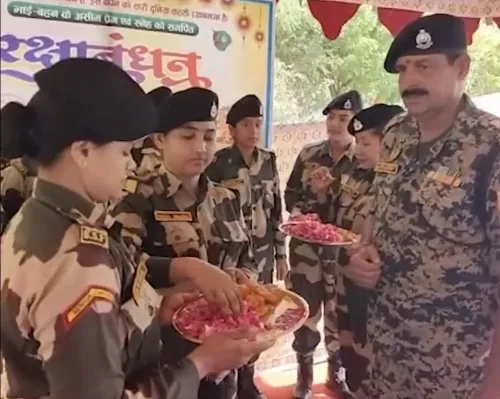
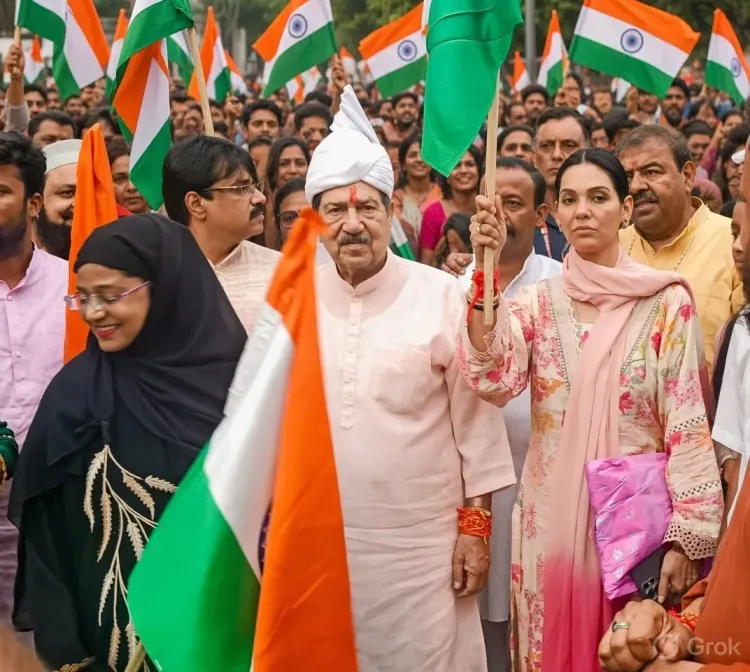
At a Ghalib Auditorium gathering on 27 August, Muslim sisters tied the Raksha Sutra on RSS National Executive member Indresh Kumar's wrist as participants from six faiths watched — then marched with the Tricolour. The Muslim Rashtriya Manch's Raksha Bandhan event was a calculated exercise in festival diplomacy, and its six-faith turnout makes it one of the more visually striking outreach moments for the RSS's Muslim wing.
Key Takeaways
The Muslim Rashtriya Manch (MRM) organised a cross-community Raksha Bandhan event at Ghalib Auditorium, New Delhi on 27 August .
RSS National Executive member Indresh Kumar had the Raksha Sutra tied on his wrist by Muslim sisters.
Attendees represented six faiths : Hindu, Muslim, Sikh, Christian, Buddhist and Jain communities.
A Tiranga Yatra followed, with women carrying the National Flag to emphasise shared national identity.
Shalini Ali highlighted women's empowerment through education, confidence and economic independence.
Kumar addressed Gen Alpha and Gen Z on responsible use of social media to foster dialogue over division.
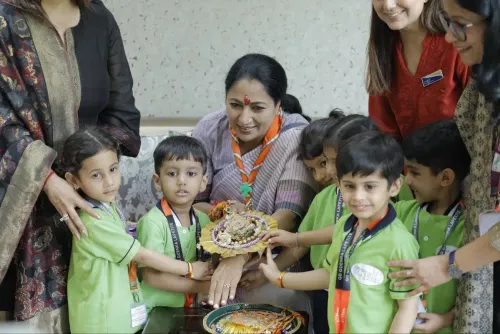
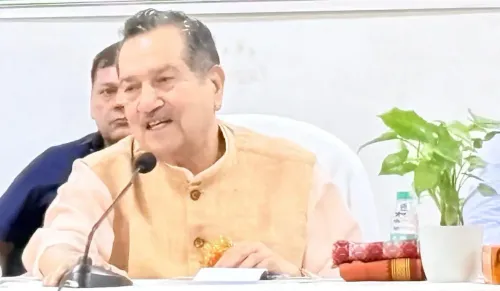
Indresh Kumar, National Executive member of the Rashtriya Swayamsevak Sangh (RSS), on 27 August became the centrepiece of a cross-community Raksha Bandhan celebration organised by the Muslim Rashtriya Manch (MRM) at the Ghalib Auditorium in New Delhi — an event that wove together festival tradition with a deliberate message of social harmony and national unity.
What Happened at the Event
Muslim sisters tied the Raksha Sutra (sacred thread) on Kumar's wrist in a ceremony that drew national and Delhi-level MRM coordinators, workers and supporters from Hindu, Muslim, Sikh, Christian, Buddhist and Jain communities. Those present included Mohammad Afzal, Girish Juyal, Shalini Ali, Hafiz Sabrin, Imran Chaudhary, Anil Garg, Faiz Khan, Faiz Ahmed Faiz and Shakir Ali. The gathering concluded with a Tiranga Yatra in which women participants carried the National Flag through the venue.
Kumar's Message: Unity Above Differences
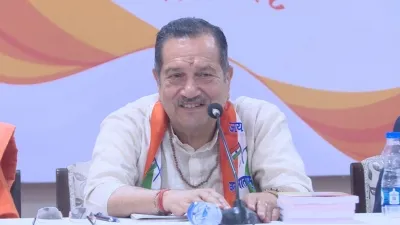
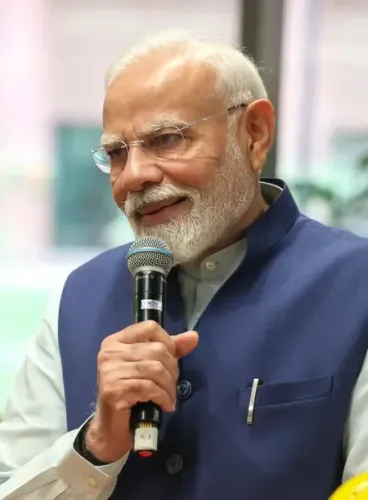
Addressing the gathering, Kumar urged attendees to rise above divisions of religion, language and culture and treat India's diversity as a collective strength. He described Raksha Bandhan as an occasion to build trust and deepen social harmony. Notably, Kumar directed part of his address at Gen Alpha and Gen Z, cautioning that social media can both connect and polarise, and urging young people to use technology to foster dialogue rather than distance.
Women's Empowerment in Focus
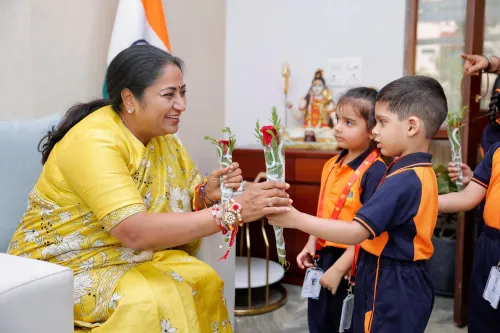
Shalini Ali used the platform to highlight women's empowerment, stressing that education, confidence and economic independence are essential for enabling women to contribute more actively to society and nation-building. The subsequent Tiranga Yatra reinforced that message — women carrying the Tricolour signalling that nation-building is a shared responsibility across all communities.
Symbolism and Broader Significance
The programme explicitly linked the symbolism of the Rakhi — trust, affection and brotherhood — with the Tricolour's message of unity and collective responsibility. The MRM, which functions as the RSS's Muslim outreach wing, has used festivals as community-bridge events in the past; this edition was notable for its six-faith attendance and the deliberate pairing of a religious festival with a civic march. The event concluded with a collective resolve to promote peace, social harmony, women's empowerment and national unity.
Point of View
But six-faith attendance at a single venue is not routine optics — it signals a deliberate widening of the RSS's community engagement strategy. Kumar's pivot to Gen Z and social media in his address is also telling: the RSS is increasingly aware that polarisation is being fought as much on smartphones as in streets. What the event does not resolve is the structural question of whether festival symbolism translates into sustained inter-community engagement beyond the calendar. The Tiranga Yatra framing — nation over religion — is politically significant, positioning the MRM as a civic rather than purely communal actor, a distinction that matters as India heads deeper into an election cycle.
NationPress
27 Aug 2026
Frequently Asked Questions
What is the Muslim Rashtriya Manch (MRM)?
The Muslim Rashtriya Manch is the RSS's Muslim outreach wing, founded to promote nationalist values and social harmony among Muslim communities in India. It organises inter-faith events, civic programmes and community outreach activities across the country.
What happened at the MRM Raksha Bandhan event on 27 August?
Muslim sisters tied the Raksha Sutra on the wrist of RSS National Executive member Indresh Kumar at the Ghalib Auditorium in New Delhi. The event was attended by participants from six faiths and concluded with a Tiranga Yatra in which women carried the National Flag.
What did Indresh Kumar say at the event?
Kumar urged attendees to rise above divisions of religion, language and culture, describing India's diversity as a collective strength. He also addressed younger generations, cautioning that social media can polarise and urging its use for dialogue and human connection instead.
Who else spoke at the event and what was the message?
Shalini Ali addressed the gathering on women's empowerment, stressing that education, confidence and economic independence are key to enabling women to contribute more actively to nation-building. The broader event message was that different identities can coexist within a shared national identity.
What is the significance of the Tiranga Yatra at a Raksha Bandhan event?
The Tiranga Yatra — a march with the National Flag — was intended to reinforce that nation-building is a shared responsibility across all communities. Organisers presented the Tricolour as a symbol of common identity that transcends religion, caste and region.