KPSC scam SIT: Karnataka govt objects to HC naming probe officers

Synopsis
Karnataka CM D.K. Shivakumar has drawn a constitutional line in the sand: the state accepts a court-ordered SIT into the KPSC recruitment scam, but not the court's power to handpick the investigating officers. The pushback — backed by calls from Delhi seeking clarification — signals a brewing separation-of-powers flashpoint that could set a nationwide precedent.
Key Takeaways
The Karnataka government on 22 September objected to the Karnataka High Court naming specific officers for the KPSC scam SIT .
Shivakumar said the state accepts the SIT's formation but considers officer selection an executive prerogative .
The CID and Enforcement Directorate (ED) had already conducted investigations into the alleged KPSC recruitment irregularities .
Shivakumar said he was receiving calls from Delhi seeking clarification, indicating national-level attention.
The government is also exploring whether the KPSC can be legally dissolved or structurally reformed.
The Karnataka government on Tuesday, 22 September formally objected to the Karnataka High Court's decision to name specific officers for the Special Investigation Team (SIT) appointed to probe the Karnataka Public Service Commission (KPSC) recruitment scam. While the state said it did not oppose the formation of the SIT itself, it characterised the court's choice of investigating officers as an overreach into executive authority.
What the Government Said
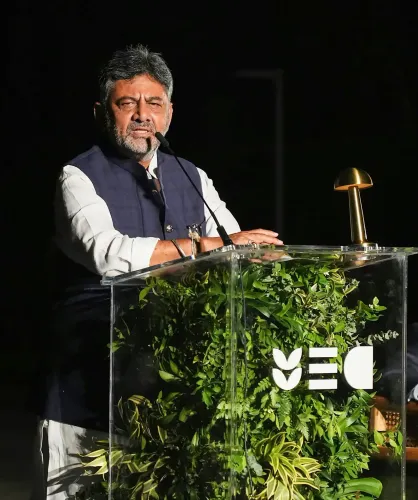
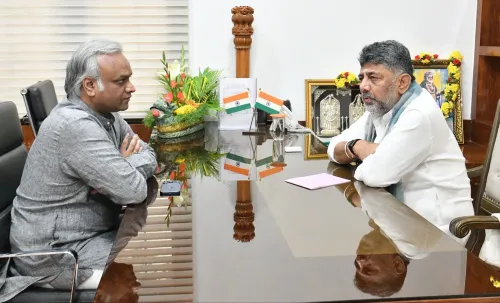
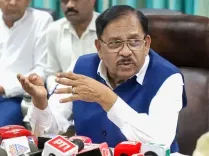
Karnataka Chief Minister D.K. Shivakumar, speaking to reporters in Bengaluru, drew a clear distinction between accepting judicial oversight and accepting judicial appointment of personnel. 'There is nothing wrong in setting up of the SIT. The police have already conducted their investigation well. The ED has also intervened. But the issue is that they are choosing the officers. I do not know how they can interfere with that. The choice of officers should have been left to the discretion of the government and the concerned authorities,' he said.
Shivakumar further argued that the Criminal Investigation Department (CID) had already conducted a substantive probe and that the Enforcement Directorate (ED) had also stepped in. In his view, the High Court could appropriately monitor a report submitted by the CID — but directing that the investigation be carried out by particular officers is a different matter entirely.
The Separation-of-Powers Concern
The Chief Minister acknowledged historical precedents of judiciary-monitored investigations but questioned the specific practice of naming officers. 'If the CID had not conducted a proper investigation, they could have done it. Let the High Court monitor the report submitted by the CID. But directing that the investigation should be done by certain officers has raised a wider discussion about the authority of the government,' Shivakumar said.
Notably, the Chief Minister revealed he had been fielding calls from Delhi and other locations seeking clarification on the court's direction. 'I am receiving calls from Delhi and other places asking how this can happen. We are verifying it legally,' he said, signalling that the issue has drawn national attention beyond Karnataka.
Government's Next Steps on KPSC
Shivakumar reiterated that the government was examining all legal options available to it in response to the court's direction. He also repeated his earlier position that the administration was exploring whether the KPSC itself could be dissolved or structurally reformed through a legally valid process. 'We are also very serious. I am talking to people about how KPSC can be shut down legally,' he said.
This comes amid sustained scrutiny of the KPSC over alleged irregularities in its recruitment process, a controversy that has dogged the Karnataka administration and drawn repeated court interventions. The government's latest pushback against the High Court's officer-selection move sets the stage for what could become a significant constitutional standoff between the executive and the judiciary in the state.
What Happens Next
The Karnataka government is expected to pursue legal avenues to challenge or clarify the High Court's direction regarding officer appointments. Industry observers and constitutional law experts are watching the case closely, as its outcome could set a precedent for the extent to which courts can direct the composition of investigative teams in similar matters across India.
Point of View
And resisting court-chosen investigators invites the question of why it matters who investigates. The mention of calls from Delhi also adds a political undertone that goes beyond procedural principle. If the government escalates this to a constitutional challenge, it risks a prolonged judicial battle that keeps the KPSC controversy in the headlines — precisely the outcome it wants to avoid.
NationPress
22 Sept 2026
Frequently Asked Questions
What is the KPSC scam that the SIT is probing?
The KPSC scam refers to alleged irregularities in the recruitment process conducted by the Karnataka Public Service Commission (KPSC) . The case has drawn investigations by the CID and the Enforcement Directorate, and the Karnataka High Court has now ordered an SIT probe.
Why is the Karnataka government objecting to the High Court's SIT order?
The Karnataka government does not oppose the formation of the SIT itself, but objects to the court's decision to name specific investigating officers. CM D.K. Shivakumar has argued that the selection of officers is an executive prerogative and that the court's move constitutes interference with government authority.
What legal steps is the Karnataka government considering?
The government has said it is examining the High Court's direction from a legal perspective and is exploring all available options. CM Shivakumar also indicated the government is looking into whether the KPSC can be dissolved or restructurally reformed through a legally valid process.
Has a court previously monitored a CBI or CID investigation in Karnataka?
CM Shivakumar acknowledged there are precedents of the judiciary monitoring investigations, but distinguished monitoring from directing which officers must conduct a probe. He argued that if the CID's investigation was found inadequate, the court could have directed a fresh probe — but naming specific officers is a separate and contested step.
Who else has taken note of the Karnataka HC's direction?
According to CM Shivakumar, he received calls from Delhi and other locations seeking clarification on the High Court's direction regarding officer appointments, suggesting the issue has drawn attention beyond Karnataka at a national level.