UPSC impleaded in RTI delay case by Rajasthan IPS officer Pankaj Chaudhary

Synopsis
A Rajasthan-cadre IPS officer has taken the unusual step of impleading the UPSC — one of India's most powerful constitutional bodies — in an RTI delay case before the Central Information Commission. With a hearing set for 17 November and a parallel RTI notice issued to a senior IAS officer in Rajasthan, both cases put a spotlight on systemic failures in RTI compliance within high-profile public authorities.
Key Takeaways
IPS officer Pankaj Chaudhary impleaded the UPSC in an RTI delay case before the Central Information Commission (CIC) on 21 October 2026 .
The CIC hearing is scheduled for 17 November in New Delhi .
The case concerns alleged non-provision of information within the 30-day statutory deadline under the RTI Act.
Separately, the Rajasthan Information Commission has reportedly issued a notice to IAS officer Archana Singh , Secretary of the Department of Personnel, in another RTI matter.
Both cases highlight ongoing concerns about RTI compliance by senior public authorities.
Rajasthan-cadre IPS officer Pankaj Chaudhary on Wednesday, 21 October 2026, impleaded the Union Public Service Commission (UPSC) as a party in a case before the Central Information Commission (CIC) concerning the alleged delay in providing information under the Right to Information (RTI) Act. The matter is scheduled for a hearing in New Delhi on 17 November, and is drawing attention to how public authorities handle statutory information disclosure timelines.
Background of the Case
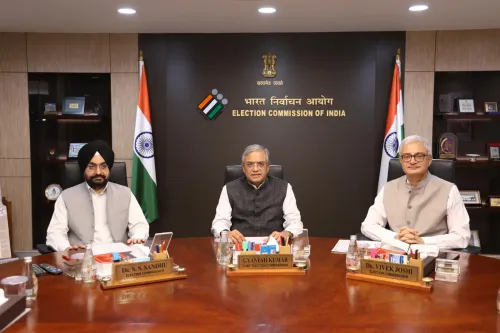
The case centres on the alleged non-provision of information within the timeframe prescribed under the RTI Act, which mandates that public authorities respond to information requests within 30 days of receipt. By impleading the UPSC, Chaudhary has formally brought the premier civil services examination body into the proceedings, widening the scope of the case. The Central Information Commission — the apex appellate body for RTI matters at the central level — will hear the case as part of its mandate to adjudicate complaints and appeals related to RTI implementation.
What the November 17 Hearing Could Determine
The 17 November hearing is expected to clarify the specific arguments put forward by both parties and the issues the CIC will examine. A ruling or directive from the CIC could have implications for how the UPSC — a constitutional body overseeing recruitment to central services — responds to RTI applicants going forward. Notably, any adverse finding against a constitutional body of the UPSC's stature would be significant, given its standing in the public administration framework.
A Parallel RTI Matter in Rajasthan
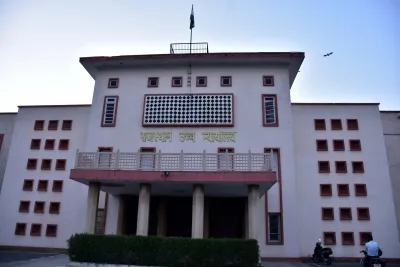
Separately, the Rajasthan Information Commission (RIC) has reportedly issued a notice to IAS officer Archana Singh, Secretary of the Department of Personnel, in connection with another RTI-related case. A hearing in that matter is also expected soon. Further details about the specific issues involved and the response of the officer concerned have not yet been made available, according to reports.
Why RTI Compliance Matters
The RTI Act, enacted in 2005, is widely regarded as a cornerstone of transparency and accountability in Indian public administration, enabling citizens to seek information from government bodies. Delays in information disclosure — a recurring complaint across states — undermine the statute's intent. This is not an isolated instance; Information Commissions across the country regularly handle hundreds of complaints each year against public authorities for non-compliance. The two cases together highlight persistent challenges in RTI implementation, including within bodies of significant national and state importance.
What Happens Next
Both cases are at early stages, with hearings yet to take place. The CIC's handling of the case involving the UPSC will be closely watched, while the Rajasthan Information Commission's notice to IAS officer Archana Singh is also expected to progress in the coming weeks. Further developments in both matters are anticipated after the respective Information Commissions formally take up the cases.
Point of View
But the pace of hearings and enforcement remains slow. The real accountability test will come not from the filing of these cases, but from what the Commissions actually order — and whether those orders are followed.
NationPress
21 Oct 2026
Frequently Asked Questions
Why did IPS officer Pankaj Chaudhary implead the UPSC in the RTI case?
Chaudhary impleaded the UPSC to bring it formally into proceedings before the Central Information Commission over an alleged failure to provide information within the statutory timeline set by the RTI Act. Making the UPSC a party means the commission will have to directly respond to the CIC's proceedings.
What is the Central Information Commission and what role does it play in RTI cases?
The Central Information Commission (CIC) is the apex appellate body for RTI matters involving central government public authorities. It hears complaints and appeals when citizens allege that public authorities have failed to provide information as required under the RTI Act.
When is the CIC hearing scheduled in the Pankaj Chaudhary vs UPSC case?
The hearing is scheduled for 17 November before the Central Information Commission in New Delhi. The proceedings are expected to clarify the specific arguments and issues to be examined.
What is the separate RTI case involving IAS officer Archana Singh in Rajasthan?
The Rajasthan Information Commission has reportedly issued a notice to IAS officer Archana Singh, Secretary of the Department of Personnel, in a separate RTI-related matter. Details of the specific issues and the officer's response have not yet been made available.
What does the RTI Act require of public authorities regarding information requests?
The RTI Act, enacted in 2005, requires public authorities to respond to information requests within 30 days of receipt. Non-compliance can be challenged before State Information Commissions or the Central Information Commission, which can direct disclosure and impose penalties.