IB Issues Warning on Charity Fraud Linked to Iran War Donations
Synopsis
The Intelligence Bureau has issued a warning about a charity scam exploiting the Iran war crisis to collect donations. Fraudulent groups are preying on emotions, particularly in Jammu and Kashmir, where significant sums have been raised. Authorities are concerned about potential misuse of the funds.
Key Takeaways
Fraudulent charity activities are exploiting the ongoing Iran war crisis.
Scammers are particularly active in Jammu and Kashmir .
Reports indicate donations amounting to Rs 16 crore have been collected.
Shia community members are being targeted due to their emotional vulnerability.
Authorities are investigating the potential misuse of collected funds.
New Delhi, March 26 (NationPress) Following an advisory from the Union Home Ministry about certain groups engaging in radicalization amid the ongoing war in Iran, the Intelligence Bureau has raised alarms regarding a fraudulent charity scheme.
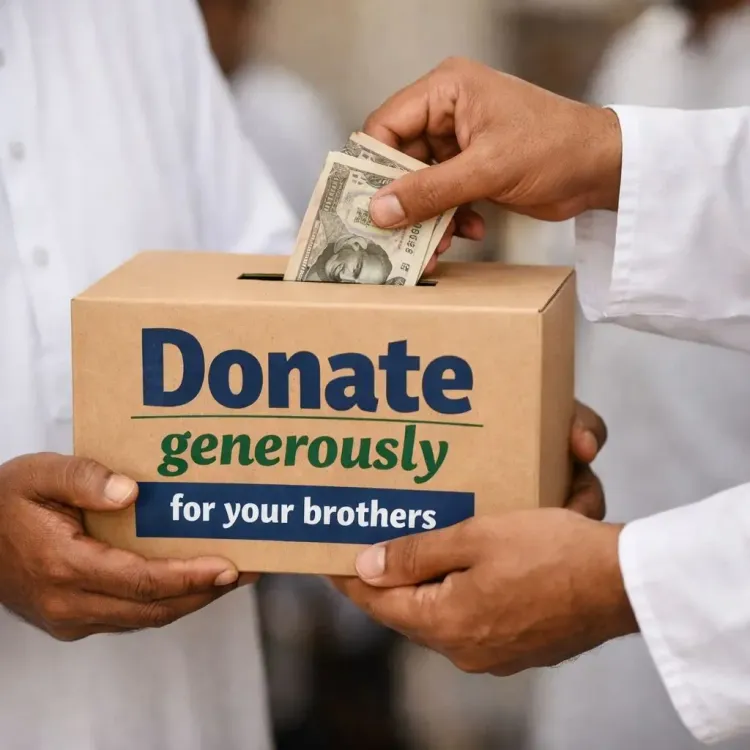
A multitude of organizations has emerged, soliciting funds under the guise of providing aid to those in Iran affected by the conflict. An official noted that these groups are deceiving the public by claiming to support the welfare of Iranian citizens impacted by the war.
Similar fraudulent activities were noted during last year's conflict between Israel and Palestine. Such charities frequently appear during times of crisis, and once they gather donations, they often disappear without a trace, another official remarked.
Individuals orchestrating these bogus charities exploit emotions, presenting manipulated images of the war to solicit donations. Many compassionate donors, moved by these appeals, have even contributed gold and other valuables, an Intelligence Bureau official stated.
The investigation has revealed that this scam is particularly rampant in Jammu and Kashmir. Some individuals have been going door-to-door, pleading for donations to aid those impacted by the Iran war. They craft elaborate stories and exaggerate the situation to exploit the emotional vulnerabilities of potential donors, officials have discovered.
In the Kashmir region, authorities have found that the same network previously raised funds for separatist groups that existed before the abrogation of Article 370.
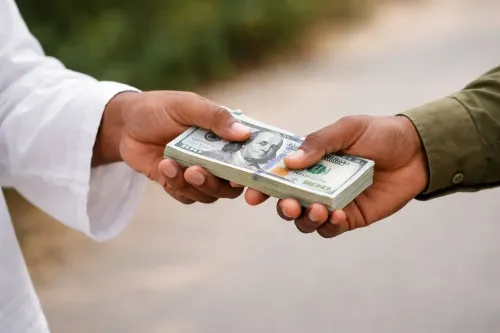
The amount of donations collected under the pretext of the war in Iran is staggering, totaling in the crores of rupees. In Jammu and Kashmir alone, the scam is estimated to be around Rs 16 crore. Reports indicate that some individuals have even relinquished their life savings, while others have given away gold and household items.
The primary target audience appears to be the Shia community. Officials have noted that Shia Muslims are particularly susceptible to emotional manipulation, especially concerning the ongoing war in Iran. Many are inclined to donate without seeking any accountability from these fraudsters, another official commented.
Agencies are actively monitoring similar fraudulent activities across various regions of the country. While such scams are occurring in multiple locations, the scale is notably higher in Jammu and Kashmir, according to agency findings.
The perpetrators of this scam have primarily conducted their operations offline, making emotional and religious appeals directly at homes. They display distressing images of the war, followed by requests for financial support.
When issuing fake receipts, these individuals assure donors that the funds will be sent to Iran for the benefit of the war-affected populace. They tend to avoid online platforms to evade detection of their activities.
Another concern for the authorities is the potential misuse of the funds collected so far. While some of the money might be directed towards personal gains, a significant portion could be utilized for anti-national activities, officials have learned.
In Jammu and Kashmir, there are indications of efforts to rejuvenate the separatist movement, and the funds could very well be used to support these initiatives, warn the agencies.
Point of View
It is essential to remain vigilant and discerning when approached for donations, especially during times of conflict. The misuse of emotional appeals for personal gains undermines genuine charitable efforts.
NationPress
30 Sept 2026
Frequently Asked Questions
What is the nature of the charity scam?
The scam involves fraudulent groups collecting donations under the pretext of providing aid to individuals affected by the Iran war, often using emotional manipulation.
How much money has been raised through this scam?
In Jammu and Kashmir alone, the estimated amount raised through this scam is around Rs 16 crore.
Who is primarily targeted by these scammers?
The primary target appears to be the Shia community, who are seen as more susceptible to emotional appeals regarding the Iran war.
What are the authorities doing about this issue?
Authorities are closely monitoring similar activities across the country and investigating the networks involved in these scams.
What should individuals do to protect themselves from such scams?
Individuals should verify the legitimacy of any charitable organization before donating and be cautious of emotional appeals.