ISI suspected of fuelling hoax threats targeting celebrities and politicians in India
Synopsis
Indian intelligence has flagged a likely new wave of ISI-driven hoax threats — this time aimed at Bollywood stars and politicians. Coming off the back of the Tiger Shroff shooting incident, the ISI is reportedly exploiting a climate of fear, recruiting locals for as little as ₹500 a task. Amitabh Bachchan and Diljit Dosanjh have already received threats declared to be hoaxes, but officials warn this is just the beginning.
Key Takeaways
Intelligence Bureau officials have flagged a fresh rise in ISI -suspected hoax threats targeting celebrities and politicians in India.
Recent bomb threats against actor Amitabh Bachchan and singer Diljit Dosanjh were both declared hoaxes but caused significant disruption.
The Tiger Shroff shooting incident is cited as a trigger that the ISI is allegedly exploiting to amplify panic in the film industry.
The ISI reportedly pays recruits as little as ₹500 to leave written threats outside homes or offices of targets.
Last year's hoax threat wave severely impacted airlines (multiple groundings) and schools (widespread psychological distress).
Security agencies are advising the public to report threats immediately rather than ignoring them.
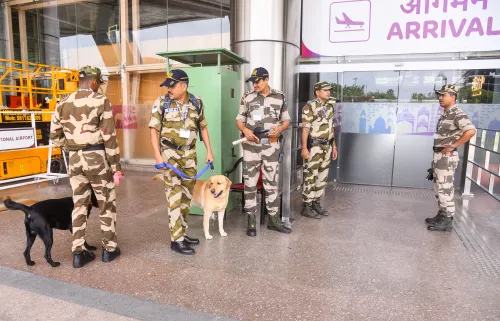
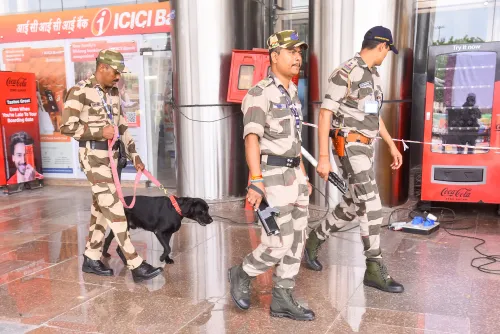
Indian intelligence agencies are closely tracking a renewed surge in hoax threats across the country, with officials warning that Pakistan's Inter-Services Intelligence (ISI) is suspected of orchestrating a fresh wave of psychological operations targeting Bollywood celebrities and politicians. The development comes after a sharp spike in similar threats last year, which hit the airline industry and schools before security agencies managed to bring the numbers down.
Why the Threat is Returning
According to an Intelligence Bureau (IB) official, there are clear indicators that such threats are set to rise once again — this time with a sharper focus on the film industry and the political class. The official cited the recent Tiger Shroff shooting incident as a trigger point, noting that it has generated significant anxiety among celebrities. 'Following the Tiger Shroff shooting incident, there is a great deal of panic among the celebrities. The ISI finds this an opportune time to capitalise on that sentiment and increase the number of these hoax threats with a particular focus on film personalities,' the official said.
Another official stressed that no such threat can be dismissed without full verification. Each one demands a thorough security response before it can be declared a hoax — a process that strains resources and causes widespread disruption.
Recent High-Profile Cases
Bomb threats directed at veteran actor Amitabh Bachchan and popular singer Diljit Dosanjh are among the most recent examples of what officials describe as a deliberate pattern. Both threats were subsequently declared hoaxes, but not before triggering significant panic and demanding an extensive security response. 'When a celebrity receives a threat, even if it is later declared a hoax, the incident continues to play on their mind for a long time. They remain wary of their movements, and this psychological distress is precisely what these elements seek to inflict,' the official said.
How the ISI's Psychological Operations Work
Officials say the ISI runs a dedicated wing for psychological operations inside India, and hoax threats form a core part of that playbook. The operations are described as relatively low-cost and easy to execute. Handlers reportedly recruit young individuals — including minors — by paying them as little as ₹500, tasking them with writing threats on paper and leaving them outside the offices or homes of targets.
The strategy is not limited to celebrities and politicians. Officials note that threats are also being planted in areas already marked by prior violence or communal tension, where a fresh threat amplifies existing fear among residents. 'The aim is to create panic in society,' an official said.
Last Year's Impact and What Changed
The wave of hoax threats in the preceding year caused serious economic and psychological damage. Airlines were forced to ground multiple flights for security checks before clearing them — a costly disruption. Schools receiving bomb threats triggered acute distress among students, parents, and teachers. Targeted action by security agencies had succeeded in driving down the numbers, but officials now warn that the respite may be short-lived.
What Security Agencies Are Advising
Authorities are urging the public not to panic upon receiving or encountering a threat, but to report it immediately to law enforcement rather than ignoring it. Officials say prompt reporting significantly accelerates the process of verifying and, where warranted, declaring a threat a hoax — reducing both the disruption and the psychological impact the perpetrators seek.
With intelligence agencies flagging a credible risk of escalation, the coming weeks will test whether the security architecture put in place after last year's spike can contain the new threat cycle before it intensifies.
Point of View
High-impact psychological operation — and India's security apparatus has been here before. What is concerning this time is the timing: the threat wave is being seeded into an environment already anxious after the Tiger Shroff shooting, making the psychological payload far greater than the operational cost. The fact that even declared hoaxes leave lasting fear on their targets means the ISI wins whether or not a single threat is real. India's counter-strategy — urge calm, verify fast, publicise hoaxes — is the correct one, but it requires consistent, rapid response that does not always materialise at scale.
NationPress
26 Oct 2026
Frequently Asked Questions
Why are hoax threats to celebrities and politicians rising again in India?
Intelligence officials say Pakistan's ISI is allegedly exploiting heightened anxiety in the celebrity community following the Tiger Shroff shooting incident to launch a fresh wave of hoax threats. The threats are described as part of a broader psychological operation aimed at creating panic and insecurity in Indian society.
Were the threats to Amitabh Bachchan and Diljit Dosanjh real?
Both the bomb threats to actor Amitabh Bachchan and singer Diljit Dosanjh were subsequently declared hoaxes by security agencies. However, officials note that even declared hoaxes cause significant psychological distress and require extensive security resources to investigate and clear.
How does the ISI allegedly carry out these hoax threat operations?
According to intelligence officials, the ISI operates a dedicated psychological operations wing and recruits young individuals — sometimes paying them as little as ₹500 — to write threats on paper and leave them outside the offices or homes of targeted celebrities and politicians. The operations are described as low-cost and easy to execute.
Who is most at risk from this new wave of hoax threats?
Officials say the primary targets in the current wave are Bollywood film personalities and politicians. However, the threats are not exclusively confined to these groups — areas already marked by prior violence or communal tension are also being targeted to amplify existing public fear.
What should people do if they encounter a hoax threat?
Security agencies are advising people not to panic and to report any such threat immediately to law enforcement rather than ignoring it. Prompt reporting helps agencies verify and, if warranted, declare a threat a hoax more quickly, reducing the disruption and psychological impact the perpetrators aim to create.