ISI targets Indian Railways ahead of Independence Day to trigger mass panic
Synopsis
Pakistan's ISI has reportedly shifted its primary espionage and terror focus from military targets to Indian Railways — deploying recruits for surveillance, installing covert CCTV cameras, and recruiting hoax-call operatives to trigger stampedes. With Independence Day security stretched thin, intelligence agencies are warning of a coordinated, multi-network threat to rail infrastructure across Delhi, Mumbai, Punjab and Haryana.
Key Takeaways
Indian Railways has become the primary target of ISI -backed elements, surpassing military installations in intelligence-gathering priority, according to security officials.
ISI surveillance of the railway sector has reportedly increased ten-fold over the past year, with a structured recruitment and camera-installation operation uncovered.
Recruits were allegedly paid as little as ₹3,000 for ground surveillance, and between ₹5,000 and ₹10,000 per covert CCTV camera installed at stations.
The Babbar Khalsa International (BKI) has allegedly been directed to target stations in Punjab and Haryana ; other outfits are focused on Delhi and Mumbai .
The Intelligence Bureau has issued a high alert warning that ISI-backed modules may exploit the Independence Day security window to strike railway infrastructure.
Officials warn that even hoax calls at crowded stations could trigger deadly stampedes without any physical attack being carried out.
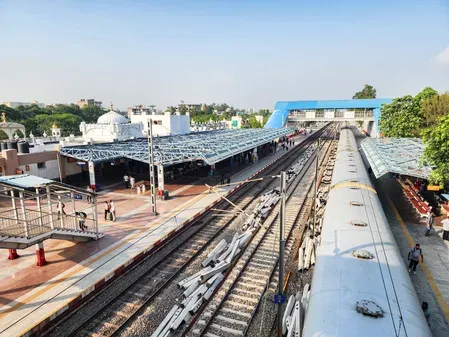
Indian Railways has emerged as the primary target of Inter-Services Intelligence (ISI)-backed elements in recent months, with intelligence agencies warning of a concerted plan to strike rail infrastructure ahead of Independence Day, according to an intelligence report. Security has been placed on high alert across Delhi and surrounding areas as threat assessments flag an elevated risk of attacks on railway stations.
Key Developments
An Intelligence Bureau (IB) official confirmed that the ISI has significantly shifted its espionage focus — the volume of intelligence being gathered on the Indian railway network now reportedly exceeds that being sought on military installations. While surveillance of the armed forces is described as a long-term informational strategy, the intent behind railway intelligence gathering is assessed to be more immediately operational, aimed at enabling terror strikes.
According to officials, the ISI's surveillance of the railway sector has reportedly increased ten-fold over the past year, with a parallel ramp-up in recruitment of ground-level operatives.
The ISI's Alleged Playbook
Security officials say the ISI is pursuing a mixed strategy when it comes to railways. In one strand, recruits are tasked with gathering operational intelligence to enable a physical strike. In another, the agency is reportedly attempting psychological warfare — using hoax calls and false alarms to trigger panic and stampedes at crowded stations, without needing to carry out an actual attack.
'While in many cases, the idea is to gather information so that a strike can be carried out, the ISI is also attempting to play mind games. It is not necessary that the ISI-backed terrorists need to strike this sector all the time. Even a hoax alarm when it comes to the Indian railways is sufficient to create panic in the minds of the people,' an official said.
A second official warned that hoax calls at crowded stations could trigger stampedes resulting in loss of lives. Officials added that some individuals have reportedly been recruited specifically to make such hoax calls.
Surveillance Infrastructure and Recruitment
Investigations have revealed a structured, phased operation. In the first phase, recruits moved around railway stations, photographed key areas, and assessed security arrangements before passing information to handlers. Some of these recruits were reportedly willing to carry out assignments for as little as ₹3,000.
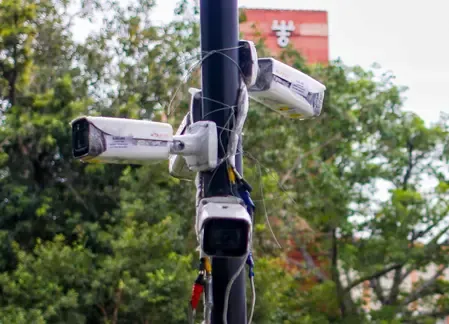
The ISI subsequently escalated its surveillance by allegedly instructing recruits to install solar-powered CCTV cameras at railway stations to obtain live feeds of station activity. Recruits involved in installing these cameras were reportedly paid between ₹5,000 and ₹10,000 per camera, according to investigation findings.
Multiple Terror Networks Activated
Officials say the ISI has not confined its railway targeting directives to Islamist outfits alone. The Babbar Khalsa International (BKI) has also allegedly been instructed to carry out attacks on railway stations, with its brief focused on Punjab and Haryana. Other outfits are reportedly focused on Delhi, Mumbai, and other major cities, indicating a broader, multi-network approach to targeting rail infrastructure.
Independence Day Window and Security Response
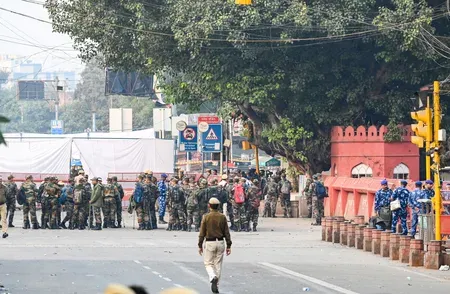
The Intelligence Bureau has issued a high alert, specifically warning that ISI-backed modules may attempt to exploit the Independence Day security window — when agencies are more concentrated on guarding official events in Delhi — to strike railway infrastructure. Security at major stations has been stepped up, though officials acknowledge the scale of the railway network makes comprehensive protection challenging.
With 15 August approaching, the coming days will test whether the heightened security posture is sufficient to deter or disrupt the alleged plots.
Point of View
Public, and impossible to fully sanitise. The hoax-call dimension is particularly insidious because it weaponises crowd psychology without requiring a single operative to detonate anything. What this report underscores, but mainstream coverage may underplay, is the low cost of this threat — recruits allegedly paid ₹3,000 to gather intelligence that could enable attacks causing hundreds of casualties. The asymmetry between the cost of disruption and the cost of prevention is the real security challenge India faces ahead of Independence Day.
NationPress
28 Sept 2026
Frequently Asked Questions
Why has the ISI reportedly shifted focus to Indian Railways?
According to intelligence officials, the ISI views the railway network as the lifeline of India and believes disrupting it will spread widespread panic among the public. Unlike military targets, which the ISI is pursuing for long-term informational advantage, the railway focus is assessed to be aimed at immediate terror strikes and psychological disruption.
What is the hoax-call threat to Indian Railways?
Officials say the ISI has reportedly recruited individuals specifically to make hoax calls at crowded railway stations. Even without a physical attack, a false alarm at a busy station could trigger a stampede and result in loss of lives, officials warned.
Which terror groups are allegedly involved in targeting railways?
Beyond ISI-backed Islamist outfits, the Babbar Khalsa International (BKI) has also allegedly been directed to target railway stations. The BKI's brief reportedly covers Punjab and Haryana, while other groups are focused on Delhi, Mumbai, and major cities.
How did the ISI allegedly set up surveillance at railway stations?
Investigations revealed a phased operation in which recruits first photographed stations and assessed security arrangements, then were instructed to install solar-powered CCTV cameras to obtain live feeds. Recruits were reportedly paid between ₹5,000 and ₹10,000 per camera installed.
What security measures are in place ahead of Independence Day?
The Intelligence Bureau has issued a high alert, specifically warning that ISI-backed modules may try to exploit the Independence Day security window — when agencies are concentrated on guarding official events in Delhi — to strike railway infrastructure. Security at major stations has been stepped up in response.